
German metal detectorist uncovers 934-coin Roman hoard near Cologne
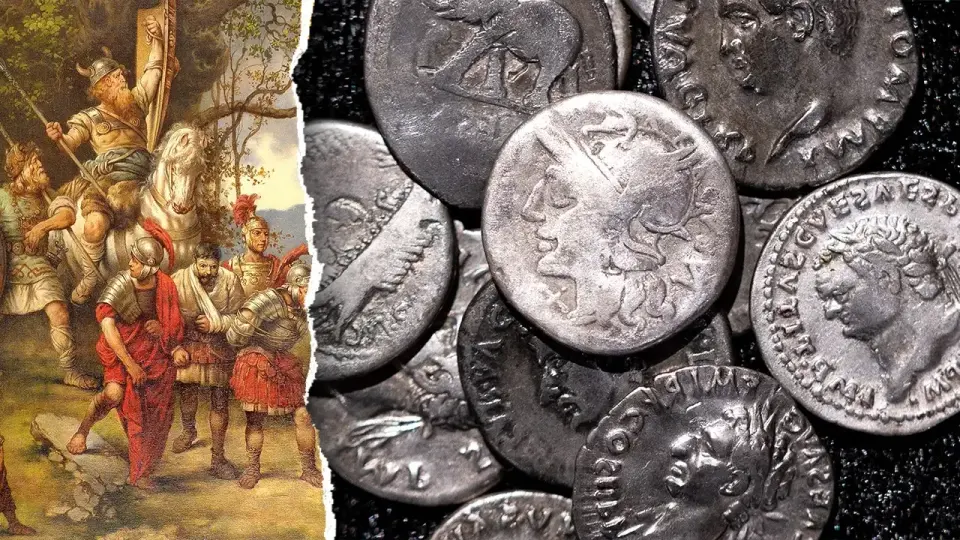
A licensed metal detectorist in Germany discovered a hoard of 934 ancient Roman silver coins near Wesseling, south of Cologne. The find, weighing 6.8 pounds, dates to the reign of Emperor Hadrian and is the largest such collection ever found in Germany. Experts believe the coins represented one person's life savings, potentially requiring years of a soldier's income to accumulate. The hoard is now on display at the LVR-LandesMuseum Bonn.
Key points
- Discovery of 934 Roman silver denarii near Wesseling, Germany, by licensed metal detectorist Oliver Riedl.
- Hoard dates to 125-150 AD, during the reign of Emperor Hadrian.
- Largest Roman coin hoard from Hadrian's era ever found in Germany.
- Coins weigh 6.8 pounds and are now exhibited at the LVR-LandesMuseum Bonn.
- Experts suggest the hoard represented one individual's life savings, possibly a soldier's retirement fund.
Background
This discovery follows a trend of significant Roman-era finds in Europe, including a large Viking Age hoard in Finland and medieval settlements in Germany. The location near Cologne and Bonn aligns with the historical Roman presence along the Rhine frontier, where military and civilian populations coexisted.
How outlets are covering it
Fox News and the Associated Press emphasize the scale and historical significance of the hoard, highlighting its weight and the potential connection to a Roman soldier's savings. Johannes Wienand, a historian not involved in the discovery, stresses the importance of responsible metal detecting and the orderly reporting of archaeological finds. The LVR Office for the Preservation of Archaeological Monuments in the Rhineland provides the dating and context of the hoard, linking it to the Hadrian era. There is no disagreement among sources, but Fox News adds a narrative focus on the 'life savings' aspect, while the AP and LVR focus on the archaeological and historical context.
Why it matters
The discovery provides a tangible link to daily life in the Roman Empire, offering insights into economic practices and personal wealth accumulation. It also underscores the importance of responsible metal detecting and the role of amateur archaeologists in uncovering significant historical artifacts.
What to watch
The hoard will remain on display at the LVR-LandesMuseum Bonn, where it will be studied and exhibited for public viewing. Further research may reveal more about the owner and the specific circumstances of the burial.
- Mysterious find beneath field leads man to massive treasure hidden for centuries Fox News
- His Metal Detector Went Wild—Then He Found 934 Ancient Silver Coins and an Unsolvable Mystery Yahoo
- Archaeologists Reconstruct a 2,000-Year-Old Celtic Coin Hoard Scattered by Centuries of Plowing Discover Magazine
- Nearly 2,000-year-old coin hoard may have been someone's life savings, expert says Yahoo
Want the full story? Read the original reporting
Read on Fox News