
Investigation Links Global Seafood Boom to Forced Labor and Ocean Depletion
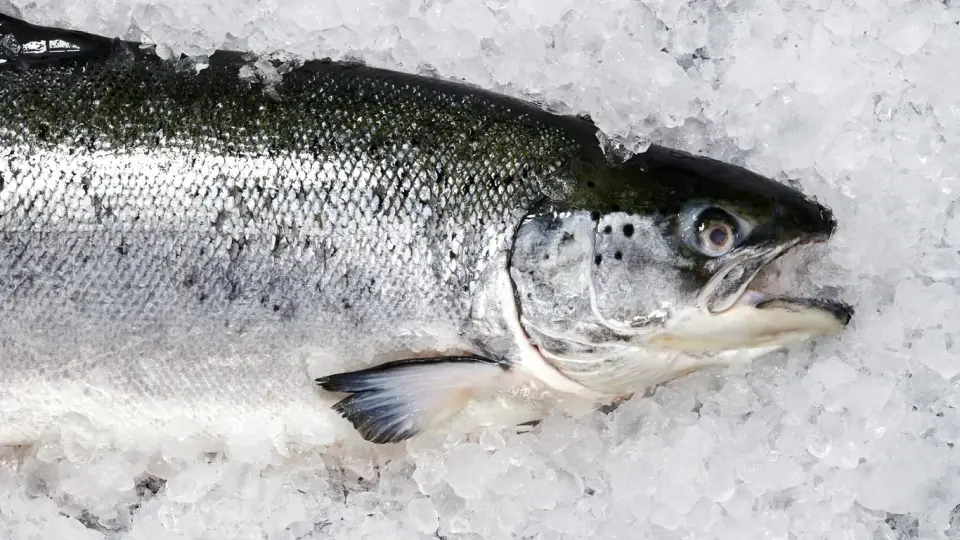
A five-year investigation by The Outlaw Ocean Project reveals that the global rise in aquaculture relies heavily on fishmeal, a feed made from wild-caught fish. This practice drives overfishing, pollution, and forced labor in developing nations, contradicting claims that fish farming reduces pressure on oceans.
Key points
- The Outlaw Ocean Project’s five-year investigation, involving over 70 reporters, mapped more than 1,400 fishmeal factories across 64 countries and 2,400 ships in 30 nations.
- Over half of global seafood consumption now comes from farms, but these farms rely on fishmeal made from wild fish, meaning some farmed salmon consume more than six times their weight in wild-caught fish.
- The investigation found that at least half of the species targeted for fishmeal are classified as 'overexploited' or worse, with 165 vessels using destructive bottom trawling methods.
- In China’s Xinjiang and Tibet regions, over 1,000 fish farms produce seafood worth half a billion dollars annually, with evidence of forced labor reaching U.S. retailers like Walmart and Sysco.
- In India and Peru, the industry has triggered at least 80 protests and civil unrest due to pollution and stench from fishmeal processing plants, including illegal wastewater dumping in Goa.
- The industry claims to be reducing fishmeal reliance, but five major salmon companies increased their absolute use of fishmeal and fish oil by up to 39% between 2020 and 2024.
Background
This story follows earlier discussions on the nutritional benefits of fatty fish for brain health, highlighting the disconnect between consumer health advice and the environmental and ethical costs of producing that food. It also aligns with broader trends in corporate accountability, where supply chain transparency is increasingly scrutinized, similar to recent staff revolts in publishing over undisclosed AI use.
How outlets are covering it
Axios emphasizes the investigative scope and the call for government accountability in advanced economies. CBC focuses on the specific impact on Canadian consumers, noting that two-thirds of fishmeal used in Canada is imported, linking local salmon to global abuses. The Los Angeles Times highlights the contradiction between aquaculture’s sustainability claims and the reality of overfishing, noting that while the industry claims to reduce fishmeal use, absolute consumption has risen. All sources agree on the severity of the issues but differ in emphasis: Axios on policy, CBC on consumer connection, and the LA Times on the failure of sustainability narratives.
Why it matters
The investigation exposes that the shift to aquaculture, often touted as a solution to ocean depletion, actually accelerates it by diverting wild fish into feed. This has significant implications for global food security, environmental sustainability, and labor rights, particularly in developing nations where the costs are borne. It also raises questions about the transparency and ethics of major food retailers and the effectiveness of current certification programs.
What to watch
The Outlaw Ocean Project has launched a 'Bait to Plate' tool to help journalists and consumers trace seafood supply chains. The industry is expected to face increased pressure to improve transparency and reduce reliance on fishmeal, though alternatives like algae and insects are not yet scalable. Legal actions, including false advertising lawsuits, may continue to hold companies accountable for misleading sustainability claims.
- 5-year probe by a journalistic nonprofit: "Dirty secret behind the farmed fish you eat" Axios
- How Steffen Skjottelvik's Journey Across Canada Came to a Tragic End The New York Times
- That ‘sustainable’ farmed salmon you plan on cooking tonight? It comes with a dangerous catch. The Boston Globe
- What is your seafood eating? Investigation traces problems in global feed supply CBC
- The hidden cost of farmed fish: Pollution, forced labor and the depletion of wild fish Los Angeles Times
Want the full story? Read the original reporting
Read on Axios