
Gaza’s Quiet Crisis: Daily Survival Amidst Blockade and Ruin
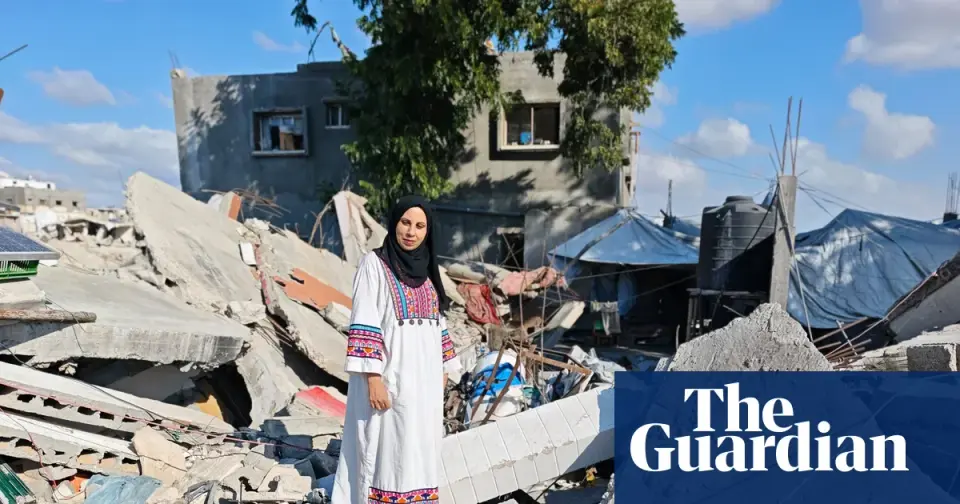
Despite a ceasefire, Gaza faces severe daily hardships including rationed gas, water scarcity, and food restrictions. While some civic life resumes, infrastructure remains destroyed, and internal violence rises due to stress and scarcity.
Key points
- Daily routines in Gaza are defined by extreme scarcity, such as rationed gas limiting cooking to 18 minutes per day and water trucks replacing running water.
- Israel controls approximately 70% of Gaza’s territory, squeezing two million people into the remaining 30%, with 81% of infrastructure damaged or destroyed.
- The blockade restricts 'dual-use' items, including peanut butter, which aid workers argue is a nutritional necessity, while allowing other goods like chocolate.
- Internal violence has surged, with incidents like fatal fights over water queues, reflecting the psychological toll of prolonged siege and starvation.
- Reconstruction is stalled due to a lack of construction materials and equipment, despite some signs of civic engagement like reopened restaurants and weddings.
Background
The ceasefire took effect in October 2025, but violence and restrictions have continued. Earlier reports noted over 1,300 deaths since the ceasefire began, and the broader war since October 2023 has killed 74,000 Palestinians. The Trump Administration supports Israeli policy, and a 'Board of Peace' oversees reconstruction, though its high representative recently criticized Israeli strikes.
How outlets are covering it
The Guardian emphasizes the mundane, daily struggles of individuals, such as making tea or finding fuel, to highlight the 'quiet tragedy' of life under siege. The New Yorker, through analyst Jaser AbuMousa, focuses on the broader structural failures, including the lack of construction materials, the restriction of nutritious foods like peanut butter, and the rise in internal violence. Both sources agree on the severity of the humanitarian crisis but differ in focus: The Guardian highlights individual resilience and daily routines, while The New Yorker stresses the geopolitical and systemic barriers to recovery and the psychological despair of the population.
Why it matters
The situation in Gaza illustrates the long-term humanitarian impact of conflict and blockade, where daily survival becomes a struggle against scarcity and destruction. The restrictions on basic goods and the lack of reconstruction materials highlight the ongoing suffering of civilians, even after a ceasefire, and the potential for increased internal violence due to stress and scarcity.
What to watch
The future of Gaza depends on the lifting of restrictions on essential goods and construction materials, the resumption of aid, and the potential for a more stable ceasefire. The 'Board of Peace' and international pressure may play a role in easing restrictions, but the current trajectory suggests continued hardship and potential for further internal conflict.
- We followed five people in Gaza from dawn to dusk – this is what the headlines don’t tell us The Guardian
- ‘You have nothing left but death,’ Gaza-based photojournalist says NewsNation
- ‘I’m afraid they’ll bomb the cafe where I work, or bomb me’: a day in the life of a 12-year-old boy in Gaza The Guardian
- Gaza: a week in the life of five ordinary Palestinians The Guardian
- What Life Is Actually Like in Gaza Today The New Yorker
Want the full story? Read the original reporting
Read on The Guardian