
Tanker Acers Struck in Gulf Near Qatar, Marking Rare Deep-Water Attack
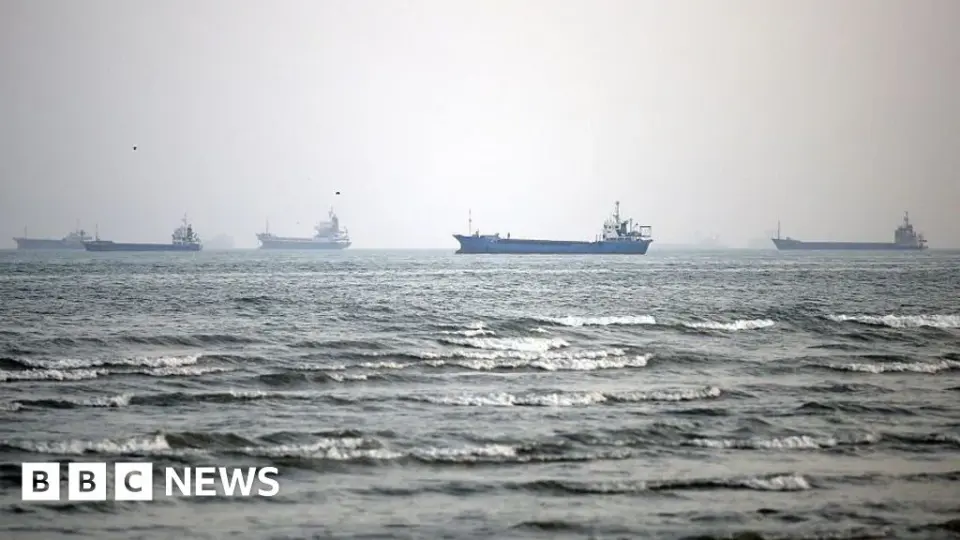
The UK Maritime Trade Operations (UKMTO) confirmed that the oil and chemical tanker Acers was hit by multiple projectiles 94 kilometers north of Madinat al-Shamal, Qatar. This incident, which resulted in reported casualties, represents a rare attack deep inside the Gulf, distinct from the usual threats near the Strait of Hormuz. While the US and Israel’s war with Iran began in February 2026, leading to 93 confirmed incidents and 24 seafarer deaths, this specific strike highlights the expanding geographic scope of maritime threats. Although a preliminary peace agreement collapsed in June, oil exports through the Strait of Hormuz have recently averaged 12 million barrels per day, reaching approximately 80% of pre-war levels despite ongoing US naval protection and Iranian restrictions on specific transit routes.
Key points
- The Antigua and Barbuda-flagged tanker Acers was struck by multiple projectiles 51 nautical miles north of Madinat al-Shamal, Qatar, with casualties reported by UKMTO.
- Maritime intelligence firm Vanguard identified the vessel, which was previously reported as sailing toward the Strait of Hormuz on Saturday.
- This is the first reported attack on a ship this far west of the Strait of Hormuz since September 9, according to Martin Kelly of EOS Risk Group.
- Since the start of the Iran war in February, 93 confirmed incidents have resulted in at least 24 seafarer deaths, per the International Maritime Organization.
- Crude exports through the Strait of Hormuz have averaged 12 million barrels per day over the past two weeks, representing about 80% of pre-war levels.
- A preliminary US-Iran agreement to end the war and reopen the strait collapsed in June after Iranian attacks resumed and the US reinstated its blockade.
Background
This incident occurs amid a broader pattern of maritime instability in the Gulf since the US and Israel began their war with Iran in February 2026. Previous coverage noted a surge in attacks reaching their highest weekly level in early October, coinciding with oil prices exceeding $100 per barrel. Earlier in September, three tankers were struck in the Strait of Hormuz, and in late September, the US launched 'tanker-for-tanker' strikes against Iranian targets to deter further attacks on commercial shipping. Despite these conflicts, oil flows have partially rebounded, supported by US military protection for tankers and increased pipeline usage, even as Iran maintains control over specific southern routes through Omani waters.
Why it matters
The attack on the Acers signals that maritime threats are expanding beyond the traditional chokepoints of the Strait of Hormuz into deeper Gulf waters, challenging the security perimeter established by US naval forces. While oil exports have recovered to 80% of pre-war levels, the geographic spread of attacks increases risks for global energy supply chains and complicates diplomatic efforts to stabilize the region. The incident underscores the fragility of the current ceasefire, which collapsed in June, and highlights the ongoing tension between Iranian control of transit routes and US efforts to maintain open shipping lanes.
What to watch
Analysts will monitor whether this attack triggers further Iranian retaliation or US military responses, potentially disrupting the current flow of 12 million barrels per day through the Strait of Hormuz. Diplomatic efforts to revive the collapsed June agreement may face new obstacles, while the US may adjust its naval protection strategies to cover the expanded threat zone near Qatar. Oil markets will likely react to the increased risk premium, potentially pushing prices higher if the security situation deteriorates further.
Want the full story? Read the original reporting
Read on BBC