
Kenya Confirms Second Ebola Case as Cross-Border Screening Gaps Draw Criticism
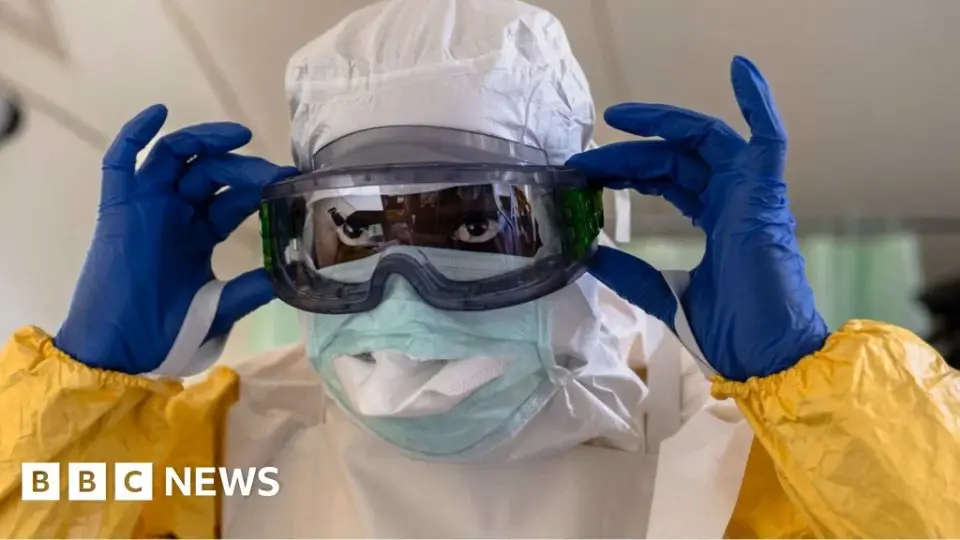
Kenya has confirmed a second Ebola case, a 39-year-old relative of the first victim, who fell ill while in quarantine. The new infection highlights ongoing concerns about cross-border transmission from the Democratic Republic of Congo (DRC), where the Bundibugyo strain has caused over 4,000 deaths this year. While health officials state there is no evidence of wider community spread, the case underscores failures in regional border screening and contact tracing.
Key points
- A 39-year-old man in Kenya has been confirmed as the second Ebola case, linked to the first victim who died on October 5.
- The new patient was already in quarantine when he developed symptoms, which health officials say improved his chances of recovery.
- The first case involved a Kenyan national who traveled from the DRC through Uganda to Nairobi without being detected by border screenings.
- The DRC outbreak, caused by the rare Bundibugyo strain, has resulted in 8,728 confirmed cases and 4,205 deaths as of October 6.
- Kenya’s health ministry has traced 113 of 128 contacts of the first case, with 108 currently in quarantine.
Background
Kenya’s first Ebola death was confirmed on October 5, 2026, involving a man who had lived in the DRC for seven years. Prior to this, the DRC outbreak had already been declared a public health emergency of international concern. Uganda had reported 20 cases and two deaths earlier in the year but was declared Ebola-free in August. The current outbreak is the second documented Bundibugyo virus disease outbreak in the DRC and the largest Ebola outbreak in the country’s history.
How outlets are covering it
BBC and Al Jazeera emphasize the link between the two Kenyan cases and the failure of border screening systems, noting that the first patient traveled through three countries undetected. Al Jazeera highlights Uganda’s denial of involvement, with officials stating they do not have Ebola. WHO provides detailed epidemiological data, noting that the DRC outbreak has expanded to 64 health zones across seven provinces, with a case fatality ratio of 48.2%. All sources agree that early detection in the second case was critical to preventing further spread, but they differ in focus: BBC and Al Jazeera highlight the cross-border transmission risks, while WHO focuses on the broader epidemiological situation and the lack of approved vaccines or treatments for the Bundibugyo strain.
Why it matters
The confirmation of a second case in Kenya raises concerns about the potential for wider regional spread of the Bundibugyo strain, which has no approved vaccine or treatment. The case highlights the limitations of current border screening measures and the importance of rapid contact tracing and quarantine in containing the virus. It also underscores the need for improved coordination between countries in the region to prevent further cross-border transmission.
What to watch
Kenya’s health ministry will continue to monitor the second patient’s progress and share updates. Contact tracing for the first case is ongoing, with 15 contacts still being traced. WHO is conducting a rapid risk assessment for Kenya and will report its findings. The DRC outbreak is expected to continue, with new cases being reported in multiple provinces. Health officials are urging the public to seek care promptly if they experience symptoms such as fever, fatigue, or bleeding.
- Kenya confirms second Ebola case as relative of country's first victim BBC
- Kenya’s health ministry confirms second Ebola case Al Jazeera
- Ebola disease caused by Bundibugyo virus - Democratic Republic of the Congo World Health Organization (WHO)
- Ebola outbreak spreads across borders as death rate nears 50% Yahoo
- Kenya reports second Ebola case, family member of first patient Reuters
Want the full story? Read the original reporting
Read on BBC