
Russian Officials Deny Plague Outbreak After Lab Worker Death, Citing 'Unknown' Pneumonia
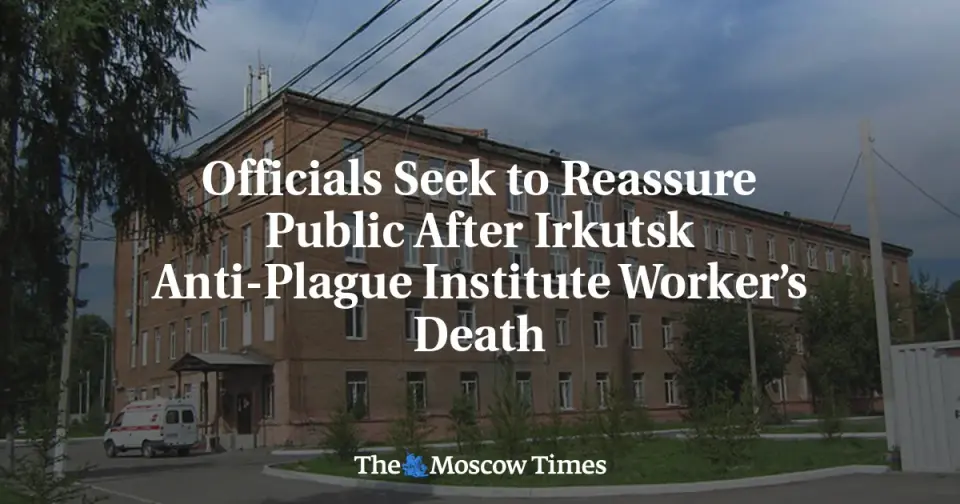
Russian authorities maintain that the death of a 28-year-old lab worker in Irkutsk was caused by 'pneumonia of unknown origin' rather than plague, despite initial reports of a lab accident. While nearly 200 contacts are under observation, official testing found no plague pathogens, leading international bodies to assess the public health risk as low.
Key points
- A 28-year-old female technician at the Irkutsk Anti-Plague Institute died on October 2 after being hospitalized for severe pneumonia.
- Rospotrebnadzor stated that lab tests found no microorganisms linked to her work, contradicting earlier reports of a broken test tube containing live bacteria.
- Nearly 200 close contacts are under medical observation; testing revealed only cases of COVID-19 and rhinovirus, with no other infectious diseases detected.
- The World Health Organization and U.S. officials are monitoring the situation but assess the risk to the general population as low.
- Regional officials in Buryatia initially suggested a plague death but later modified their statements to include the word 'possibly'.
Background
This incident follows earlier reports from October 3-5 regarding the death of a lab worker in Siberia, which triggered immediate quarantine measures and international scrutiny. Previous coverage highlighted accusations of a cover-up by independent media, while federal authorities consistently attributed the death to an unspecified pneumonia. The current update confirms that the quarantine measures remain in place but that no confirmed plague outbreak has been declared.
How outlets are covering it
The Moscow Times and CBS News report that Russian state media and Rospotrebnadzor are actively downplaying the incident, labeling it as 'pneumonia of unknown etiology' to reassure the public. In contrast, CNN and local media outlets emphasize the initial claims of a lab accident involving live bacteria, noting that regional leader Alexei Tsydenov initially confirmed a plague death before walking back the statement. While The Moscow Times notes that hospitals are operating on standard schedules aside from localized precautions, CNN highlights that the inpatient facility where the worker was treated remains under quarantine. International perspectives, including those from the WHO and U.S. Secretary of State Marco Rubio, agree that the risk is currently low but stress the need for transparency from Moscow, with Rubio noting that the situation is 'cause for focus' rather than alarm.
Why it matters
The incident highlights ongoing tensions between Russian health authorities and international observers regarding transparency in biosecurity incidents. While the immediate public health risk is assessed as low, the discrepancy between local reports of a lab accident and federal denials raises concerns about the reliability of official data in high-risk pathogen facilities. The situation also underscores the continued presence of Yersinia pestis in Siberian wildlife and the potential for human exposure in research settings.
What to watch
Rospotrebnadzor plans to discharge family members and close relatives from quarantine next week if no further cases emerge. The WHO is in contact with Russian authorities to verify laboratory results and circumstances. U.S. and European officials will continue to monitor the situation for any changes in the epidemiological status or new confirmed cases.
- Officials Claim Stable Health Situation in Irkutsk After Anti-Plague Institute Worker’s Death The Moscow Times
- Dozens quarantined after researcher at Russian plague laboratory dies of ‘unknown’ infection CNN
- What is pneumonic plague and how dangerous is it? KSL News
- Trump Says He Is Concerned About Russian Plague Lab Death Forbes
- Russia plays down plague fears and denies lab accident, says scientist died of "pneumonia of unknown origin" CBS News
Want the full story? Read the original reporting
Read on The Moscow Times