
Architectural clues reveal 80% of lost medieval Roebuck Castle survives inside Dublin university building
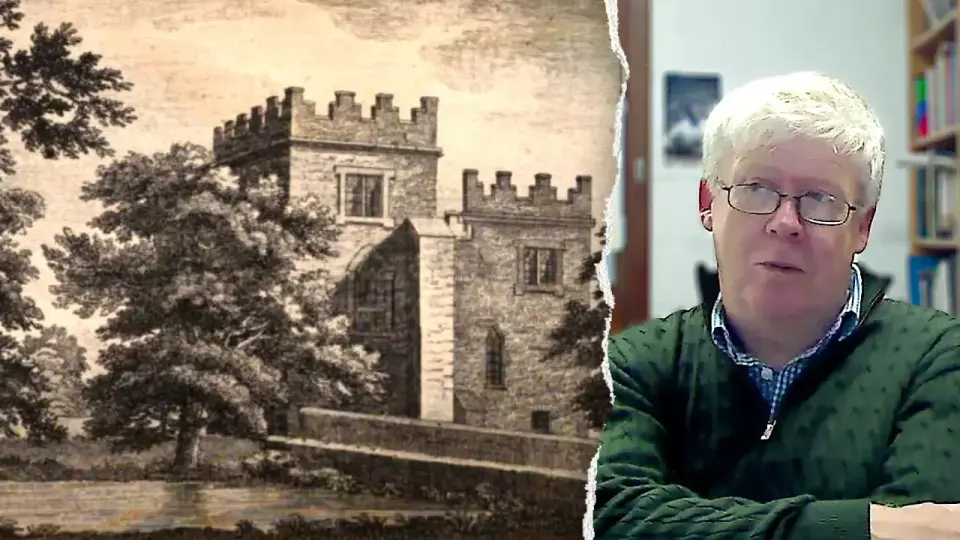
A medieval castle in Dublin, believed destroyed centuries ago, was found largely intact inside a Victorian-era building at University College Dublin. Professor Tadhg O'Keeffe identified the structure by analyzing 18th-century watercolors and recognizing architectural features like thick walls and splayed windows hidden beneath modern plaster. The discovery suggests that many other presumed-lost castles in Ireland may still survive within later buildings, challenging assumptions about historical preservation.
Key points
- University College Dublin announced on September 18, 2026, that medieval archaeology professor Tadhg O'Keeffe discovered substantial remains of Roebuck Castle within a Victorian-era building on its campus.
- O'Keeffe estimated that 70 to 80% of the original 13th-century castle survives beneath the building's Victorian plaster, identified through features like unusually thick walls, a stone vault, and splayed windows.
- The original castle, built after the Norman invasion of Ireland in the late 12th century, fell into ruin by the 18th century and was incorporated into a residence that underwent major alterations, including a Victorian makeover in 1874.
- UCD purchased the property in 1986, but the medieval structure had been preserved inadvertently due to practical renovation choices rather than historic preservation policies.
- O'Keeffe noted that the castle's owners are well-documented through the Middle Ages, including a figure equivalent to Ireland's chief justice and briefly King James II in the late 1600s, making its history unusually detailed for a Dublin-area castle.
Background
This discovery aligns with broader trends in archaeological findings where historical structures are rediscovered within modern contexts. For example, in August 2026, researchers identified a 14th-century skeleton at Stirling Castle as a potential first trebuchet casualty, highlighting how physical evidence can reshape historical understanding. Similarly, the Guernsey manuscript discovery in August 2026 revealed hidden medieval literary culture through repurposed parchment. These cases, like the Roebuck Castle find, underscore the importance of examining assumed-lost historical elements within existing structures or archives.
Why it matters
The discovery challenges the assumption that medieval structures in urban areas are necessarily destroyed or lost, suggesting that many presumed-gone castles in Ireland may still survive within later buildings. It highlights the value of architectural expertise in identifying hidden historical features and could prompt further investigations into other sites. The finding also emphasizes the accidental preservation of history through practical renovation choices, offering a new lens for understanding how historical structures endure.
What to watch
O'Keeffe's discovery may lead to further investigations of other presumed-lost castles in Ireland, as he suggested that many could still survive within later buildings. UCD may consider additional research or preservation efforts for the Roebuck Castle remains, though no immediate plans were announced. The finding could also influence how historians and archaeologists approach the study of urban medieval structures, encouraging closer examination of existing buildings for hidden historical features.
Want the full story? Read the original reporting
Read on Fox News