
Archival records cast doubt on Hitler's alibi for niece's 1931 death
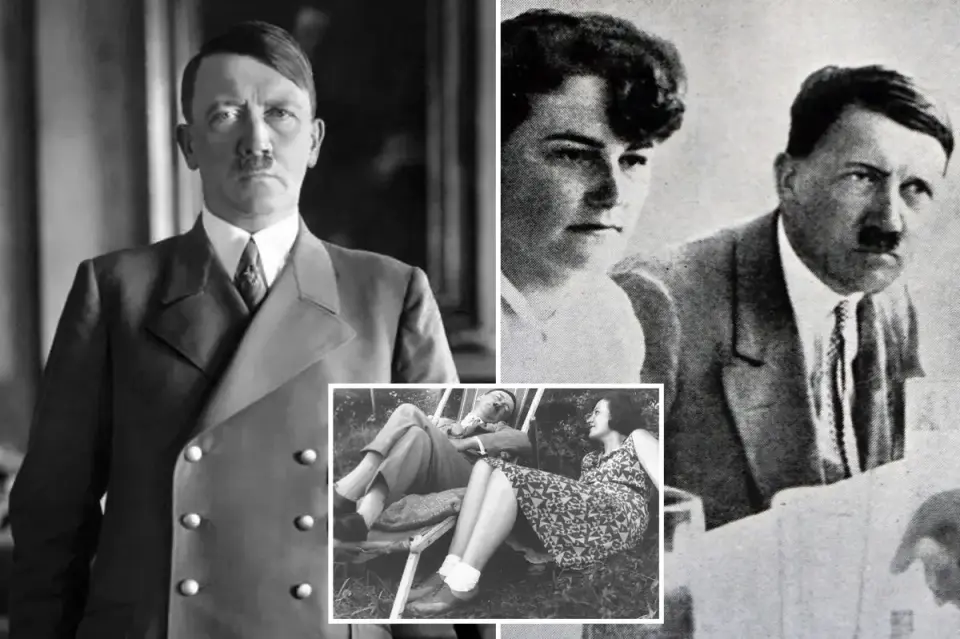
Newly discovered documents suggest Adolf Hitler may have been in Munich when his niece Geli Raubal died in 1931, contradicting his official alibi. Historian Harald Sandner argues the body was found a day earlier than recorded, implying Hitler had the opportunity to commit the act. While some experts dismiss this as a clerical error, others suspect a cover-up by Nazi sympathizers in the police.
Key points
- Historian Harald Sandner claims official records show Geli Raubal's body was discovered on September 18, 1931, not September 19, as previously believed.
- This date discrepancy places Adolf Hitler in Munich at the time of discovery, undermining his alibi that he was in Nuremberg.
- Raubal died from a gunshot wound from Hitler's pistol, an event officially ruled a suicide.
- Sandner suggests Nazi sympathizers within the Munich police may have falsified records to protect Hitler.
- The discovery of the body was reportedly delayed, with the official account stating it was found by Hitler's servant Georg Winter.
Background
This story revisits the 1931 death of Geli Raubal, Hitler's half-niece, which has long been shrouded in speculation regarding their relationship and the circumstances of her death. While not directly related to recent high-profile murder trials in the US or Germany, it adds to a broader pattern of historical re-examinations of violent crimes and cover-ups, similar to the recent DNA-solved Koblenz murder case.
How outlets are covering it
The New York Post and CBS News report on the findings of historian Harald Sandner, who cites archival documents from Munich that contradict the official timeline of Geli Raubal's death. Sandner argues the body was found on September 18, 1931, when Hitler was in Munich, rather than September 19, when he was in Nuremberg. CBS News notes that Der Spiegel reported Sandner's findings and that some contemporaries believed Hitler had abused or pursued a sexual relationship with Raubal. The Telegraph, however, could not be accessed due to a security block, but its coverage is referenced by the other outlets. Guy Walters, a historian cited by the New York Post, disputes Sandner's theory, suggesting the date discrepancy is a simple transcription error and doubting the existence of a sexual relationship between Hitler and Raubal. Heike B. Görtemaker agrees with Walters, also attributing the discrepancy to a clerical mistake.
Why it matters
This new evidence challenges the long-standing official narrative of Geli Raubal's death and potentially implicates Adolf Hitler in a direct act of violence before his rise to power. It raises questions about the integrity of historical records and the potential for cover-ups by Nazi sympathizers in the early 1930s. The story also highlights the ongoing scrutiny of Hitler's personal relationships and their impact on his political career.
What to watch
Historians may continue to investigate the archival documents cited by Sandner to verify their authenticity and context. Further research into the relationship between Hitler and Raubal, as well as the actions of Nazi sympathizers in the Munich police, could provide more clarity on the circumstances of her death. The debate between Sandner and other historians like Walters and Görtemaker may continue, with new evidence potentially emerging from other archives.
- Hitler’s niece — rumored to be having affair with dictator — may be the only person he killed with own hands: new evidence New York Post
- Hitler's possible role in niece's death under scrutiny after documents raise questions about alibi, report says CBS News
- Hitler may have murdered his niece, new evidence suggests The Telegraph
- Hitler ‘lied’ about alibi as new clues expose niece's time of death and 'cover up' dailystar.co.uk
- Did Hitler kill his niece? The evidence examined The Times
Want the full story? Read the original reporting
Read on New York Post