
New Munich Archive Documents Cast Doubt on Hitler's Alibi in 1931 Niece's Death
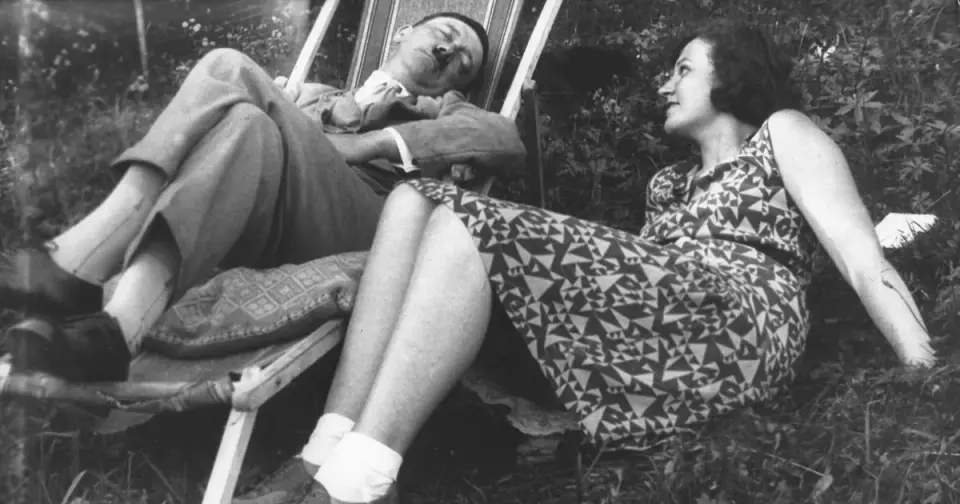
Harald Sandner, a historian, discovered documents in a Munich archive that contradict the official timeline of Geli Raubal's 1931 death. These records suggest Adolf Hitler may have been present in Munich when his niece died, challenging his previously accepted alibi that he was in Nuremberg. The findings raise questions about potential police cover-ups by Nazi sympathizers.
Key points
- Historian Harald Sandner found documents in Munich archives indicating Geli Raubal's body was discovered on Sept. 18, 1931, not Sept. 19 as officially recorded.
- The official account stated Hitler was in Nuremberg on Sept. 19, providing an alibi, but the new documents place him in Munich on the earlier date.
- Raubal died from a gunshot wound from Hitler's pistol, officially ruled a suicide, but contemporaries speculated about his involvement.
- Sandner suggests the discrepancy may indicate a cover-up by Nazi-sympathizing police, though he notes there is no decisive proof.
- Left-wing newspapers at the time reported Hitler had argued with Raubal and that injuries were found on her body.
Background
This story revisits the long-standing speculation surrounding the 1931 death of Geli Raubal, Adolf Hitler's half-niece, which was officially ruled a suicide. Prior to this new archival discovery, the official narrative held that Hitler was in Nuremberg when Raubal was found dead in his Munich apartment. The recent findings by historian Harald Sandner, reported by Der Spiegel, challenge this timeline by suggesting the death occurred a day earlier, when Hitler was known to be in Munich. This adds to historical debates about Hitler's controlling relationship with Raubal and the potential for early Nazi sympathizers to influence official records to protect him.
Why it matters
The discovery of conflicting archival documents could reshape historical understanding of Adolf Hitler's early personal conduct and the extent to which Nazi sympathizers manipulated official records to shield him from scrutiny. It highlights how historical narratives can be revised by newly uncovered primary sources, even for well-documented events.
What to watch
Historians and journalists may further investigate the Munich archives for additional documents related to Raubal's death or Hitler's movements in 1931. The findings could prompt renewed academic debate about the reliability of early Nazi-era official records and the role of police cover-ups in protecting Hitler's image before he seized power.
- Hitler's possible role in niece's death under scrutiny after documents raise questions about alibi, report says CBS News
- Hitler may have murdered his niece, new evidence suggests The Telegraph
- Did Hitler kill his niece? New documents challenge alibi in Geli Raubal’s mysterious death Ynetnews
- Hitler ‘lied’ about alibi as new clues expose niece's time of death and 'cover up' Daily Star
- Did Hitler kill his niece? The evidence examined The Times
Want the full story? Read the original reporting
Read on CBS News