
Four Years After Amini’s Death, Iran Faces Renewed Crackdowns and Amnesty Accountability Demands
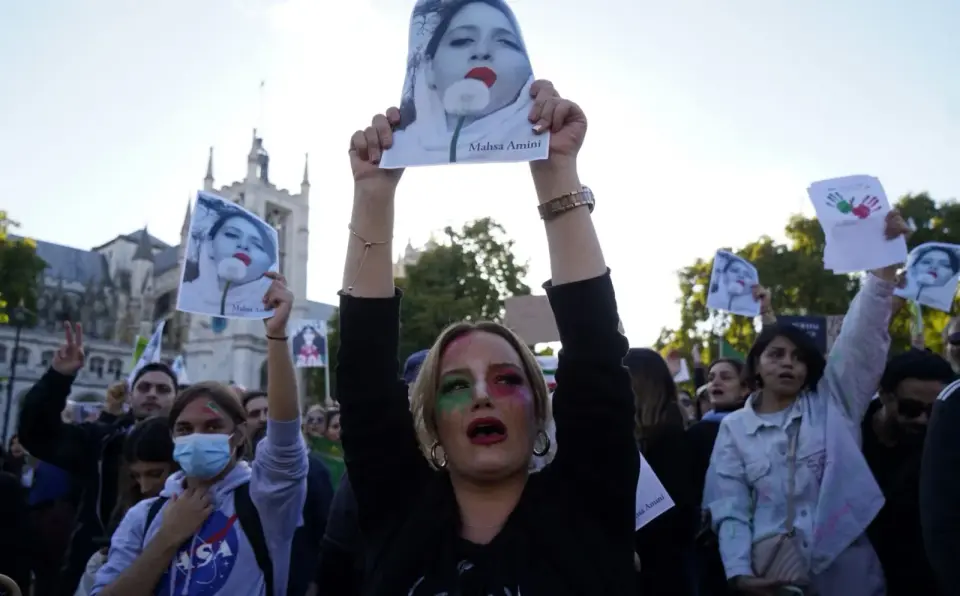
Marking the fourth anniversary of Mahsa Amini’s death, Iran sees renewed enforcement of hijab laws and arrests in Isfahan, Rasht, and Mashhad. While cultural shifts have reduced public enforcement in some areas, authorities maintain strict controls. Amnesty International released a report naming 87 officials for crimes against humanity during the 2022 protests, citing coordinated torture and sexual abuse. President Pezeshkian has suspended a harsh hijab bill due to unrest, but security forces continue to target women in public spaces.
Key points
- Mahsa Amini, a 22-year-old Kurdish woman, died in custody in September 2022 after being detained by morality police for minor hijab violations, sparking nationwide protests.
- The 'Woman, Life, Freedom' movement led to significant cultural shifts, with many Iranian women now choosing not to wear hijabs in public, despite ongoing risks.
- Amnesty International’s new report names 87 officials, including late Supreme Leader Ali Khamenei and IRGC commander Ahmad Vahidi, for crimes against humanity during the 2022 crackdown.
- Recent arrests of women for hijab violations have occurred in Isfahan, Rasht, and Mashhad, while businesses in Saqqez closed to mark the anniversary.
- President Masoud Pezeshkian suspended a harsh 2023 hijab bill, citing public rejection and potential unrest, though authorities continue targeted enforcement.
Background
The 2022 protests, triggered by Amini’s death, resulted in at least 550 deaths according to the UN, including 68 children and 49 women. The movement significantly altered social norms regarding dress, though the state has maintained mandatory hijab laws since 1979. Previous coverage noted ongoing torture and executions of protesters, such as the Rahimi twins, highlighting the continued severity of the crackdown on dissent.
How outlets are covering it
Al Jazeera emphasizes the cultural shift and personal testimonies of women who no longer wear hijabs, noting reduced social stigma but persistent legal risks. The Guardian focuses on the systemic nature of the 2022 crackdown, highlighting leaked state documents that ordered 'merciless' responses and detailed cases of sexual abuse. Both sources agree on the severity of the state’s response but differ in emphasis: Al Jazeera highlights societal change, while The Guardian underscores the coordinated command structure behind the violence. Amnesty International’s report, cited by both, provides a unified view of the state’s accountability, naming specific officials for crimes against humanity.
Why it matters
The anniversary highlights the ongoing tension between state control and societal change in Iran. The suspension of the harsh hijab bill suggests a pragmatic approach by the government to avoid further unrest, but continued arrests indicate a willingness to enforce laws selectively. The Amnesty report’s naming of high-level officials, including those killed in recent conflicts, underscores the deep-seated nature of the state’s repression and the international community’s focus on accountability for past atrocities.
What to watch
Authorities may continue targeted enforcement of hijab laws in public spaces, particularly in cities like Isfahan and Rasht. The suspended harsh bill could be revisited if political conditions change. International pressure for accountability against the named officials may persist, though enforcement remains challenging given Iran’s current state of war and internal instability.
- Mahsa Amini death four years on: Iranians reflect on ‘Woman, Life, Freedom’ Al Jazeera
- Demand International Justice for Crimes Against Humanity in Iran Amnesty International
- Iranian security forces coordinated killing, torture and sexual abuse of protesters, says Amnesty theguardian.com
- UN says Iran crackdown amounted to crimes against humanity Iran International
- “Architects of Atrocities”: Amnesty Says Iran Committed Crimes Against Humanity in 2022 Crackdown Democracy Now!
Want the full story? Read the original reporting
Read on Al Jazeera