
Iran Sentences 10 Protesters to Death in Isfahan as Death Row Cases Surge
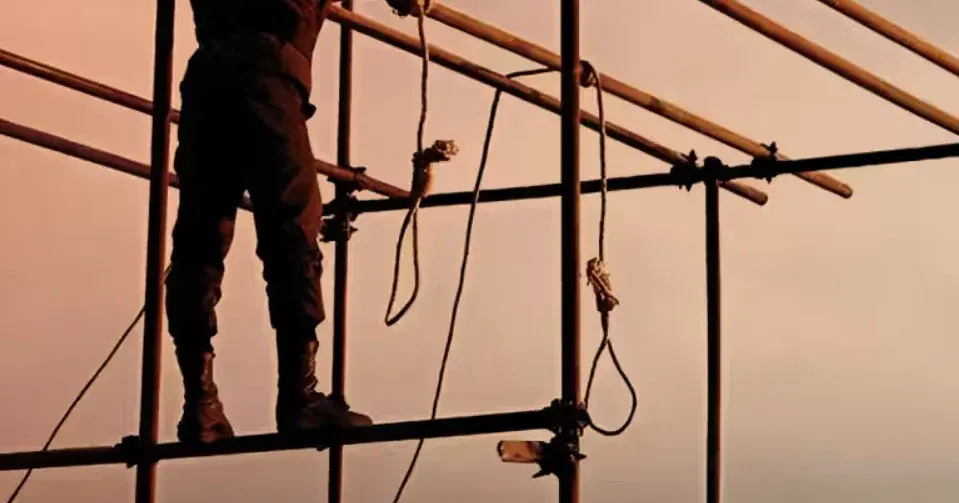
A Revolutionary Court in Isfahan has sentenced 10 protesters to death and six others to prison terms of up to 25 years for their roles in the January 2026 demonstrations. The verdicts, part of a broader crackdown, include the case of Leila Abolhasani, a mother sentenced to death for allegedly setting fire to a supermarket, a charge her family disputes. International observers and exiled figures have condemned the rulings as unjust, citing allegations of torture and denied legal representation.
Key points
- Branch 1 of the Isfahan Revolutionary Court sentenced 10 individuals to death and six to prison terms ranging from five to 25 years, according to activist channel Khabaraneha.
- The defendants, including Taraneh Rahimi and Navid Elyasi, were charged with 'assembly and collusion,' 'incitement,' and 'propaganda against the establishment' related to the January 2026 protests.
- Leila Abolhasani, a 43-year-old mother, was sentenced to death for 'enmity against God' after being accused of arson at a supermarket, though her family claims she was only filming the fire.
- The verdicts follow a wave of executions in Isfahan, including five public hangings at Alikhani Square since July, and have drawn condemnation from exiled Prince Reza Pahlavi and UN officials.
- Allegations of torture, sexual violence against female detainees, and restricted access to legal representation have been reported by multiple sources, including the Pahlavi communications office and IranWire.
Background
The sentencing follows a series of executions in Isfahan linked to the January 2026 protests, including public hangings at Alikhani Square in July. The broader crackdown has resulted in hundreds of reported executions in Iran this year, with UN officials noting a significant increase in death sentences for national security charges. The case of Leila Abolhasani highlights the use of the 'moharebeh' charge, which carries the death penalty, in cases where evidence remains undisclosed.
How outlets are covering it
Iran International and Khabaraneha emphasize the scale of the death sentences and allegations of torture, while The Jerusalem Post and The Times of India focus on the specific case of Leila Abolhasani, highlighting the lack of public evidence for her conviction. IranWire provides a broader context of women facing death sentences, noting a shift in the judiciary's approach since the 'Woman, Life, Freedom' protests. Exiled Prince Reza Pahlavi's office condemns the verdicts as 'brutal and unjust,' while UN officials express concern over the increase in executions and death sentences.
Why it matters
The sentencing underscores the intensifying crackdown on dissent in Iran, with the use of the death penalty for protest-related charges raising international concerns about human rights and due process. The case of Leila Abolhasani, a mother sentenced to death for allegedly setting fire to a supermarket, highlights the severity of the regime's response to the January 2026 protests and the lack of transparency in judicial proceedings.
What to watch
Leila Abolhasani's case is now before Iran's Supreme Court, where her appeal will be reviewed. The international community is expected to continue monitoring the situation, with calls for accountability and an end to the use of the death penalty for protest-related charges. The broader crackdown may see further executions and death sentences, particularly as the regime seeks to suppress dissent and maintain control.
- Iran court sentences 10 protesters to death in Isfahan Iran International
- Iranian mother of two sentenced to death over January protest accusations The Jerusalem Post
- Iranian mother to be executed after arrest at January protests NewsNation
- Women on Death Row in Iran: Single Mothers, Activists and Fitness Trainers IranWire
- Iranian woman sentenced to death for filming burning store during January protests The Times of India
Want the full story? Read the original reporting
Read on Iran International