
Declassified Docs Reveal Spain Warned of Ceuta Crossing Before July Surge
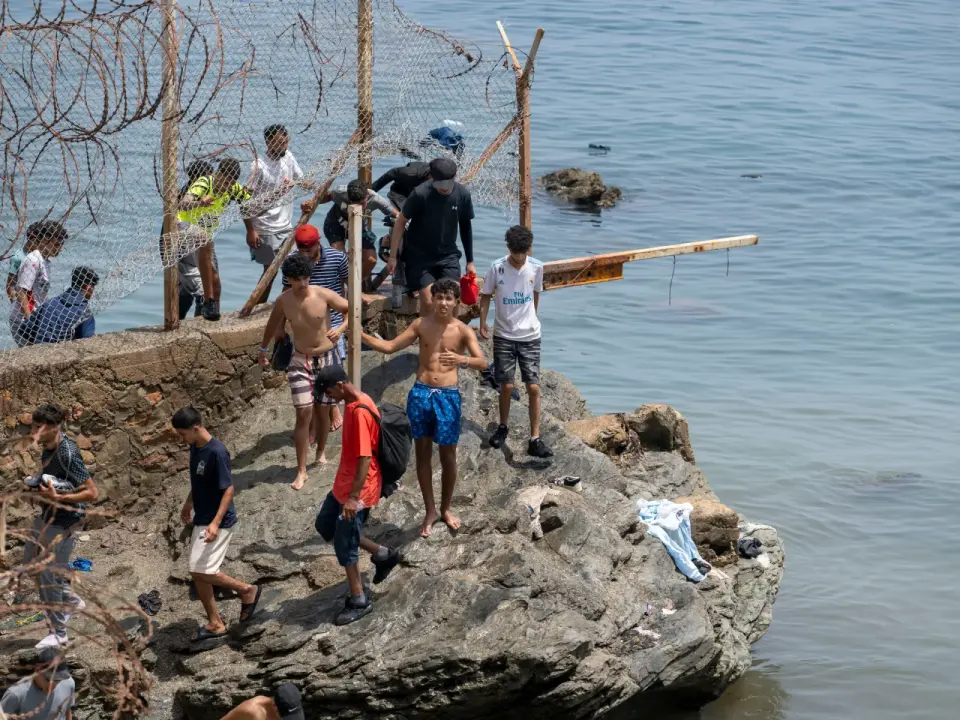
Declassified documents reveal Spain’s intelligence agency warned of a planned mass crossing into Ceuta a day before the July surge, contradicting the government’s claim that the crisis was unpredictable. While Madrid argues the warnings did not predict the scale of the event, opposition parties accuse the government of negligence and misleading the public. The release of these files intensifies political pressure on Prime Minister Pedro Sanchez amid ongoing unrest in the enclave.
Key points
- Spain’s National Intelligence Center (CNI) sent alerts on July 29, 2026, warning of social media calls for a mass crossing into Ceuta the next day.
- The CNI notified both Spanish authorities in Ceuta and Moroccan intelligence agencies (DGST and DGED) of plans to breach the border fence or swim around it.
- Prime Minister Pedro Sanchez maintains that while the campaign was monitored, it did not indicate the scale or probability of the subsequent crisis.
- Opposition leaders, including Ester Munoz of the Popular Party, accuse the government of failing to act despite having prior knowledge, calling it a direct responsibility for the 'invasion' of Ceuta.
- Approximately 5,000 to 10,000 migrants remain in Ceuta, with Madrid pledging $357m in aid to address the humanitarian situation.
Background
This development follows the July 2026 crisis where over 72,000 people crossed from Morocco into Ceuta, resulting in at least 100 deaths according to local officials. Previous archive coverage noted initial reports of 34 deaths and subsequent mass protests in Spain against the government's border policies. The current declassification of 40 documents occurs amid near-daily protests in Ceuta and broader political instability in Spain.
How outlets are covering it
Al Jazeera and BBC both report on the declassified documents but frame the government's defense differently. Al Jazeera highlights Sanchez’s written statement on X arguing that the social media campaign was 'known to other institutions' but did not constitute an indicator of the crisis's scale. BBC emphasizes the contradiction between Sanchez’s earlier parliamentary claims that there was 'no information that conveyed the magnitude' of the crisis and the new evidence. Both sources note the opposition’s accusation that the government misled the public, but Al Jazeera provides more detail on the specific content of the CNI’s WhatsApp alerts, including the reference to 180,000 followers in social media groups.
Why it matters
The release of these documents challenges the narrative that the Ceuta crisis was an unforeseeable event, potentially impacting Spain’s domestic political stability and its diplomatic relations with Morocco. It raises questions about the effectiveness of intelligence sharing between Spain and Morocco and the government’s preparedness for border crises. The ongoing presence of thousands of migrants in Ceuta continues to strain local resources and exacerbate social tensions, with reports of violence and sexual assaults in the enclave.
What to watch
The Spanish government faces continued pressure from opposition parties and public protests to account for its handling of the crisis. Further legal or parliamentary inquiries may follow the declassification of the 40 documents. The situation in Ceuta remains volatile, with local officials citing higher figures for the number of remaining migrants than the government does, and ongoing concerns over safety and humanitarian aid.
- Spain’s spy agency warned of mass crossings into Ceuta before border crisis Al Jazeera
- Spanish intelligence warned of Ceuta mass crossing plans before surge BBC
- Spain Declassifies Warning to Morocco About Migrant Crossing Plans The New York Times
- Spain's spy agency warned of plans to storm Ceuta before mass migrant crossing, documents show Reuters
- Ceuta: Documents show Spanish intelligence warned of crisis DW.com
Want the full story? Read the original reporting
Read on Al Jazeera