
Solomon Task Force Pivots to Releasing Records on Trump’s Past Investigations
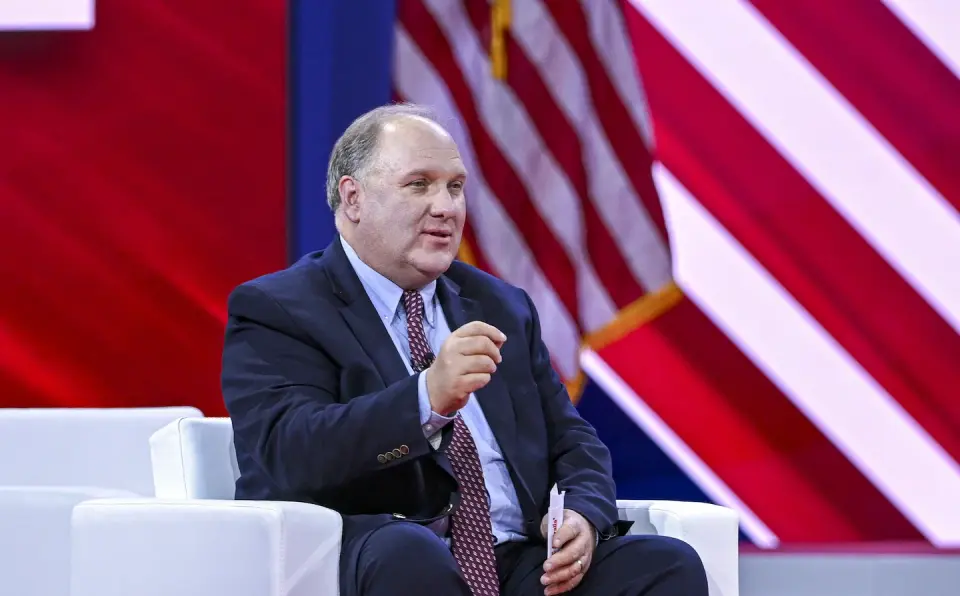
The White House task force led by John Solomon, originally tasked with uncovering election fraud, has shifted focus to releasing declassified records from past investigations into President Trump. These releases, including files from the Mueller and Smith probes, are being used to build a public case against officials who investigated him, while the related Florida grand conspiracy probe faces internal turmoil and no indictments.
Key points
- The task force has released 113 documents totaling 832 pages in 14 batches, focusing on records from the 2016 Russia investigation and the 2023 classified documents probe.
- Releases include details of the FBI’s pen register surveillance of White House chief of staff Susie Wiles and notes from the 2017 interview of Michael Flynn.
- The Florida-based grand conspiracy investigation, which seeks to indict officials who investigated Trump, has suffered high-profile resignations, including prosecutor Joseph diGenova, and has produced no indictments.
- Legal experts argue the released records show standard court-authorized procedures, while administration officials claim they evidence a long-running conspiracy against Trump.
- Solomon, who lacks a security clearance, expects to conclude the task force’s work in late fall after negotiating additional releases with government agencies.
Background
This development follows earlier Trump administration initiatives focused on fraud, such as the Vance-led task force that canceled hundreds of thousands of ACA plans in September 2026, and the October 2026 appointment of Jay Clayton to lead a new AI-focused task force. The current task force addresses long-standing complaints from Trump allies that the intelligence community concealed materials related to investigations involving the president.
Why it matters
The task force’s pivot highlights the administration’s strategy to use declassified records to shape public opinion against political opponents, bypassing traditional bureaucratic channels. It underscores the ongoing tension between the White House and the Justice Department over the prosecution of past officials, as the Florida probe struggles to secure indictments amid personnel changes and legal challenges regarding statutes of limitations.
What to watch
Solomon is negotiating a dozen more document releases with government agencies and expects the task force to wrap up its work in late fall. The Florida grand conspiracy investigation continues to face hurdles in building evidence for indictments, with prosecutors frustrated by delays in accessing intelligence files.
Want the full story? Read the original reporting
Read on The Washington Post