
Six Months After Launch, Trump’s Iran War Stalls in a Strategic Deadlock
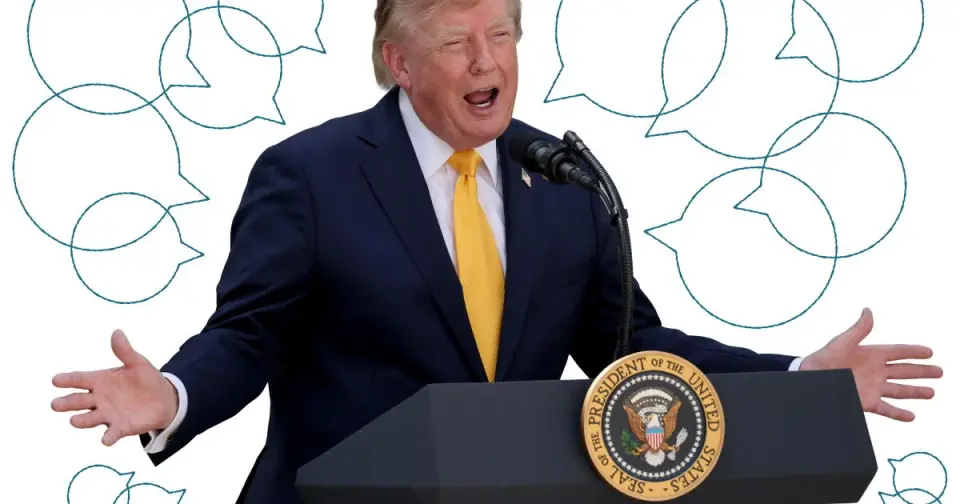
Six months after the US and Israel launched Operation Epic Fury on February 28, 2026, the conflict remains unresolved. While the US claimed initial military dominance, Iran’s regime survived the assassination of its leadership and leveraged the Strait of Hormuz to force a stalemate. The war has shifted from kinetic strikes to economic pressure and naval blockades, with no clear path to a final agreement.
Key points
- The conflict began on Feb. 28, 2026, with US and Israeli airstrikes that killed Supreme Leader Ayatollah Ali Khamenei and targeted 24 of Iran’s 32 provinces.
- As of the six-month mark, at least 18 US service members have been killed and 758 wounded, while Iran reports 3,636 deaths, Lebanon over 4,300, and Israel 72 military deaths.
- Trump signed a 14-point Memorandum of Understanding in June for a 60-day ceasefire, but the deal collapsed as strikes resumed, leading to a US naval blockade of Iranian ports.
- Iran has retained leverage by closing the Strait of Hormuz, disrupting global oil supplies, while the US faces depleted weapons stocks and strained diplomatic relations with Gulf allies.
- Recent developments show a shift from military strikes to economic coercion, with Trump threatening 'Economic D-Day' sanctions while Iran maintains its position on nuclear enrichment and Hormuz control.
Background
The war emerged after a 12-day conflict in the previous summer and widespread anti-government protests in Iran in January 2026. Prior to the strikes, Iran appeared vulnerable due to currency collapse and suppressed dissent, but the conflict quickly evolved into a regional war involving Hezbollah in Lebanon and strikes on Gulf states hosting US troops.
How outlets are covering it
The Los Angeles Times emphasizes Trump’s contradictory public messaging, shifting from claims of imminent victory to threats of total destruction, while noting the lack of a clear political objective. The Boston Herald and Associated Press argue that the war has failed to achieve its primary goal of regime change, instead producing a 'hardened and radical' Iranian regime that has eroded US credibility among Gulf allies. The Washington Post highlights the strategic deadlock, noting that Iran’s use of cheap mines and drones has degraded US military capabilities, leaving Trump with few options. The Guardian focuses on the economic fallout, particularly the disruption of oil trade through the Strait of Hormuz, which has driven global price swings and strained international relations.
Why it matters
The stalemate threatens to destabilize global energy markets and undermine US security guarantees in the Middle East. As Gulf nations seek alternative defense pacts, such as Saudi Arabia’s new agreement with Pakistan and Turkey, the US risks losing its regional influence. Additionally, the war has damaged US-Iran relations and Israel’s standing with key allies, complicating future diplomatic efforts in the region.
What to watch
Negotiations remain stalled, with Iran demanding the lifting of sanctions and US control over the Strait of Hormuz. Trump has threatened further economic sanctions and military action if Iran does not comply, but no new diplomatic breakthroughs are imminent. The focus has shifted to economic pressure, with both sides assessing their leverage in a prolonged standoff.
- ‘We won.’ ‘Winding down.’ ‘Close to over.’ Six months of Trump on the Iran war Los Angeles Times
- Why Many Iranians Are Losing Hope After Six Months of War The New York Times
- Six months on, the Iran war has changed the Middle East, but not in the way its architects had hoped Boston Herald
- Trump promised a short Iran war. Six months later, he has few good options. The Washington Post
- How the Iran war unfolded: every attack and oil price change – visualised The Guardian
Want the full story? Read the original reporting
Read on Los Angeles Times