
Dutch Prosecutors Tenfold Increase Bounty to €2 Million for Fugitive Cocaine Kingpin
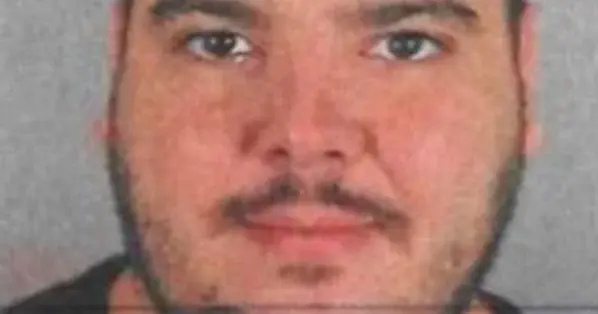
Dutch authorities have raised the reward for the capture of fugitive drug trafficker Jos Leijdekkers to a record €2 million ($2.2 million), a tenfold increase from the previous €200,000 bounty. Leijdekkers, known as 'Bolle Jos' or 'Chubby Jos,' is currently hiding in Sierra Leone, where he is believed to have integrated into the political elite. He faces 24 years in prison in the Netherlands and 79 years in Belgium for cocaine smuggling and other crimes. The Netherlands has demanded his extradition, but Sierra Leone has refused to cooperate, leading the European Union to withhold €18 million in aid. Dutch prosecutors state that the increased bounty aims to pressure African nations to share information, as Leijdekkers is considered a key player in international cocaine trade and is suspected of involvement in extreme violence and money laundering.
Key points
- Dutch prosecutors increased the reward for Jos Leijdekkers' arrest from €200,000 to €2 million, the highest bounty ever offered by the Netherlands.
- Leijdekkers, 35, was sentenced in absentia to 24 years in prison in the Netherlands for smuggling nearly 7,000 kilos of cocaine and 79 years in Belgium.
- He is believed to be hiding in Sierra Leone, where he reportedly has a child with the daughter of President Julius Maada Bio and has invested in the local economy.
- Sierra Leone has refused to extradite Leijdekkers, prompting the EU to withhold €18 million in aid; Sierra Leonean officials claim the delay is due to procedural issues, not the extradition dispute.
- Leijdekkers is listed as the most wanted fugitive on Europol's top criminals list and is suspected of involvement in the disappearance and death of Naima Jillal in 2019.
Background
Previous coverage in our archive does not provide background on this specific case, as the earlier articles focus on unrelated topics such as marine biology, space exploration, wildlife management, and entertainment. The current story stands as a new development in international crime and diplomatic relations between the Netherlands and Sierra Leone.
How outlets are covering it
CBS News and AFP emphasize the record-breaking nature of the €2 million reward and the Dutch government's priority in capturing Leijdekkers. The Independent highlights the diplomatic fallout, noting that the EU cut aid to Sierra Leone after the country refused to cooperate with extradition requests, and details Leijdekkers' alleged integration into Sierra Leonean society, including his relationship with the president's daughter and investments in mines and real estate. DutchNews.nl focuses on the legal aspects, noting the combined 103 years of prison sentences in the Netherlands and Belgium, and includes statements from Sierra Leonean officials who accuse the Dutch of 'neo-colonialism' and claim their intelligence services do not know Leijdekkers' whereabouts. UA.NEWS provides a concise summary of the reward increase and the ongoing investigations in the Netherlands. All sources agree on the core facts of the reward increase and Leijdekkers' location, but differ in emphasis on the diplomatic tensions and the extent of his local influence in Sierra Leone.
Why it matters
The case underscores the challenges of international law enforcement in dealing with high-profile fugitives who have established political and economic ties in host countries. The Dutch government's decision to offer a record bounty reflects the urgency of capturing a key figure in the international cocaine trade, while the EU's withholding of aid highlights the leverage available to European nations in pressuring non-cooperative states. The situation also raises questions about the intersection of organized crime and political power in West Africa, as well as the effectiveness of diplomatic pressure in resolving extradition disputes.
What to watch
Dutch authorities will likely continue to monitor the situation in Sierra Leone and may adjust their strategy if the increased reward does not yield results. The EU may further review its aid to Sierra Leone if the country continues to refuse extradition. Leijdekkers' legal team may challenge the in absentia sentences, and Sierra Leonean officials may continue to deny knowledge of his whereabouts. The case could also lead to increased scrutiny of Leijdekkers' activities in Sierra Leone, including his investments and relationships with local elites.
- Record reward offered for capture of fugitive cocaine kingpin dubbed "Chubby Jos" CBS News
- Dutch police offer £1.6m reward for help finding cocaine kingpin on the run The Independent
- Netherlands offers €2 million reward for Leijdekkers' arrest — The Independent UA.NEWS
- Prosecutors raise reward for arrest of “Bolle Jos” to €2m DutchNews.nl
- Reward for information leading to arrest of Dutch drug kingpin to rise to €2 million NL Times
Want the full story? Read the original reporting
Read on CBS News