
US Sanctions on ICC Spark Global Backlash and Nobel Prize Irony
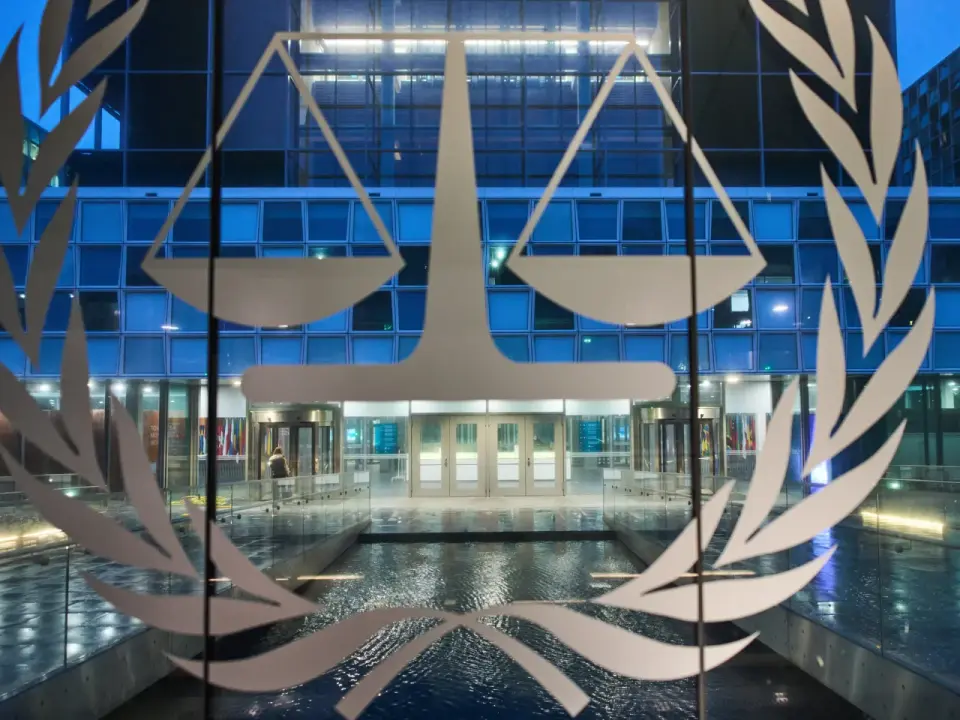
The US Treasury has imposed sweeping sanctions on the International Criminal Court (ICC), banning transactions with the body and cutting off its resources. Secretary of State Marco Rubio described the move as an effort to 'cripple' the court, which Washington accuses of overreaching by investigating non-member states like Israel. The ICC, along with the UN, European allies, and Canada, condemned the action as an assault on the rule of law. The sanctions include a six-month grace period for companies to wind down operations, but critics warn the measure aims to destroy the institution. The timing coincided with the Nobel Peace Prize award to former ICC judge Navi Pillay, highlighting the global tension between international justice and US policy.
Key points
- US Secretary of State Marco Rubio announced sanctions against the ICC, stating the goal is to cut off resources and cripple its operations.
- The US Treasury issued a six-month grace period for companies to cease transactions with the court, with exemptions for telecommunications and pension payments.
- The ICC condemned the move as an 'assault on the rule of law' and called on its 125 member states to defend the institution.
- Foreign ministers from the UK, France, Germany, Italy, the Netherlands, Denmark, Canada, and Japan issued a joint statement expressing regret and strong disagreement with the US decision.
- Belgian Foreign Minister Maxime Prevot called for the activation of the EU Blocking Statute to protect the court from US financial restrictions.
- The sanctions were announced hours after South African jurist Navi Pillay, a former ICC judge, won the Nobel Peace Prize, a timing CNN noted as ironic given the US campaign against the court.
Background
The US has previously sanctioned individual ICC judges and prosecutors, particularly after the court issued arrest warrants for Israeli leaders in 2024. In September 2026, EU lawmakers urged the European Commission to activate the blocking statute to shield the ICC from US financial restrictions. The Netherlands, which hosts the ICC, had been preparing for potential sanctions by migrating away from US tech vendors and adjusting insurance contracts. The current escalation follows a broader pattern of US administration efforts to dismantle the court’s authority, which Washington argues exceeds its mandate by investigating non-member states.
How outlets are covering it
Al Jazeera emphasizes the diplomatic backlash from US allies and the UN, highlighting the ICC’s plea for international support and the specific diplomatic language used by European foreign ministers. CNN focuses on the symbolic timing of the sanctions with the Nobel Peace Prize award to Navi Pillay, framing the US action as a direct attack on the rule of law and international justice. Both sources agree on the severity of the sanctions but differ in emphasis: Al Jazeera details the specific exemptions and grace period, while CNN contextualizes the event within the broader narrative of the Nobel Prize and the ICC’s historical significance. Neither source provides a neutral perspective on the US justification, but both note the administration’s claim that the ICC has exceeded its authority.
Why it matters
The US sanctions represent a significant escalation in the conflict between Washington and the international legal order, potentially undermining the ICC’s ability to prosecute war crimes. The reaction from key US allies, including the activation of the EU Blocking Statute, signals a potential rift in transatlantic relations over the rule of law. The timing with the Nobel Peace Prize highlights the global debate over the role of international justice in holding powerful actors accountable. If the sanctions take effect, they could cripple the ICC’s operations, setting a precedent for the erosion of international legal institutions.
What to watch
The six-month grace period will determine whether companies can wind down operations with the ICC before the sanctions take full effect. The EU is expected to decide on the activation of the Blocking Statute in the coming weeks, potentially imposing countermeasures against US entities. The ICC will continue to call on its member states for support, while the US administration will monitor whether the court addresses its concerns. The long-term impact on the ICC’s ability to prosecute cases, particularly those involving Israel and the US, remains uncertain.
- European states, Canada, Japan and UN back ICC against US sanctions Al Jazeera
- EXCLUSIVE: US imposes sanctions on ICC hours after former judge wins Nobel Peace Prize Reuters
- Trump Administration Hits International Criminal Court With Severe Sanctions The New York Times
- As Navi Pillay wins Nobel Peace Prize, US takes unprecedented action to cripple the court she served on CNN
- US sanctions global court as judge awarded Nobel Peace Prize The Hill
Want the full story? Read the original reporting
Read on Al Jazeera