
IPCC Deadlock Threatens Critical 2028 Climate Assessment Timeline
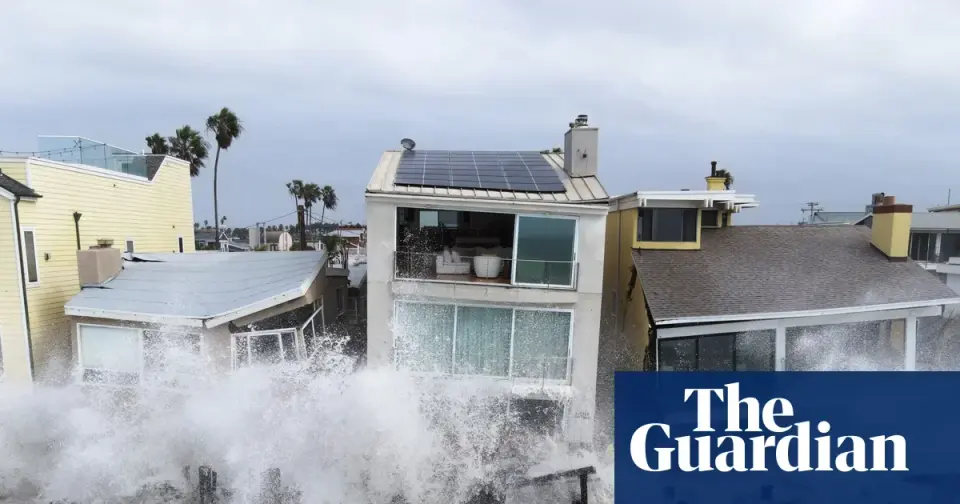
The Intergovernmental Panel on Climate Change (IPCC) suspended its Addis Ababa meeting without agreeing on a release date for its Seventh Assessment Report (AR7). A coalition led by Saudi Arabia, Russia, and India seeks to delay publication to 2029 or later, arguing that current timelines exclude Global South research. This delay risks missing the 2028 global stocktake, a key moment for scrutinizing emissions pledges under the Paris Agreement.
Key points
- The IPCC failed to set a firm timetable for AR7 during its October 2026 meeting in Addis Ababa, leaving the report’s release date uncertain.
- A group of nations, including Saudi Arabia, Russia, India, China, and Kenya, opposes a 2028 release, claiming it favors developed-country science and excludes developing nations.
- Supporters of the 2028 timeline, including many developed nations and Small Island Developing States, argue the report must be ready for the 2028 global stocktake to maintain pressure on emissions cuts.
- IPCC chair Jim Skea pledged to reconvene the panel as soon as possible to resolve the impasse before the COP31 summit in Turkey next month.
- Scientists from developing countries have issued an open letter vowing to continue their work, emphasizing that the assessment already includes diverse global sources.
Background
Recent reports indicate Earth’s climate is deteriorating, with seven planetary vital signs at record extremes and warming accelerating to 0.36°C per decade since 2010. Meanwhile, a strengthening El Niño is expected to cause significant damage in both developed and developing regions. The IPCC’s previous report, AR6, was completed in 2021, and its findings were crucial for the 2023 global stocktake, which set targets for reducing emissions by 43% by 2030.
How outlets are covering it
The Guardian and New Scientist highlight the strategic nature of the delay, noting that Saudi Arabia and Russia have a history of obstructing climate action to slow international progress. New Scientist quotes former IPCC chair Bob Watson, who calls the delay a tactic to avoid the public pressure that IPCC reports generate. Climate Home News, however, emphasizes the equity argument, noting that developing countries face unequal access to funding and research infrastructure. It argues that extending the timeline alone does not solve structural inequalities but is necessary to ensure the scientific integrity and inclusivity of the report. Civil society remains divided, with some activists fearing the delay will weaken global ambition, while others argue that fairness in scientific participation is as important as speed.
Why it matters
The timing of the AR7 report is critical for the 2028 global stocktake, which evaluates progress toward limiting global warming to 1.5°C. A delay could reduce public and media pressure on governments to strengthen their emissions pledges, potentially allowing countries to act as if the urgency of the climate crisis has eased. This could hinder the transition to renewable energy and the achievement of net-zero targets by 2050.
What to watch
The IPCC is expected to reconvene soon to resolve the timeline dispute. A compromise may involve releasing the first part of the report, which covers physical science, in 2028, while delaying the parts on impacts and solutions to 2029. The issue will likely be discussed at the COP31 summit in Turkey next month, where governments will be assessed on their urgency in tackling the climate crisis.
- Why have countries been pushing for a vital global climate report to be delayed? The Guardian
- UN climate panel head wants swift end to deadlock over key scientific report Phys.org
- Top global climate science body suspends meeting without deal on major review timeline Reuters
- Who shapes climate science? The equity question facing the IPCC Climate Home News
- It’s about to get a lot harder to keep countries honest about climate change New Scientist
Want the full story? Read the original reporting
Read on The Guardian