
Miliband Condemns UK Shadow Minister for Challenging ICJ’s Historic Myanmar Genocide Verdict
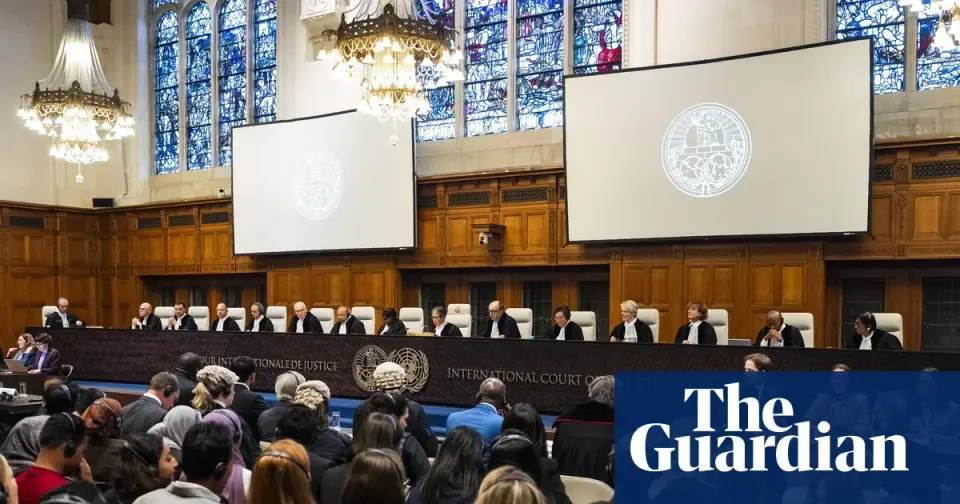
The UK Foreign Secretary, Ed Miliband, has sharply criticized Shadow Foreign Minister Wendy Morton for questioning the International Court of Justice’s (ICJ) recent ruling that Myanmar committed genocide against the Rohingya. While the court’s 9-6 decision marks the first time a state has been found responsible for genocide under the 1948 Convention, Morton argued that the dissenting judges raised valid concerns about the proof of intent. Miliband warned that undermining the ruling would embolden other governments to ignore international law. The verdict also introduces a new legal precedent: third-party states can be held liable for failing to prevent genocide even if the crime itself is not formally proven, a development with significant implications for Germany’s ongoing ICJ case regarding arms exports to Israel.
Key points
- The ICJ ruled 9-6 that Myanmar committed genocide against the Rohingya in 2017, the first state-level finding under the 1948 Genocide Convention.
- Shadow Foreign Minister Wendy Morton questioned the verdict, citing the 6 dissenting judges and concerns over the 'standard of proof' for genocidal intent.
- Ed Miliband accused the Conservatives of undermining international law, warning that such skepticism could lead to a global disregard for ICJ judgments.
- The ruling established that third-party states can be held responsible for breaching the duty to prevent genocide even if the crime is not ultimately proven.
- This new legal interpretation increases pressure on Germany, which faces an ICJ case from Nicaragua regarding its arms exports to Israel.
- Miliband announced a package of sanctions against the Myanmar military, including a ban on jet fuel exports, and called for a UN Security Council meeting.
Background
The ICJ’s November 19, 2026, ruling is the first instance of a state being found guilty of genocide since the 1948 Convention was established. Previous cases, such as the 2007 Serbia vs. Bosnia ruling, found states liable for failing to prevent genocide but not for committing it. The current verdict shifts the legal landscape by allowing liability for the 'duty to prevent' without a prior finding that genocide actually occurred, a change described by legal experts as a major departure from prior ICJ positions.
How outlets are covering it
The Guardian highlights the political clash in the UK, with Miliband accusing Morton of setting a dangerous precedent for international law. The New York Times emphasizes the historical significance of the verdict as the first state-level genocide finding since the Holocaust. UN News focuses on the humanitarian impact, with General Assembly President Khalilur Rahman calling for justice, reparations, and safe return for the Rohingya. Al Jazeera analyzes the legal implications for the Gaza case, noting that the ruling’s acceptance of circumstantial evidence for intent may provide a 'legal roadmap' for South Africa’s case against Israel. While the Guardian and NYT focus on the verdict's finality, Al Jazeera and The Guardian note the dissenting opinions and the ongoing legal debates regarding the 'standard of proof' for intent.
Why it matters
The ICJ’s ruling establishes a new legal precedent that third-party states can be held liable for failing to prevent genocide even if the crime is not formally proven. This has immediate implications for Germany, which is facing an ICJ case from Nicaragua over its arms exports to Israel. The verdict also intensifies the political debate in the UK over the role of international law, with the government urging respect for the court while the opposition questions the evidentiary standards used. The ruling may also influence the outcome of South Africa’s genocide case against Israel, as it provides a clearer legal framework for proving genocidal intent through cumulative patterns of evidence.
What to watch
Miliband has announced a package of sanctions against the Myanmar military, including a ban on jet fuel exports, and has called for a dedicated UN Security Council meeting within two weeks. The UK government is expected to review its policy on the 'duty to prevent' genocide in light of the new ICJ interpretation. Germany is expected to face increased legal scrutiny in its ICJ case with Nicaragua, with a ruling on jurisdiction expected later this year. The international community will monitor Myanmar’s compliance with the reparations and safe return orders, while the ICJ’s new precedent may influence future cases involving state responsibility for mass atrocities.
- ICJ ruling on duty to prevent genocide places new onus on countries to act The Guardian
- A Landmark Genocide Ruling The New York Times
- ‘You will not be alone’: General Assembly President tells Rohingya refugees after genocide ruling UN News
- What does the ICJ’s Rohingya genocide ruling mean for Gaza? Al Jazeera
- Gambia v. Myanmar: A Landmark Judgment That Unsettles the Law of Genocide Just Security
Want the full story? Read the original reporting
Read on The Guardian