
Navi Pillay’s Nobel Prize Sparks Global Debate Over Gaza Genocide Findings
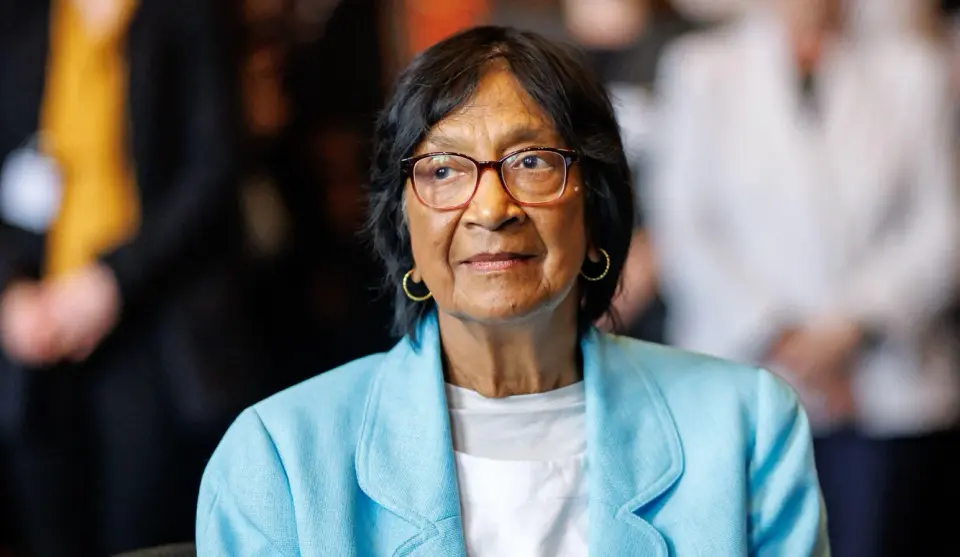
South African jurist Navi Pillay was awarded the 2026 Nobel Peace Prize on October 9, largely for her role in leading a UN commission that accused Israel of committing genocide in Gaza. The award has polarized global opinion, with supporters praising her defense of international law and critics condemning the findings as biased and factually incorrect.
Key points
- Pillay received the Nobel Peace Prize on October 9, 2026, shortly after the third anniversary of the October 7, 2023, Hamas attack.
- The Nobel Committee cited her work defending international legal principles and her chairmanship of the UN Independent International Commission of Inquiry on the Occupied Palestinian Territory.
- The commission’s September 2025 report accused Israel of four acts qualifying as genocide under the 1948 Convention, including mass killing and deliberate starvation.
- Pillay responded to the award by joking she would 'share the award with Trump,' a comment interpreted as a critique of US interference in international institutions.
- Critics, including retired US military leaders and thousands of academics, argue the genocide charge is a 'blood libel' that ignores Israeli precautions to protect civilians.
Background
The debate over Israel’s actions in Gaza has intensified since the 2023 conflict. In September 2026, over 6,000 scholars and politicians signed a letter rejecting the genocide charge, labeling it a political weapon. Similarly, retired US military leaders argued in October 2026 that Israel’s conduct does not meet the legal definition of genocide, citing extensive civilian protection measures. Pillay’s career includes adjudicating the Rwandan genocide and fighting apartheid, lending historical weight to her current role in international law.
How outlets are covering it
Quillette and Tablet Magazine frame the award as a dangerous legitimization of a 'blood libel,' arguing the UN commission relied on biased sources and flawed methodology. They emphasize the October 7 attacks as evidence of Hamas’s genocidal intent, contrasting it with Israel’s alleged defensive actions. Common Dreams, however, views Pillay’s award as a triumph for international law, highlighting her sarcasm toward Trump as a rejection of authoritarian interference. The outlets disagree on the validity of the genocide findings: Quillette and Tablet view them as politically motivated falsehoods, while Common Dreams sees them as a necessary defense of human rights against US and Israeli power.
Why it matters
The award signals a potential shift in international legal consensus regarding the Gaza conflict, potentially influencing future UN resolutions and ICC proceedings. It also highlights the growing polarization in global discourse, where legal findings are increasingly viewed through political lenses rather than neutral legal standards.
What to watch
Expect increased diplomatic pressure on the UN and ICC as the US and other allies challenge the legitimacy of the commission’s findings. Pillay may face further scrutiny from critics, while supporters will likely push for stronger enforcement of international law against Israel.
- Navi Pillay’s Nobel: A Threat to Genocide Law Quillette
- Trump Says He Should Have Won 8 Nobels After Being Snubbed for the Prize The New York Times
- Is the Whole World Wrong? Tablet Magazine
- Opinion | Navi Pillay Punctured Trump's Overblown Ego in Six Words Common Dreams
- Elisha Wiesel: The Death of the Nobel Peace Prize The Free Press
Want the full story? Read the original reporting
Read on Quillette