
UN Elects Five New ICJ Judges Amid Record Caseload and Controversy Over Israel-Related Proceedings
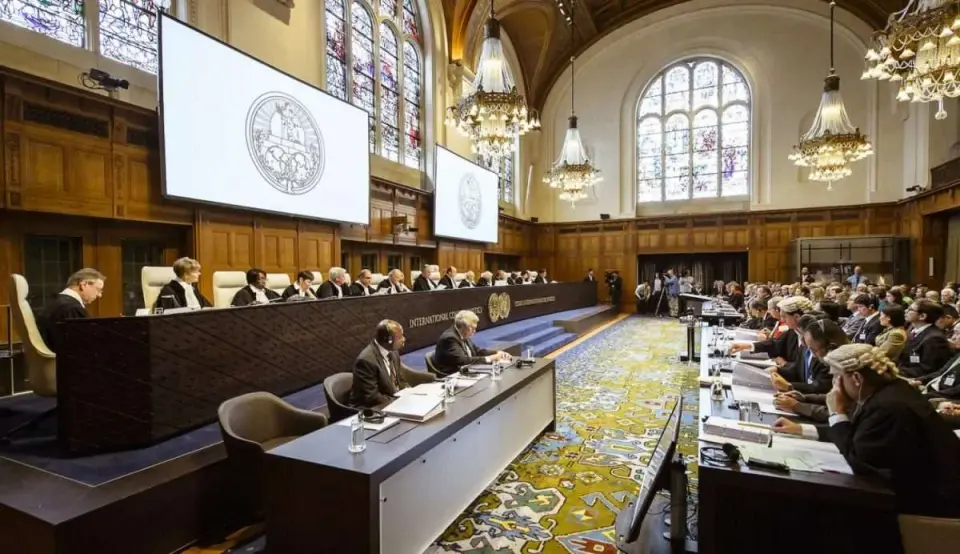
The UN General Assembly and Security Council elected five judges to the International Court of Justice (ICJ) on November 4, 2026, for nine-year terms beginning February 6, 2027. The new members are Rena Lee (Singapore), François Alabrune (France), Dapo Akande (UK), Mahmoud Hmoud (Jordan), and Phoebe Okowa (Kenya). The election required multiple rounds of voting, with Okowa ultimately securing the final seat after Ecuador’s candidate withdrew. The ICJ faces a record caseload, including South Africa’s genocide case against Israel. While the primary source focuses on the procedural and historical patterns of ICJ leadership elections, secondary sources highlight concerns from Israel regarding the impartiality of judges with prior involvement in legal proceedings concerning the Israeli-Palestinian conflict.
Key points
- Five judges were elected to the ICJ for nine-year terms starting February 6, 2027: Rena Lee, François Alabrune, Dapo Akande, Mahmoud Hmoud, and Phoebe Okowa.
- The election process required absolute majorities in both the UN General Assembly and Security Council, with Okowa winning the final seat after Ecuador’s candidate withdrew following initial disagreements.
- The ICJ currently has 24 pending contentious cases, including South Africa’s genocide case against Israel, which has not yet reached a final ruling.
- Israel’s UN ambassador Danny Danon criticized the new judges, particularly Hmoud and Okowa, for prior involvement in legal proceedings against Israel, raising concerns about impartiality.
- The primary source notes that ICJ Presidency elections will occur in February 2027, following the end of current President Yuji Iwasawa’s term, and highlights historical patterns in judicial career progression.
Background
The ICJ is the UN’s principal judicial body, consisting of 15 judges elected to nine-year terms. A third of the bench is renewed every three years to ensure continuity. The court has been increasingly active in high-profile cases, including advisory opinions on climate obligations and the legal status of Israeli settlements. Previous coverage from our archive does not provide direct background on this specific election but reflects broader international tensions and legal disputes involving state actors.
How outlets are covering it
The primary source, EJIL: Talk!, emphasizes the procedural and historical aspects of ICJ elections, focusing on the roles of President and Vice-President and patterns in judicial career progression. It does not address the political controversies surrounding the new judges. In contrast, The Jerusalem Post highlights Israel’s concerns about the impartiality of judges like Hmoud and Okowa, who were previously involved in legal proceedings against Israel. Al Jazeera reports on the election process and the ICJ’s record caseload, noting the significance of the South Africa genocide case and the court’s upcoming judgment in The Gambia’s case against Myanmar. The outlets differ in their focus: EJIL: Talk! provides a neutral, procedural analysis, while The Jerusalem Post frames the election through the lens of Israel-Palestine tensions, and Al Jazeera offers a factual overview of the election and the court’s workload.
Why it matters
The election of these judges will shape the ICJ’s decisions over the next decade, including in the ongoing South Africa genocide case against Israel. The controversy over the judges’ prior involvement in legal proceedings raises questions about the court’s impartiality and the integrity of international legal processes. Additionally, the ICJ’s record caseload underscores the growing importance of the court in resolving high-stakes international disputes, making the composition of its bench a critical factor in global legal outcomes.
What to watch
The new judges will assume office on February 6, 2027. In February 2027, the ICJ will also elect a new President and Vice-President, as the terms of Yuji Iwasawa and Julia Sebutinde end. The court will continue to hear the South Africa genocide case against Israel, with further submissions expected by November 2027 and May 2029. The ICJ will also deliver a judgment on November 19 in The Gambia’s case against Myanmar regarding the Rohingya genocide.
- First Among Equals: The Election for the ICJ’s Presidency EJIL: Talk!
- New Hague judges have history of anti-Israel legal proceedings, Danny Danon says The Jerusalem Post
- UN elects five judges to International Court of Justice amid record cases Al Jazeera
- ‘Troubling résumés’: Meet the newly elected judges at The Hague and their ties to Israel Ynetnews
- Who is Phoebe Okowa? Kenyan law scholar who rose to ICJ bench Daily Nation
Want the full story? Read the original reporting
Read on EJIL: Talk!