
EU Leaders Push Digital Tax and Ukraine Loan Amid Rising US Tensions
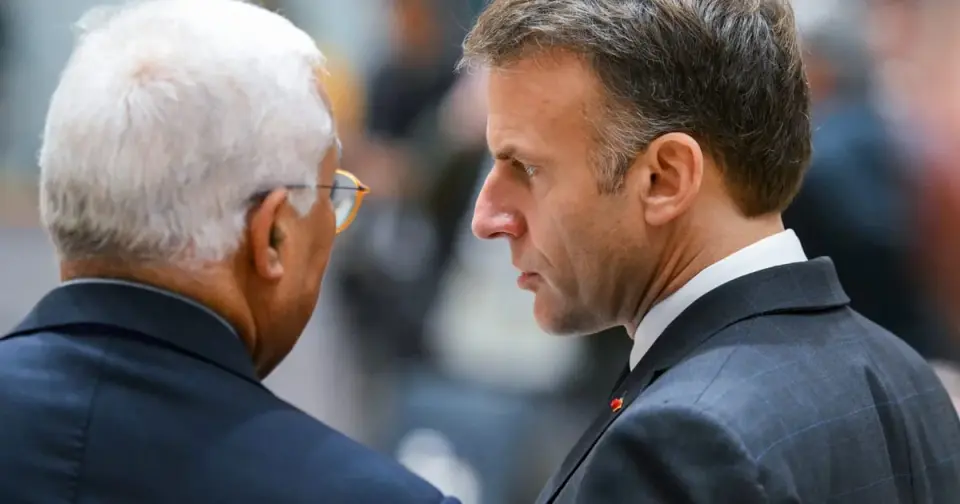
European Union leaders are advancing a contentious €45 billion loan for Ukraine and a new digital services tax despite strong opposition from the United States. While Washington has threatened tariffs and criticized the measures as discriminatory, many EU nations are now less wary of confrontation following the US midterm elections. The talks, held in Brussels on November 26–27, 2026, remain unresolved, with several member states blocking progress over fiscal and geopolitical concerns.
Key points
- EU leaders are negotiating a €45 billion loan for Ukraine, with approximately half earmarked for defense procurement and half for administrative costs, as the US has suspended new financial support for Kyiv.
- The European Council President’s budget proposal includes a digital services tax targeting firms with global turnover exceeding €750 million and €50 million in European revenue, affecting companies like Google, Meta, and Amazon.
- The US State Department opposes the tax, calling it an 'unjustified digital trade barrier,' and has warned of potential retaliatory tariffs, while the US National Security Strategy from December 2025 explicitly criticized the levy.
- Several EU nations, including Sweden, Ireland, and Malta, oppose the tax, while Germany has shown openness; Luxembourg and the Netherlands remain undecided, and Hungary, Slovakia, Bulgaria, and the Czech Republic are blocking the Ukraine loan.
- EU diplomats argue that the US’s aggressive stance has made conflict inevitable, leading some leaders to adopt a harder line, while others fear the economic fallout of antagonizing Washington.
Background
The EU has provided nearly €240 billion in support to Ukraine since the war began, far exceeding US contributions. Previous negotiations over the 2028–2034 budget have been stalled by disagreements over the size of the budget, the financing of Ukraine’s military support, and the distribution of new EU-wide taxes. German Chancellor Friedrich Merz has rejected the current proposal as too large, while French President Emmanuel Macron has threatened to walk away if no deal is reached by December. The US has also suspended sanctions on Russian diesel exports and blocked the sale of missile interceptors to Ukraine, deepening the transatlantic rift.
How outlets are covering it
POLITICO emphasizes that EU leaders are now more willing to confront the US, citing a shift in sentiment after the Republican Party’s midterm defeat and years of trade tensions. Foreign Policy highlights the urgency of the €45 billion loan, noting that the US has not provided fresh financial support since Trump’s return to office and has actively undermined Ukraine’s defense capabilities. PubAffairs Bruxelles frames the situation as a 'make-or-break moment' for Europe, warning that internal nationalism and political instability in France and Germany could undermine EU unity. Yahoo’s analysis suggests that while US-Europe alignment on Ukraine may be increasing, it does not necessarily mean the war is closer to ending, as economic pressures in Europe are creating new political challenges.
Why it matters
The outcome of these negotiations will determine the EU’s ability to sustain Ukraine’s defense and assert its own economic sovereignty. A failure to reach a deal could leave Ukraine vulnerable to Russian aggression and signal a shift in the transatlantic alliance. The digital tax and defense procurement rules could also reshape global trade dynamics, potentially triggering a broader trade war with the US.
What to watch
EU leaders are expected to continue negotiations on the budget and Ukraine loan, with a deadline to finalize the framework before the end of 2026. The European Parliament must sign off on any long-term budget deal, and the outcome will depend on whether member states can overcome their objections. The US may impose new tariffs or investigations into 'digital discrimination' if the EU proceeds with the tax, while the US has also announced plans for a three-way meeting with Russia and China to negotiate an end to the war, excluding Ukraine and Europe.
- EU leaders brave clash with Trump over tech tax, defense, Ukraine POLITICO.eu
- Europe Steps Into the Breach on Ukraine Foreign Policy
- Europe’s make-or-break moment has arrived PubAffairs Bruxelles
- Are the US and Europe moving closer on Ukraine? | ask ian Yahoo
- ‘What do we have to lose?’ EU leaders increasingly willing to clash with Trump over Ukraine aid — Politico The New Voice of Ukraine
Want the full story? Read the original reporting
Read on POLITICO.eu