
Japan’s Takaichi Meets Putin in Shenzhen After Cool Reception from China
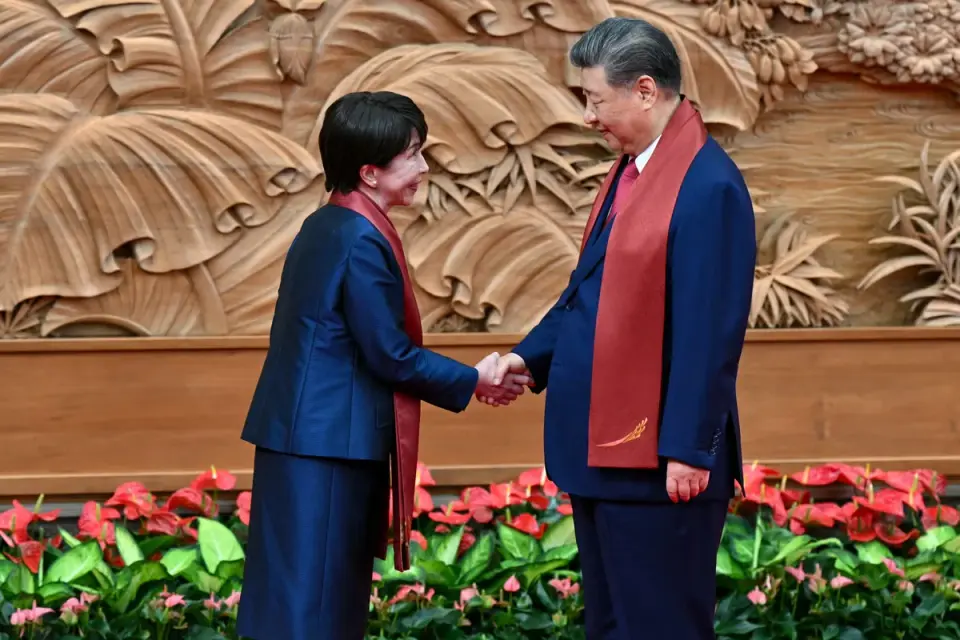
Japanese Prime Minister Sanae Takaichi held her first meeting with Russian President Vladimir Putin in seven years on Wednesday in Shenzhen, China, following a notably muted welcome from Chinese hosts. The 30-minute discussion focused on the detention of a Japanese journalist in Russia and the protection of Japanese businesses operating there. While Takaichi received a modest airport greeting compared to other leaders, she later met with Chinese President Xi Jinping, who reportedly treated her with the same courtesy as other attendees. The meeting occurred amid ongoing tensions between Tokyo and Beijing over Taiwan and a territorial dispute with Moscow.
Key points
- Takaichi and Putin met for approximately 30 minutes, marking the first direct contact between the two leaders in seven years.
- Japanese officials stated the conversation addressed the pre-trial detention of reporter Yuki Imai in Russia and the safety of Japanese companies in the country.
- Takaichi received a modest welcome at Shenzhen’s airport, including a junior official and a small guard of honor, contrasting with the high-profile reception given to US President Donald Trump.
- Chinese President Xi Jinping later greeted Takaichi at a welcome banquet, with Japanese officials noting the tone was consistent with how he addressed other leaders.
- The meeting took place against a backdrop of strained Japan-China relations following Takaichi’s 2025 comments regarding a potential military response to a Chinese attack on Taiwan.
Background
This diplomatic interaction occurs within the broader framework of the 2026 APEC summit in Shenzhen, where global leaders are convening amid complex geopolitical shifts. Previous archive coverage highlights that the summit featured a historic trilateral meeting between Trump, Xi, and Putin, focusing on nuclear arms and the war in Ukraine, though analysts questioned the likelihood of substantive breakthroughs. Japan’s relations with China have been tense since late 2025, when Beijing imposed travel warnings and trade restrictions after Takaichi suggested Japan might deploy military force if a conflict in Taiwan posed an existential threat. Additionally, Japan and Russia remain locked in a territorial dispute over the Kuril Islands, with no formal peace treaty signed since the end of World War II.
Why it matters
The meeting signals a continued effort by Tokyo to maintain diplomatic channels with Moscow despite deepening strategic disagreements and the unresolved status of the Kuril Islands. It also highlights the delicate balancing act Japan faces in managing its relationships with both Beijing and Moscow, particularly after recent frictions with China over Taiwan. The outcome of these talks could influence regional stability and the future of Japanese business interests in Russia, while also reflecting the broader diplomatic dynamics at the APEC summit.
What to watch
Japanese officials indicated that Tokyo and Moscow will continue dialogue at various levels, though no immediate breakthroughs were announced. The resolution of the case of detained reporter Yuki Imai remains a key issue, with his pre-trial detention potentially leading to a lengthy prison sentence if espionage charges are upheld. Ongoing tensions between Japan and China over Taiwan and trade restrictions will likely continue to shape diplomatic interactions in the near term.
Want the full story? Read the original reporting
Read on The Independent