
Chad exits ICC following direct US pressure, joining wave of African withdrawals
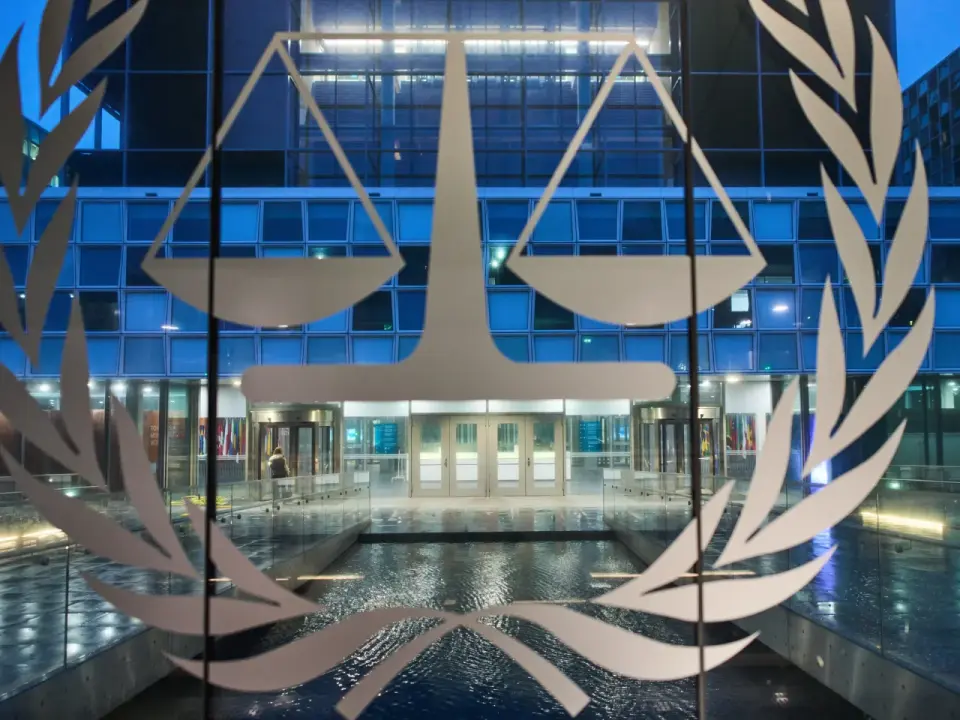
Chad has initiated its withdrawal from the International Criminal Court (ICC), becoming the fifth state to leave the tribunal in recent months. The decision follows direct pressure from the United States, which has intensified its campaign against the court. Chad cites the ICC’s perceived bias toward African nations and its limited effectiveness as primary reasons for the exit. This move aligns Chad with neighboring Sahel states that have already withdrawn, while the US government publicly welcomed the decision as a reclamation of sovereignty. The ICC faces a significant legitimacy crisis as it searches for a new prosecutor following the dismissal of Karim Khan.
Key points
- Chad’s military government announced on July 27, 2026, that it is beginning the formal process to withdraw from the ICC, citing the court’s 'limited and uneven' effectiveness.
- The Chadian government stated that the decision followed a telephone call from the US Deputy Secretary of State for African Affairs, who urged Chad to review its membership in the Rome Statute.
- Chad is the fifth country to withdraw from the ICC in recent months, following Burkina Faso, Mali, Niger, and Venezuela, all of which have accused the court of selective justice and bias.
- The US Bureau for African Affairs welcomed Chad’s move, describing the ICC as a 'flawed institution' and promising a campaign to end its 'illegal overreach.'
- The withdrawal comes as the ICC searches for a new chief prosecutor after the dismissal of Karim Khan, whose removal was contested by his defense team as politicized.
Background
The ICC was established in 2002 to prosecute war crimes and crimes against humanity. Prior to the current surge in withdrawals, only Burundi and the Philippines had left the court. In September 2025, Burkina Faso, Mali, and Niger jointly announced their withdrawal, accusing the court of being an instrument of neo-colonial repression. The US, which is not a member of the ICC, has long opposed the tribunal, particularly after it issued arrest warrants for Israeli leaders in 2024. Recent US sanctions against the ICC and calls to 'systematically disable' it have intensified tensions, leading to a broader revolt against the post-Cold War international order among several African nations.
How outlets are covering it
Al Jazeera and Courthouse News emphasize the direct diplomatic pressure exerted by the United States on Chad, highlighting a specific phone call between US and Chadian officials as the catalyst for the withdrawal. Both outlets frame the decision as part of a broader trend of African nations rejecting the ICC due to perceived bias. BBC Pidgin provides a more nuanced analysis, noting that while the US supports the withdrawal, its motivations are rooted in its own long-standing discomfort with international scrutiny of its allies, particularly Israel, rather than a genuine concern for African sovereignty. Security analyst Adib Saani, cited by BBC, argues that the withdrawals are political statements about sovereignty and a response to the ICC's credibility crisis, warning that the court faces a risk of isolation even if it retains legal standing. All sources agree that the ICC is facing its most significant legitimacy challenge since its inception.
Why it matters
The withdrawal of Chad, a key US ally in the region, signals a deepening fracture in the international legal order. It underscores the growing influence of US foreign policy in undermining multilateral institutions and highlights the rising sentiment among African nations that the ICC is a tool of Western imperialism rather than a neutral arbiter of justice. This trend could embolden other nations to reject international accountability mechanisms, potentially leaving war crimes and crimes against humanity without a viable judicial recourse. The ICC's ability to function effectively is now in question, as the loss of member states undermines its capacity to enforce warrants and pursue cases, particularly in conflict zones where cooperation is essential.
What to watch
The ICC will likely face continued pressure as more countries consider withdrawal, particularly in the Sahel region. The US may intensify its campaign against the court, potentially imposing further sanctions or diplomatic isolation. The search for a new chief prosecutor will be a critical test for the ICC's internal stability and credibility. African nations may explore alternative judicial mechanisms, as suggested by Chad, to address crimes against humanity without relying on the ICC. The long-term implications for international justice and the enforcement of war crimes laws remain uncertain, with the potential for a fragmented global legal landscape.
- Chad to join raft of withdrawals from International Criminal Court Al Jazeera
- Chad's government says it's withdrawing from the ICC DW.com
- Chad says will withdraw from the International Criminal Court Courthouse News
- Chad withdrawal from ICC: Why Chad join Mali, Niger and Burkina Faso to withdraw from International Criminal Court BBC
- Chad announces its withdrawal from the International Criminal Court news.cgtn.com
Want the full story? Read the original reporting
Read on Al Jazeera