
EU Unveils 22nd Sanctions Package Targeting Russian Banks, Crypto, and Sports
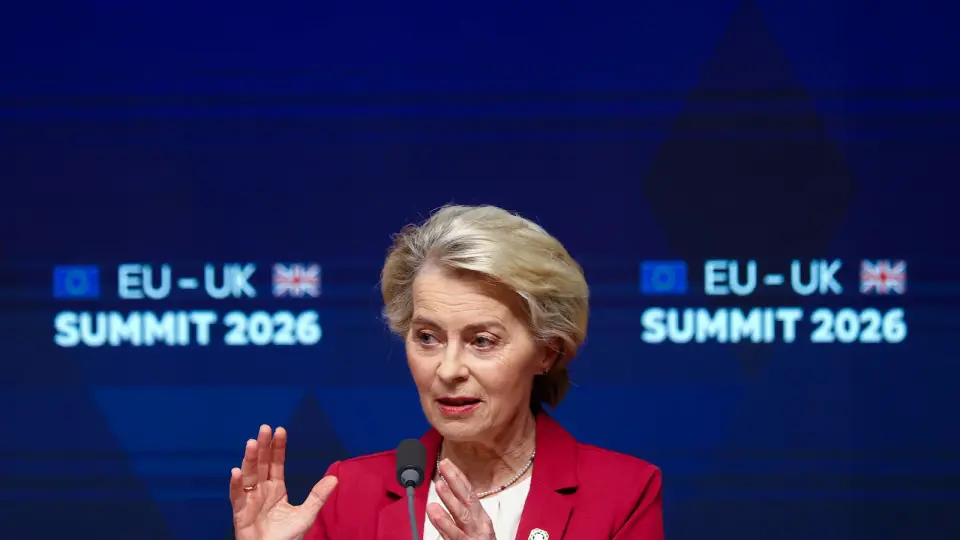
The European Commission has proposed its 22nd round of sanctions against Russia, aiming to intensify economic pressure nearly five years into the war in Ukraine. The package targets 60 Russian banks by removing them from the SWIFT messaging system and introduces a new crypto sanctions task force to combat evasion. It also bans Russian athletes and teams from competing under their national flag in EU events, restricts Russian officials from holding leadership roles in European sports federations, and proposes a visa ban for former Russian combatants. These measures require unanimous approval from all 27 EU member states.
Key points
- The new sanctions package includes the removal of 60 Russian banks from the SWIFT international payment system.
- A dedicated crypto sanctions task force will be established to target third countries aiding Russia in evading financial restrictions.
- Russian athletes and teams are banned from competing under the Russian flag, anthem, or uniforms in EU sporting events.
- The proposal includes a visa ban for Russian ex-combatants, citing security risks, and restricts Russian nationals from holding senior posts in European sports governing bodies.
- Energy sanctions are expanded to ban European companies from assisting with Russian refineries and infrastructure, including electricity services for the shadow fleet.
- The measures must be endorsed by all 27 EU member states, a process that may take weeks and could result in modifications.
Background
This is the 22nd sanctions package since the full-scale invasion of Ukraine began in 2022. The EU has previously sanctioned over 4,700 individuals and entities, including President Vladimir Putin. The latest move follows a period of internal debate, where some member states, including France and Italy, had opposed previous measures like the ex-combatant visa ban due to concerns over tourism and enforcement. Recent escalations, including drone strikes in the Black Sea and security incidents in Estonia and Poland, have shifted the political calculus toward stricter enforcement and new restrictions.
How outlets are covering it
ABC News and Al Jazeera emphasize the breadth of the new measures, highlighting the targeting of banks, crypto, and sports as a comprehensive strategy to cut off war financing and propaganda. The Guardian notes that sanctions hawks, particularly Estonia, have gained ascendancy in EU negotiations, reversing earlier hesitancy. While ABC and Al Jazeera focus on the specific restrictions, The Guardian contextualizes the move within broader NATO tensions and recent security incidents in Europe, such as airspace violations and drone attacks. All sources agree that the package requires unanimous approval, with The Guardian noting that previous packages saw dilution of measures due to member state disagreements.
Why it matters
The expansion of sanctions into crypto and sports sectors signals a shift in EU strategy to address non-traditional avenues of Russian influence and funding. The crypto task force aims to close loopholes used by third countries to evade financial restrictions, while the sports ban seeks to isolate Russia culturally and diplomatically. The visa ban for ex-combatants reflects growing security concerns within the EU regarding potential infiltration by Russian military personnel. These measures aim to maintain economic pressure on Moscow while addressing internal security threats, potentially influencing the trajectory of the war and future peace negotiations.
What to watch
The proposed sanctions must now be approved by all 27 EU member states, a process that could take weeks and may involve negotiations or modifications. The EU will likely monitor the implementation of the crypto task force and the enforcement of the sports and visa bans. Further developments may include additional sanctions if Russia continues its military operations or if security incidents in Europe escalate. The EU may also coordinate with international partners, such as the US, to align efforts in combating sanctions evasion.
- EU proposes sweeping new Russia sanctions targeting banks, crypto and sports events ABC News - Breaking News, Latest News and Videos
- EU sanctions package intended to ‘keep pressure’ on Russia and ‘strike harder’ at its ability to fund Ukraine war – as it happened The Guardian
- EU plans sports ban in sweeping new Russia sanctions proposal Al Jazeera
- EU Commission proposes ban on Russian athletes, ex-fighters in new Russia sanctions package Reuters
- Europe tightens sanctions on Russia. America loosens them The Economist
Want the full story? Read the original reporting
Read on ABC News - Breaking News, Latest News and Videos