
Macron pledges accelerated interceptor deliveries as Russian strikes kill 16 in Kryvyi Rih
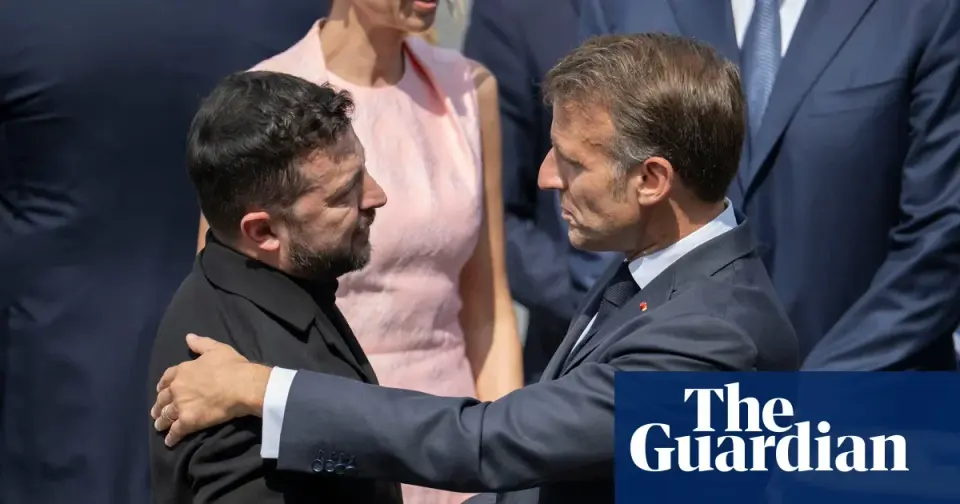
French President Emmanuel Macron promised to accelerate the delivery of interceptor missiles to Ukraine following a call with Volodymyr Zelenskyy. The pledge comes after a deadly Russian strike on a shopping center in Kryvyi Rih killed 16 people, marking the highest civilian death toll since the war's early months. Macron expressed horror over the attack and confirmed France's commitment to the Anti-Missile Coalition, which aims to provide a cheaper European alternative to US Patriot systems. Zelenskyy thanked Macron for agreeing to license missile production in Kyiv and for facilitating diplomatic channels with other partners. The two leaders also discussed funding for defense and potential diplomatic steps with the US, though Washington's focus on Iran has stalled direct Kyiv-Moscow talks. A Coalition of the Willing meeting is scheduled for Monday to coordinate further pressure on Moscow.
Key points
- Macron and Zelenskyy held a two-hour call on August 22 to discuss accelerating the delivery of French air defense equipment and missiles.
- France is advancing the deployment of the SAMP/T system and licensing Kyiv to manufacture interceptor missiles as part of a 10-nation European coalition.
- A Russian strike on a shopping center in Kryvyi Rih killed 16 people and injured over 130, with four still missing, prompting Macron to express 'horror' and 'emotion'.
- Zelenskyy confirmed that France will help communicate with other partners holding Patriot missiles, addressing Kyiv's critical shortage of interceptors for high-speed ballistic threats.
- The US has stalled on brokering peace talks due to its conflict with Iran, leading European allies to plan a virtual and in-person meeting on Monday to ramp up pressure on Russia.
- Ukrainian drones struck targets in Russia, including an Ozon warehouse and a bus in Crimea, while Russian strikes killed at least 20 people across Ukraine on Friday and Saturday.
Background
This escalation follows a series of intense Russian attacks in August 2026, including a major barrage on Kyiv on August 5 that killed 17 people and highlighted Ukraine's depleted interceptor stocks. Previous reports indicated that while Ukraine successfully intercepted 90% of cruise missiles, it lacked the capability to stop high-speed ballistic missiles, leading to significant civilian casualties. The current situation reflects a broader trend of intensifying strikes on civilian infrastructure, with the UN reporting that civilian deaths have reached their highest level since the initial invasion phase.
How outlets are covering it
The Guardian and Politico emphasize the diplomatic dimension, highlighting Macron's role in coordinating the Anti-Missile Coalition and the upcoming Coalition of the Willing meeting. France 24 focuses on the immediate humanitarian impact, detailing the 'double-tap' nature of the Kryvyi Rih attack and the subsequent rescue efforts. Ukrainian Pravda provides a more detailed account of the bilateral call, noting that Zelenskyy and Macron discussed funding for defense and specific diplomatic steps with the US administration, suggesting a continued effort to keep diplomatic channels open despite stalled formal talks. All sources agree on the urgency of air defense but differ in emphasis: Western outlets focus on the supply chain and coalition dynamics, while Ukrainian media highlights the direct communication between leaders and the need for financial support.
Why it matters
The pledge to accelerate interceptor deliveries signals a shift in European strategy to reduce reliance on US-supplied Patriots, which are in short supply. The high civilian death toll in Kryvyi Rih, Zelenskyy's hometown, underscores the escalating risk to civilian populations and may influence public opinion and political will in European capitals. The coordination between France, Germany, and the UK through the Coalition of the Willing indicates a unified European front, even as US diplomacy stalls. This development could set a precedent for European-led defense initiatives, potentially reshaping the balance of power in the conflict and the broader geopolitical landscape.
What to watch
A Coalition of the Willing meeting is scheduled for Monday, where leaders including Macron, the German and UK counterparts, and European Council President António Costa will discuss further support for Ukraine. France is expected to finalize the licensing of missile production in Kyiv and accelerate the delivery of SAMP/T systems. Diplomatic efforts may resume as European leaders seek to open additional channels with the US, though progress is uncertain given Washington's focus on Iran. Russia is likely to continue its campaign of strikes on civilian infrastructure, potentially leading to further escalations and retaliatory drone attacks by Ukraine on Russian economic targets.
- Ukraine war briefing: Macron focuses on delivery of missile interceptors as Russian attacks intensify The Guardian
- France agrees to accelerate air defence deliveries to Ukraine, Zelenskiy says Reuters
- Macron says France will deliver interceptor missiles to Ukraine after new Russian strikes France 24
- Zelenskyy speaks with Macron for two hours: faster aid deliveries and diplomacy Українська правда
- France to ramp up Ukraine support, says Macron politico.eu
Want the full story? Read the original reporting
Read on The Guardian