
Japan scrambles jets after Russian aircraft breach airspace near Fukuoka
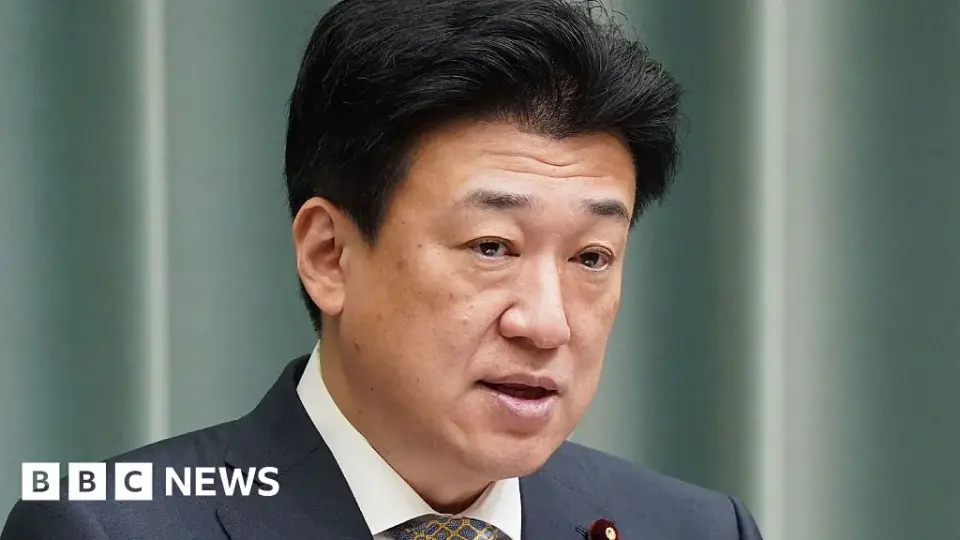
Japan launched fighter jets and lodged a stern protest after two suspected Russian aircraft entered its airspace near Fukuoka for several minutes. The incident, described as a serious sovereignty infringement, occurred alongside similar detections in South Korea and Taiwan air defense zones. This escalation heightens tensions between Tokyo and Moscow ahead of the APEC summit in China.
Key points
- Two suspected Russian aircraft violated Japanese airspace near Okinoshima Island in Fukuoka Prefecture early Tuesday, lasting approximately three to five minutes.
- Japan’s Defense Minister Shinjiro Koizumi stated the planes flew across the Tsushima Strait and between Yonaguni Island and Taiwan before exiting into the Pacific.
- Chief Cabinet Secretary Minoru Kihara called the breach 'completely unacceptable' and a threat to national security, prompting an 'extremely stern protest' to Moscow.
- South Korea and Taiwan reported Russian aircraft entering their respective air defense identification zones but confirmed no sovereign airspace was violated in their territories.
- The incident occurs amid deteriorating Japan-Russia relations, including a detained Japanese journalist and Russian state control of Japan Tobacco subsidiaries, ahead of the APEC summit.
Background
This incident follows a pattern of rising tensions between Japan and Russia since August 2026, when President Vladimir Putin visited Iturup, a disputed island. Relations further soured in October after a Japanese journalist was arrested in Russia on spying allegations and in November after Russia placed Japan Tobacco subsidiaries under state management. The previous confirmed Russian airspace violation occurred in September 2024 near Hokkaido. The current event precedes the APEC economic summit in China, where both Putin and US President Donald Trump are expected to attend.
How outlets are covering it
BBC and AP News emphasize the diplomatic fallout, noting Japan's 'strongly' protested response and the broader context of APEC. AP highlights the deteriorating bilateral relations, citing the journalist arrest and Japan Tobacco seizure. Japan Wire (Kyodo) provides specific technical details, noting the incursion lasted between 4:07 and 4:12 a.m. and that fighters issued radio warnings. All sources agree on the sequence of events but differ in emphasis: BBC focuses on the sovereignty aspect, AP on the diplomatic deterioration, and Kyodo on the operational response and flight path. No source reports a Russian response to the protest.
Why it matters
The airspace breach signals a potential escalation in military posturing by Russia in the Asia-Pacific region. It tests the readiness of Japan’s Self-Defense Forces and highlights the fragility of security arrangements in the region. The timing, just before the APEC summit, may influence diplomatic negotiations and defense cooperation among Japan, the US, South Korea, and Taiwan. It also underscores the ongoing territorial and political disputes between Tokyo and Moscow, which have prevented a peace treaty since World War II.
What to watch
Japan has demanded preventive measures from Moscow and stated it will maintain 'thorough vigilance' and surveillance of Russian military movements. The incident may influence the tone of discussions at the APEC summit in China. There is no immediate indication of a Russian response, but continued monitoring of Russian activity is expected. The detained Japanese journalist remains in custody, and the dispute over Japan Tobacco assets is unresolved.
- Japan sends up jets after alleged Russian incursion of its airspace BBC
- Japan scrambles jets to counter suspected Russian aircraft DW.com
- Tokyo protests after two suspected Russian aircraft violate Japanese airspace in southwestern Japan AP News
- Japan scrambles fighters after suspected Russian military planes enter airspace The Japan Times
- 2 suspected Russian aircraft violate Japan airspace as ties sour Japan Wire by Kyodo News
Want the full story? Read the original reporting
Read on BBC