
MINURSO Withdrawal Marks End of 35-Year UN Presence in Western Sahara
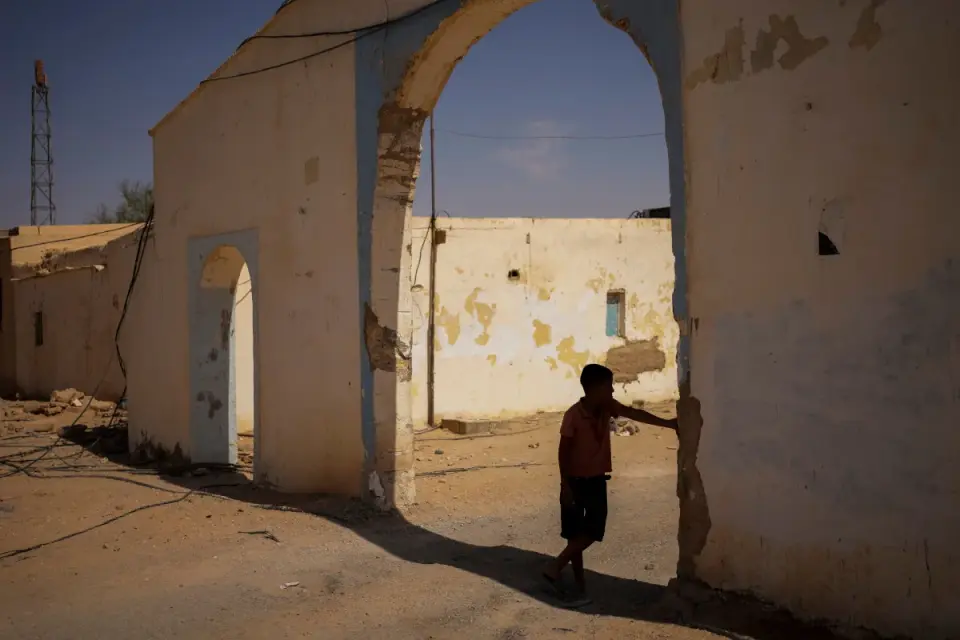
The UN peacekeeping mission MINURSO ceased operations on November 1, 2026, after 35 years, following a Security Council deadlock where Russia vetoed a US-backed resolution supporting Morocco's autonomy plan, and a Russian counter-draft failed to gain sufficient votes. The withdrawal raises concerns about regional stability, with the UN urging restraint while Morocco celebrates the outcome and Algeria and the Polisario Front condemn it as biased.
Key points
- MINURSO, established in 1991 to monitor a ceasefire and prepare a referendum, ended its mandate at midnight on October 31, 2026, after the UN Security Council failed to renew it.
- Russia vetoed a US draft resolution that would have extended the mission, removed 'referendum' from its name, and centered Morocco's autonomy proposal, despite 11 of 15 council members supporting it.
- A rival Russian resolution to extend the existing mandate failed to secure the required nine votes, leading to the abrupt end of the mission's mandate.
- The UN Secretary-General warned of potential escalation of hostilities and urged all parties to exercise maximum restraint, while confirming the UN remains ready to support peace efforts through the Secretary-General's Personal Envoy, Staffan de Mistura.
- Morocco's royal palace welcomed the non-renewal as a 'significant development' in withdrawing the issue from the Security Council, while Algeria and the Polisario Front condemned the decision as biased and unacceptable.
Background
Western Sahara, a desert territory roughly the size of Colorado, has been a disputed region since Spain's withdrawal in 1975. Morocco administers nearly all of the territory, while the Polisario Front, backed by Algeria, seeks independence for the Sahrawi people. The 1991 UN-brokered ceasefire led to the creation of MINURSO, but a planned referendum on self-determination never took place due to disagreements over voter eligibility. The mission had been repeatedly extended since its inception, with 20 personnel losing their lives over its 35-year history. The dispute has become a central issue in Morocco-Algeria relations, with the two countries severing diplomatic ties in 2021.
How outlets are covering it
AP News and UN News report on the abrupt end of MINURSO following the Security Council deadlock, emphasizing the UN's concerns about security and the need for restraint. Al Jazeera highlights the US-Russia standoff, noting that the US draft was supported by 11 of 15 council members, including France and the UK, while Russia's veto was described as 'life-saving' by its ambassador. Morocco's royal palace views the non-renewal as a positive step, while Algeria and the Polisario Front criticize the US draft as biased. The US ambassador called the status quo 'unacceptable,' while Russia's ambassador argued the US draft favored one side. The UN Secretary-General expressed gratitude to MINURSO personnel and confirmed the UN's continued commitment to a peaceful resolution.
Why it matters
The end of MINURSO removes a key international presence in a region with ongoing tensions and low-intensity hostilities since the Polisario withdrew from the ceasefire in 2020. The withdrawal risks further straining Morocco-Algeria relations and fueling an arms race, as Algeria arms and funds the Polisario Front. The dispute remains a defining feature of Morocco's diplomacy, with the kingdom measuring its relations with other countries by their position on the issue. The UN's continued involvement through the Secretary-General's Personal Envoy aims to prevent escalation and support dialogue, but the absence of a peacekeeping mission raises concerns about the stability of the region.
What to watch
The UN will oversee the orderly withdrawal of MINURSO assets and equipment through a smaller team reporting to the Department of Operational Support. The Secretary-General's Personal Envoy, Staffan de Mistura, will continue efforts to advance dialogue and pursue a peaceful resolution. All parties are urged to exercise maximum restraint to prevent escalation of hostilities. The future of the Western Sahara dispute remains uncertain, with the absence of a peacekeeping mission potentially increasing tensions between Morocco and Algeria.
- UN’s peacekeeping mission in Western Sahara ends after 35 years following US-Russia standoff AP News
- UN peacekeeping mission in Western Sahara ends after 35 years, UN chief says Reuters
- UN warns of security risks in Western Sahara as peacekeeping mission ends Al Jazeera
- Statement on a U.S.-Drafted UN Security Council Resolution on the Western Sahara Vetoed by the Russian Federation United States Mission to the United Nations (.gov)
- Western Sahara: UN ‘stands ready’ to keep supporting peace efforts as MINURSO mission ends UN News
Want the full story? Read the original reporting
Read on AP News