
Salvadoran forces reject identification of remains found in Haiti as missing GSF technicians
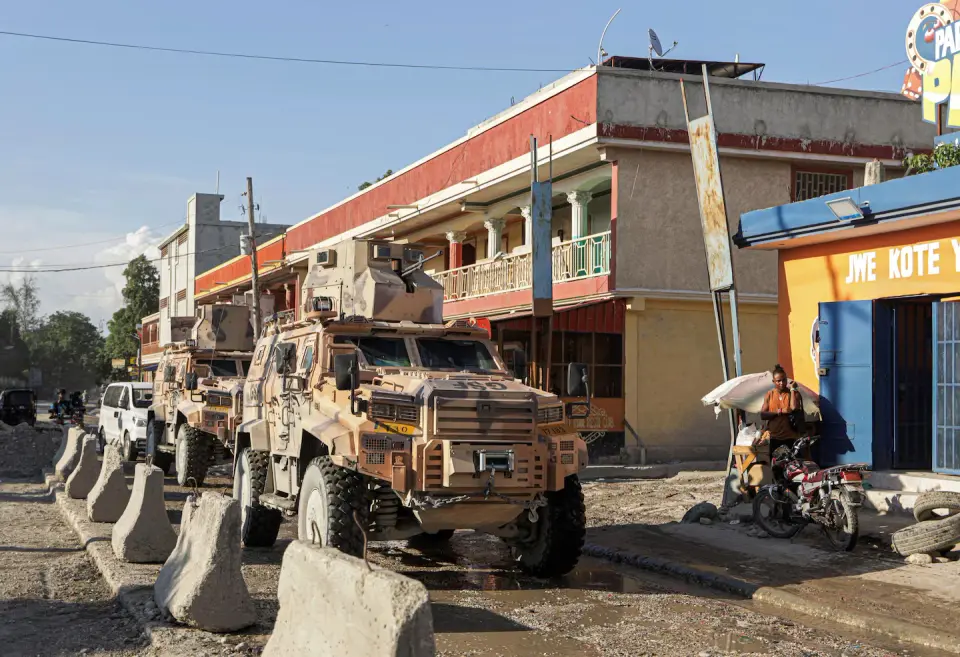
Human remains delivered to Salvadoran forces in Haiti do not appear to belong to the four missing aviation technicians, according to President Nayib Bukele. The bodies, handed over by a non-governmental organization, included a child and individuals with foreign military identification, contradicting earlier reports that the remains were the hostages. The four technicians were ambushed by gangs on October 18 in Croix-des-Bouquets while part of the UN-backed Gang Suppression Force (GSF). Bukele stated the mission's goal remains to recover the men alive, not to engage in combat. Approximately 450 Salvadoran soldiers have been deployed to Haiti to support the rescue effort. The GSF, established by the UN Security Council in 2025, consists of 5,500 personnel from various nations. Gang violence in Haiti has worsened since the 2021 assassination of the president, with over 5,700 people killed or injured by gangs or operations against them between January and September 2026.
Key points
- President Nayib Bukele stated that the human remains delivered to Salvadoran forces in Haiti are not the four missing aviation technicians.
- The remains included a child and individuals with foreign military identification, contradicting earlier reports that the bodies were the hostages.
- The four technicians were ambushed by gangs on October 18 in Croix-des-Bouquets while part of the UN-backed Gang Suppression Force (GSF).
- Approximately 450 Salvadoran soldiers have been deployed to Haiti to support the rescue effort.
- The GSF, established by the UN Security Council in 2025, consists of 5,500 personnel from various nations.
- Gang violence in Haiti has worsened since the 2021 assassination of the president, with over 5,700 people killed or injured by gangs or operations against them between January and September 2026.
Background
The four missing technicians were part of the UN-backed Gang Suppression Force (GSF), which was established by the UN Security Council in 2025 to help Haiti fight gang violence. The GSF consists of 5,500 military or police personnel and 50 civilians from various nations. El Salvador is one of the countries that agreed to provide personnel. The technicians were ambushed by gangs on October 18 in Croix-des-Bouquets, an area controlled by armed groups. No gang has claimed responsibility for the attack. The incident is the first major battlefield loss for the international force since its deployment. Bukele has warned that a more forceful response is imminent if the hostages are not returned alive. The UN reported that more than 5,700 people have been killed or injured by gangs or during operations against them between 1 January and 11 September 2026.
How outlets are covering it
The Washington Post reported that at least some of the human remains found last week appear not to belong to the aviation technicians serving in the UN-approved, U.S.-backed force. BBC reported that El Salvador's president Nayib Bukele said the bodies handed to Salvadoran forces in Haiti were 'not our men', and that one of the corpses was a child's and another was wearing a different country's army uniform. CNN reported that El Salvador has deployed troops to Haiti to try to rescue four Salvadoran service members believed to have been captured by Haitian gangs, and that the GSF has been carrying out a dayslong operation to try to find them. The New York Times reported that the bodies found on the outskirts of the Haitian capital, Port-au-Prince, on Saturday were thought to belong to the missing men, but that the bodies delivered to the military contingent had been badly burned, meaning a medical examination would be required to identify them. The New York Times cited one unnamed source briefed on the situation as saying the ID posted by Bukele in fact belonged to a soldier who had lost it when he had been injured.
Why it matters
The confusion over the identity of the remains highlights the challenges faced by the UN-backed Gang Suppression Force (GSF) in Haiti, where gang violence has worsened since the 2021 assassination of the president. The incident also raises questions about the effectiveness of the GSF in protecting its personnel and the safety of the mission. The deployment of Salvadoran troops to Haiti underscores the international community's commitment to addressing gang violence in the country, but also highlights the risks and challenges of such operations. The situation in Haiti remains volatile, with over 5,700 people killed or injured by gangs or operations against them between January and September 2026.
What to watch
The UN-backed Gang Suppression Force (GSF) is expected to continue its search for the four missing technicians. Salvadoran forces are likely to remain in Haiti to support the rescue effort. The situation in Haiti is expected to remain volatile, with gang violence continuing to pose a significant threat to the safety of the GSF and the local population. The UN is expected to continue monitoring the situation and providing support to the GSF. The international community is expected to continue supporting the GSF and the efforts to address gang violence in Haiti.
- Confusion in Haiti over whether bodies belong to missing Salvadoran soldiers The Washington Post
- Bodies of ambushed Salvadoran soldiers found in Haiti, New York Times reports Reuters
- Bukele Issues Harsh Warning to Haitian Gangs The New York Times
- El Salvador president says bodies found in Haiti are not those of hostages BBC
- El Salvador sends troops to Haiti to rescue four service members CNN
Want the full story? Read the original reporting
Read on The Washington Post