
Netanyahu Trial: Judges Urge AG to Drop Charges, but Outcome Uncertain
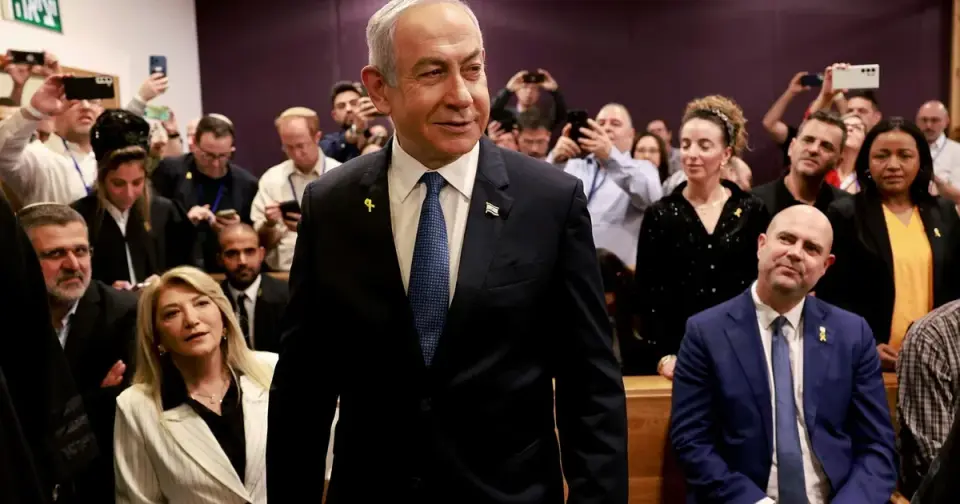
Israeli judges have recommended that prosecutors drop the most serious bribery charges against Prime Minister Benjamin Netanyahu, citing low chances of conviction. They also questioned the criminal validity of a second case and suggested a plea deal for a third. Attorney General Gali Baharav-Miara must now decide whether to accept these recommendations, a move that could end a trial that has dominated Israeli politics for nearly a decade. However, legal experts warn that dropping the charges may not end the trial, as Netanyahu is unlikely to accept a plea deal without a guaranteed outcome, and the prosecution could still appeal.
Key points
- The Jerusalem District Court judges recommended that Attorney General Gali Baharav-Miara drop Case 4000 (bribery) entirely, seek a plea deal in Case 2000 (fraud and breach of trust), and reconsider the fraud charges in Case 1000 (gifts from Arnon Milchan).
- The judges cited 'evidentiary difficulties' and 'low chances of conviction' for Cases 4000 and 2000, particularly noting that Walla’s coverage of Netanyahu was not 'unusually compliant' as alleged in the indictment.
- Attorney General Baharav-Miara, who was summoned to court to hear the judges’ statement in person, has not yet announced a decision. She has previously resisted similar judicial suggestions in 2023 and 2025.
- Netanyahu, who has pleaded not guilty to all charges, welcomed the judges’ recommendation as a 'vindication' and called for the trial to end immediately. He has been a caretaker prime minister since losing his parliamentary majority in the October 2026 elections.
- Legal experts warn that dropping the charges may not end the trial, as Netanyahu is unlikely to accept a plea deal without a guaranteed outcome, and the prosecution could still appeal to the Supreme Court. The trial has spanned nearly a decade, with 98 hearings and over 60,000 pages of transcripts.
Background
The corruption trial against Netanyahu began in May 2020, after he was indicted in January 2019. The cases cover bribery, fraud, and breach of trust across three files: Case 1000 (gifts from Arnon Milchan and James Packer), Case 2000 (media deal with Yedioth Ahronoth publisher Arnon Mozes), and Case 4000 (regulatory favors for Bezeq/Walla owner Shaul Elovitch in exchange for positive coverage). The trial has dominated Israeli politics for nearly a decade, enduring multiple wars, elections, and two U.S. presidencies. Netanyahu began testifying in December 2024 and had previously requested a presidential pardon from Isaac Herzog in late 2025.
How outlets are covering it
The Guardian emphasizes the unprecedented nature of the judges’ intervention and the potential damage to media independence and accountability for politicians. It quotes legal correspondent Yael Freidson, who argues that the judges’ position 'effectively means abandoning the media to the whims of politicians and publishers, and setting an impossible bar for conviction in corruption cases.' The Times of Israel, in contrast, focuses on the practical implications for the prosecution, noting that dropping the charges may not end the trial, as Netanyahu is unlikely to accept a plea deal without a guaranteed outcome, and the prosecution could still appeal. It quotes former deputy state attorney Nurit Litman, who argues that the prosecution should not drop the charges if it believes the judges to be wrong. Haaretz provides a broader overview of the allegations and the judges’ recommendations, without taking a strong stance on the outcome.
Why it matters
The outcome of the trial could have significant implications for Israeli politics, as Netanyahu’s political future is tied to the trial’s outcome. A plea deal or acquittal could allow him to continue serving as prime minister, while a conviction could end his political career. The trial has also raised questions about the independence of the judiciary and the media, and the potential for political interference in legal proceedings.
What to watch
Attorney General Gali Baharav-Miara is expected to announce a decision on the judges’ recommendations in the coming weeks. If she decides to drop the charges, the trial may end, but if she decides to continue, the case could proceed to a verdict or a plea deal. The outcome will also depend on whether Netanyahu is willing to accept a plea deal, and whether the prosecution is willing to appeal to the Supreme Court.
- Netanyahu Trial Bombshell : Could the Charges Collapse? Haaretz
- Momentous decision looms after judges call for Netanyahu charges to be dropped The Guardian
- Analysis • Netanyahu's Iran stance remarkably jibes with his interests. Enter the IDF chief Haaretz
- Judges in Israel Suggest Dropping Key Corruption Case Against Netanyahu The New York Times
- After court undercut prosecution, end to Netanyahu’s trial might be further away, not closer The Times of Israel
Want the full story? Read the original reporting
Read on Haaretz