
Salvadoran forces secure Haiti stadium after robot dog deployment
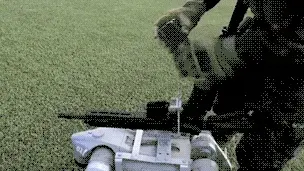
El Salvador and Haiti jointly retake the Sylvio Cator Stadium from gang control, with Salvadoran troops now securing the site. President Bukele claims the operation used armed robotic dogs and followed an airstrike on a major gang headquarters, though human rights groups question the legality of the deployment.
Key points
- Salvadoran and Haitian forces regained control of the Sylvio Cator Stadium in Port-au-Prince, ending two years of gang occupation.
- President Nayib Bukele released video showing robotic dogs equipped with rifles moving through the stadium during the operation.
- The stadium is now being used as an operational base for further security advances into gang-controlled territory.
- Bukele claimed human remains were found inside the stadium, though details on how the robots assisted remain unclear.
- The operation follows a recent airstrike on a complex identified as the headquarters of the 400 Mawozo gang.
Background
El Salvador deployed approximately 2,000 soldiers to Haiti in October 2026 to rescue four technicians abducted by gangs. This deployment has evolved into a broader anti-gang campaign, drawing scrutiny from human rights organizations over its legality and lack of UN oversight. Haiti has faced severe gang violence, with over 5,700 people killed or injured by gangs or counter-gang operations this year.
How outlets are covering it
Fox News emphasizes the use of armed robotic dogs and Bukele’s claim of finding human skulls, framing the operation as a decisive victory. BBC and France 24 focus on the broader context of the deployment, noting that while the stadium was retaken, the legality of Salvadoran forces operating outside UN command structures remains contested. BBC highlights that the gang leader was not present during the airstrike, while France 24 notes the stadium had been under gang control for two years, forcing the national football team to play abroad. All sources agree on the joint nature of the operation but differ in emphasis on the tactical specifics versus the legal and humanitarian implications.
Why it matters
The operation signals a shift in El Salvador’s foreign policy, using military force to address gang violence abroad. It raises questions about the legality of unilateral military actions in sovereign nations and the potential for increased civilian casualties. The use of advanced technology like armed robots in a conflict zone also marks a new precedent in anti-gang operations.
What to watch
Salvadoran forces are expected to maintain a security presence at the stadium and use it as a base for further operations. The outcome of the search for the four missing technicians remains unresolved, and human rights organizations may continue to press for transparency and compliance with international law.
- Robot dogs mounted with rifles deployed in anti-gang stadium operation in Haiti Fox News
- El Salvador has built up a military presence in Haiti. What's in it for the Central American country? DW.com
- Haitian PM praises El Salvador after joint strike on alleged home of gang leader BBC
- El Salvador’s Presence and a Gang’s Offer Test Haiti’s Security Americas Quarterly
- Haitian police retake national stadium after two years of gang control France 24
Want the full story? Read the original reporting
Read on Fox News