
Somalia Orders UAE Ambassador to Depart in 72 Hours Amid Port Dispute
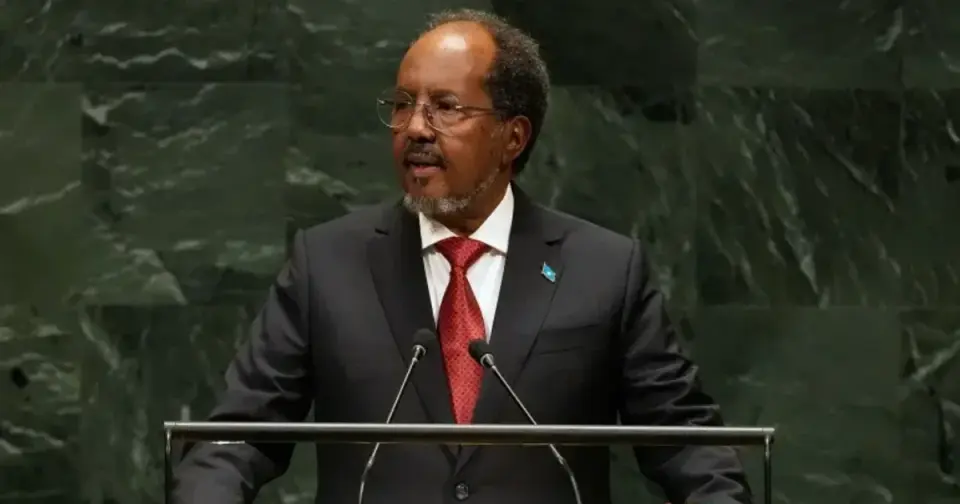
Somalia has ordered the UAE ambassador to leave within 72 hours and recalled its own envoy from Abu Dhabi, escalating a diplomatic rift over port investments and security cooperation. The dispute centers on a $442 million DP World investment in the Berbera port, which is located in Somaliland, a region that rejected Mogadishu's earlier decision to cancel agreements with Abu Dhabi. While Somalia's information minister described UAE actions as an 'open invasion,' the UAE denies interfering in Somali affairs. The move follows a January cancellation of port and defense deals, though DP World maintains that operations at Berbera continue under existing contracts. The conflict highlights tensions over foreign partnerships in strategic Red Sea and Gulf of Aden shipping routes, with regional administrations like Puntland and Jubbaland opposing Mogadishu's stance.
Key points
- Somalia's government ordered the UAE ambassador to leave within 72 hours and recalled its envoy from Abu Dhabi.
- The dispute involves a $442 million investment by Dubai-based DP World in the Berbera port, located in Somaliland.
- Somalia's information minister described UAE actions as an 'open invasion,' though specific actions were not detailed.
- In January, Somalia cancelled agreements with the UAE covering port operations and security cooperation in Berbera, Bosaso, and Kismayo.
- Somaliland, Puntland, and Jubbaland rejected Mogadishu's decision to cut ties, with Puntland stating its relationship with the UAE remains unaffected.
- DP World stated that operations at Berbera continue under existing agreements, and the impact of the latest diplomatic order on the investment plan remains unconfirmed.
Background
This escalation follows a broader pattern of diplomatic friction between Somalia and the UAE, which has invested in port and military infrastructure in the region. In January, Somalia cancelled agreements covering port operations and security cooperation, citing Emirati ties with regional administrations that oppose the federal government. The dispute reflects a wider contest over control of foreign partnerships and strategic infrastructure in the Red Sea and Gulf of Aden, areas critical for trade between the Red Sea, the Gulf, and the Indian Ocean. Earlier in 2026, Somalia also faced security challenges, including a resurgence of piracy in the Indian Ocean, which prompted international naval responses. Additionally, the UAE has been involved in other regional disputes, such as the Sudan conflict, where its diplomatic representative faced criticism for denying evidence linking Abu Dhabi to the war.
Why it matters
The diplomatic row underscores the fragility of foreign partnerships in a region where strategic infrastructure is contested by multiple actors. The Berbera port's location in Somaliland, which is not recognized as an independent state by most countries, complicates Mogadishu's ability to assert authority over foreign investments. The dispute also highlights the broader geopolitical significance of the Red Sea and Gulf of Aden shipping routes, which are vital for global trade. If the diplomatic order leads to changes in port operations or security cooperation, it could disrupt trade flows and affect regional stability. The unresolved nature of the dispute, with DP World maintaining operations under existing agreements, suggests that the conflict may persist, influencing future foreign partnerships in the region.
What to watch
The situation may escalate if Somalia's 72-hour deadline for the UAE ambassador's departure is enforced, potentially leading to further diplomatic actions. The impact on the $442 million Berbera investment and port operations remains uncertain, as DP World has not announced any changes to its plans. Regional administrations like Somaliland, Puntland, and Jubbaland may continue to oppose Mogadishu's stance, complicating efforts to resolve the dispute. The UAE's denial of interference and Somalia's accusations of an 'open invasion' suggest that the diplomatic rift may persist, with potential implications for security cooperation and foreign partnerships in the region. Monitoring the enforcement of the 72-hour deadline and any changes in port operations will be crucial in determining the next steps.
Want the full story? Read the original reporting
Read on Business Insider Africa