
South Korea Accused of Fueling Russian War Machine via Sanctioned Tankers
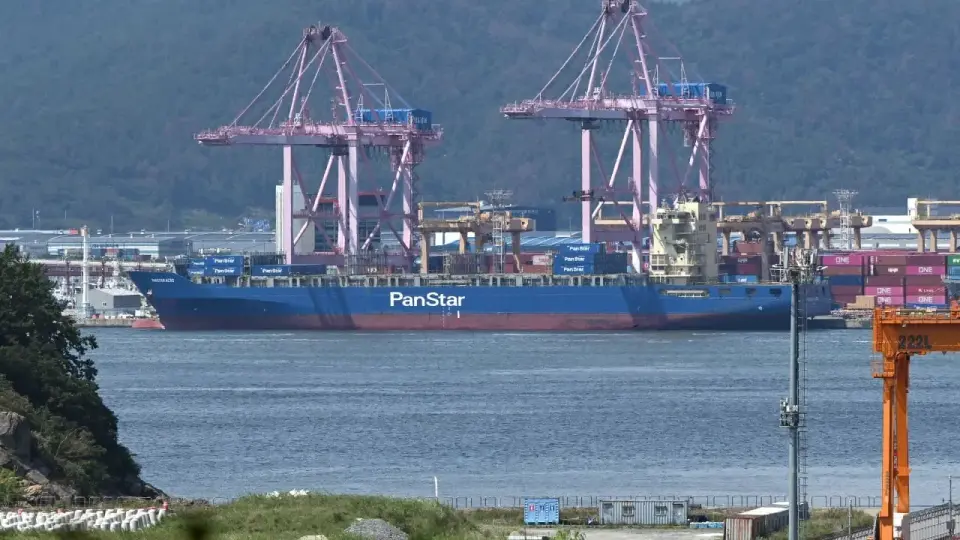
Ukraine’s sanctions commissioner, Vladyslav Vlasiuk, accused South Korea of supplying 176,000 tons of fuel to Russia in July and August, helping Moscow offset a severe fuel crisis caused by Ukrainian drone strikes on refineries. The Guardian’s analysis of port records confirmed these shipments, noting that three of the seven tankers used were under UK and EU sanctions. South Korea’s Foreign Ministry denied wrongdoing, stating it strictly enforces export controls, but the incident has strained Seoul-Kyiv relations amid a separate dispute over North Korean prisoners.
Key points
- Vlasiuk stated that South Korean fuel imports accounted for 31% of Russia’s total fuel imports in August, directly offsetting losses from Ukrainian strikes on refining capacity.
- The Guardian identified seven tankers making 14 voyages from South Korean ports to Russia’s far east, with three vessels subject to Western sanctions.
- Some shipments used ship-to-ship transfers in South Korean waters to obscure cargo origins, a method often used to evade sanctions.
- South Korea’s Foreign Ministry defended its position, claiming it expanded export controls to 1,402 non-strategic items, but did not address the specific sanctioned tankers.
- The fuel crisis stems from Ukrainian drone campaigns that reduced Russian refinery throughput to its lowest level in over 20 years.
Background
This development follows a series of Ukrainian strikes on Russian refineries in late September 2026, including facilities in Rostov and Krasnodar, which deepened Moscow’s fuel shortage. Earlier in September, President Trump claimed a pause in energy strikes, though Ukraine questioned the formal status of such an agreement. The current fuel crunch has forced Russia to ban diesel and gasoline exports, creating a vacuum that South Korean shipments appear to have filled.
How outlets are covering it
The Jerusalem Post and The Guardian align on the core facts, citing Vlasiuk’s claims and port data. The Guardian provides granular details on specific vessels, such as the sanctioned 'Layla' and 'Astoria,' and notes that buyers included Rosneft. TVP World corroborates the volume and the use of shadow fleet tactics but emphasizes that the shipments do not appear to breach South Korean law. While The Guardian frames the issue as undermining Seoul’s support for Ukraine, South Korea’s official response focuses on its broad export control regime, avoiding direct engagement with the specific tanker allegations. The outlets differ in emphasis: The Guardian highlights the diplomatic fallout with Kyiv, while TVP World focuses on the technical aspects of sanctions evasion.
Why it matters
The incident exposes a potential loophole in Western sanctions enforcement, as South Korea, a key US ally, appears to be indirectly supporting Russia’s war effort through fuel supplies. This undermines the economic pressure strategy against Moscow and complicates diplomatic relations between Seoul, Kyiv, and Washington. It also highlights the effectiveness of Ukrainian drone strikes in disrupting Russian energy infrastructure, forcing Moscow to seek alternative, often illicit, supply chains to sustain its military operations.
What to watch
Seoul may face increased diplomatic pressure from Kyiv and Western partners to clarify its stance on the sanctioned tankers. Ukraine may escalate its rhetoric or seek further sanctions against South Korean entities involved in the trade. Russia may continue to rely on such imports to mitigate the impact of Ukrainian strikes, while South Korea may attempt to repair ties with Kyiv by addressing the prisoner dispute and clarifying its export control enforcement.
- South Korean fuel shipments help Russia ease fuel crisis during Ukraine strikes The Jerusalem Post
- Fuel from South Korea being shipped to Russia as Ukraine war grinds on The Guardian
- South Korea exports eased Russia fuel crisis caused by drone strikes, Ukraine says Reuters
- South Korea shipped fuel to Russia on sanctioned tankers TVP World
- South Korea shipped fuel to Russia via sanctioned vessels, media reports The Kyiv Independent
Want the full story? Read the original reporting
Read on The Jerusalem Post