
Trump claims Putin is struggling in a five-year war he says should have ended in a day
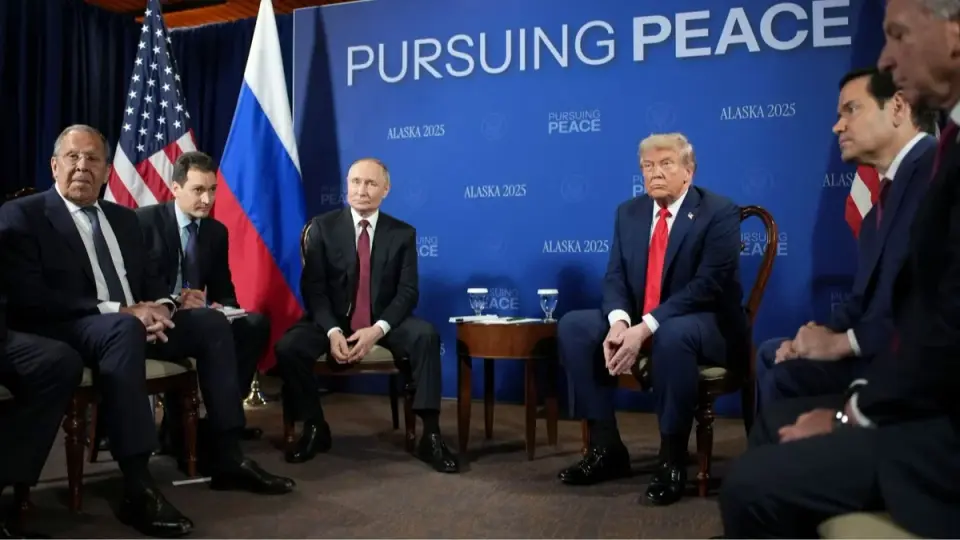
US President Donald Trump stated on November 20 that Russian President Vladimir Putin is 'having a hard time' due to the ongoing conflict in Ukraine, which Trump described as a war that should have lasted one day but has continued for five years. Speaking at a press conference, Trump asserted that he maintains a 'very good relationship' with Putin, citing Russia's status as the second-largest nuclear power holder. He claimed Putin has assured him of a desire to end the war through diplomatic means. These remarks follow a trilateral meeting in Shenzhen, China, where Trump greeted Putin warmly, calling him a friend, an action that drew sharp criticism from US Democrats and Ukrainian President Volodymyr Zelenskyy, who labeled Putin an enemy and killer.
Key points
- Trump described Putin as 'having a hard time right now' because the war in Ukraine has lasted five years instead of the one day he anticipated.
- The US President claimed he has a 'fantastic relationship' with Putin, noting that Russia possesses the second-largest nuclear arsenal in the world.
- Trump stated that Putin has assured him he wants to end the war against Ukraine through diplomatic channels.
- The comments followed a trilateral meeting in Shenzhen, China, on November 19, where Trump greeted Putin as a friend, sparking backlash from European allies and US Democrats.
- Ukrainian President Volodymyr Zelenskyy responded to Trump's friendly remarks by stating that Putin is an enemy and a killer to Ukraine.
Background
These remarks occur shortly after a trilateral meeting in Shenzhen, China, involving Trump, Putin, and Chinese President Xi Jinping on November 19. Prior to the meeting, Ukraine struck the Kerch Bridge for the third time in a week, damaging infrastructure and halting train services, while Putin vowed retaliation. The Shenzhen summit was viewed by some analysts as a diplomatic victory for Putin, who had been isolated since the 2022 invasion, though concerns persisted that Trump might prioritize optics over substantive security guarantees for Europe and Taiwan. Recent reports also indicated that Russian military units may have used AI to fabricate battlefield victories, complicating the assessment of the war's actual progress.
Why it matters
Trump's characterization of the conflict as a short-term event that has dragged on for years, combined with his emphasis on a personal relationship with Putin, highlights a significant divergence in diplomatic approaches between the US and its European allies. While Trump frames the ongoing war as a problem for Putin that he can resolve through personal rapport, critics and Ukrainian leaders view this stance as legitimizing a leader accused of war crimes and potentially undermining security guarantees for Europe. The tension between Trump's diplomatic overtures and the continued military escalation, including recent strikes on Russian infrastructure, underscores the complex and contradictory nature of current peace efforts.
What to watch
The focus will likely shift to whether the diplomatic assurances from Putin, as cited by Trump, translate into concrete negotiations or a cessation of hostilities. European allies and US Democrats will continue to monitor the US administration's stance, particularly regarding any potential concessions made during the Shenzhen summit. The outcome of the war, which Trump believes is nearing its end, will depend on whether diplomatic channels open or if military actions, such as the recent strikes on the Kerch Bridge, continue to escalate tensions.
Want the full story? Read the original reporting
Read on Українська правда