
Uganda to Withdraw Troops from Lubero Amid Diplomatic Row with DR Congo
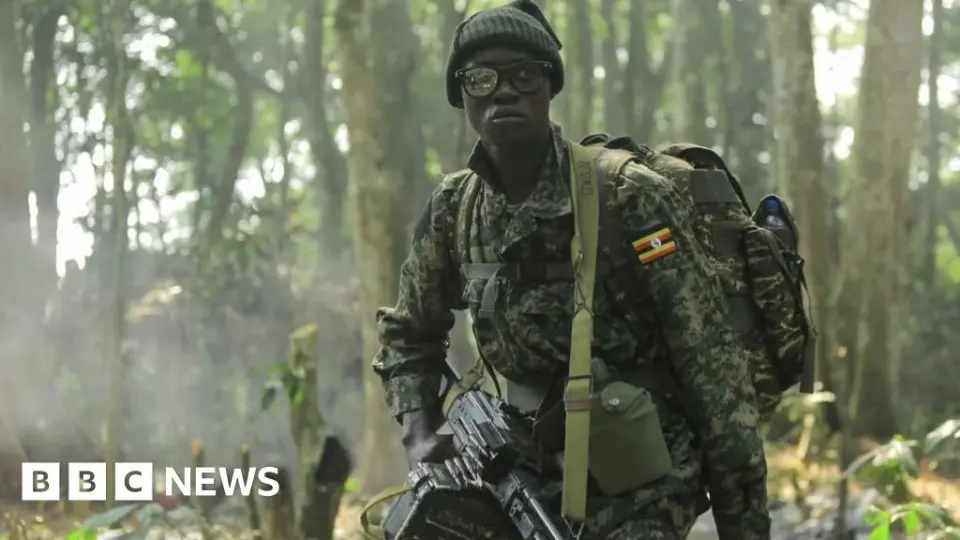
Uganda plans to withdraw its troops from Lubero, DR Congo, within two weeks, ending a nearly two-year campaign against the Allied Democratic Forces (ADF). This move follows a diplomatic dispute triggered by controversial social media posts from Ugandan military chief Gen. Muhoozi Kainerugaba, who appeared to support rebel groups in eastern DR Congo. The withdrawal is limited to Lubero, while joint military operations against the ADF will continue elsewhere in the region.
Key points
- Uganda's army announced a planned withdrawal of troops from Lubero, North Kivu, within two weeks, transferring security responsibilities to Congolese forces.
- The withdrawal follows a diplomatic row after Gen. Muhoozi Kainerugaba, son of President Yoweri Museveni, posted on social media supporting the Front for the Refoundation of the Nation (FRN) rebels and threatening to seize the mineral-rich town of Walikale.
- DR Congo summoned Uganda's top diplomat in Kinshasa, demanding official clarification and steps to prevent similar incidents, citing threats to national sovereignty.
- Ugandan military spokesperson Col. Chris Magezi stated that the joint Operation Shujaa campaign against the ADF will continue in other parts of DR Congo, despite the withdrawal from Lubero.
- The ADF, an Islamic State-affiliated group, remains the deadliest armed group in DR Congo, with an average of four civilian deaths per day, according to the Armed Conflict Location & Event Data (Acled) organization.
Background
Uganda first deployed troops to eastern DR Congo in November 2021 under Operation Shujaa, following bomb attacks in Kampala. The joint campaign has been ongoing for nearly five years. In 2024, similar tensions arose over threats against foreign mercenaries in Goma. Uganda has also recently initiated a phased withdrawal of troops from Somalia, ending a 20-year military presence.
How outlets are covering it
BBC reports the withdrawal as a response to escalating diplomatic tensions, noting that the Ugandan military did not explicitly link the withdrawal to the diplomatic row. Africanews emphasizes the diplomatic fallout, highlighting Kainerugaba's support for FRN rebels and his criticism of Western mercenaries. ChimpReports focuses on the UPDF's defense of Kainerugaba, with Col. Magezi accusing Congolese government-allied militias, including the Wazalendo, of killing civilians from the Bahema and Tutsi communities. ChimpReports also notes that the joint military operations against the ADF will continue, while BBC and Africanews highlight the broader diplomatic strain between the two countries.
Why it matters
The withdrawal from Lubero could impact security in eastern DR Congo, where the ADF remains a significant threat. The diplomatic row between Uganda and DR Congo could strain regional stability, especially given the ongoing conflict involving multiple armed groups. The continued joint operations against the ADF are crucial for addressing the group's expansion into previously unaffected areas and its growing interest in mineral resources.
What to watch
Uganda is expected to complete the withdrawal from Lubero within two weeks, with Congolese forces taking over security. The joint Operation Shujaa campaign against the ADF will continue in other parts of DR Congo. Diplomatic efforts, including a phone call between Ugandan and DR Congo foreign ministers, may help ease tensions. The ADF's expansion and financing through mineral resources remain key concerns for regional security.
- Uganda to withdraw troops from DR Congo town amid diplomatic row BBC
- DRC–Uganda tensions escalate as Kinshasa summons Ugandan diplomat Africanews
- DR Congo summons Ugandan envoy after army chief Muhoozi urges Kabila-led rebels to take Walikale IntelliNews
- Uganda-DRC Diplomatic Row: UPDF Defends Muhoozi, Accuses Wazalendo of Killing Civilians ChimpReports
- Uganda announces two-week timeline to pull forces out of DRC's Lubero Town Daily Monitor
Want the full story? Read the original reporting
Read on BBC