
UN Peacekeeping Mission in Western Sahara Ends After 35 Years Amid Security Council Deadlock
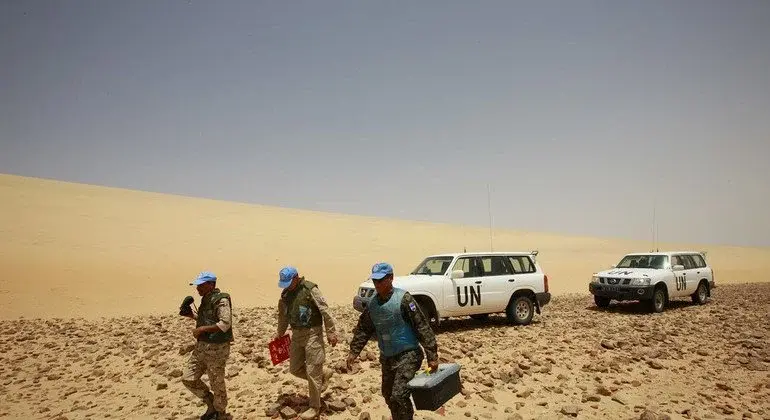
The UN Mission for the Referendum in Western Sahara (MINURSO) ceased operations on November 1, 2026, after 35 years, following a Security Council deadlock. Russia vetoed a US draft supporting Morocco’s autonomy plan, while a Russian counter-draft failed to gain sufficient votes. The UN warned of escalation risks, Morocco celebrated the outcome, and Algeria and the Polisario Front condemned it as biased.
Key points
- MINURSO’s mandate expired at midnight on November 1, 2026, after the Security Council failed to agree on its future.
- Russia vetoed a US-drafted resolution that would have supported Morocco’s autonomy proposal and removed 'referendum' from the mission’s name.
- A rival Russian resolution to extend the existing mandate failed to secure the nine votes needed for adoption.
- The UN Secretary-General’s spokesperson stated that the mission’s end does not abrogate the people’s right to self-determination.
- Morocco welcomed the non-renewal, while Algeria and the Polisario Front criticized the US draft as biased.
Background
MINURSO was established in 1991 to monitor a ceasefire and prepare for a referendum on Western Sahara’s future. The territory, roughly the size of Colorado, has been disputed between Morocco and the Polisario Front since Spain’s withdrawal in 1975. Morocco administers most of the territory, while the Polisario Front seeks independence. The UN classifies Western Sahara as a non-self-governing territory, and the dispute has been a central issue in Morocco’s foreign policy for decades.
How outlets are covering it
The UN emphasized that the mission’s end does not negate the right to self-determination and called for maximum restraint to prevent escalation. Morocco’s royal palace welcomed the non-renewal, calling MINURSO an 'instrument to internationalize the dispute' and urging the withdrawal of UN personnel. Algeria and the Polisario Front condemned the US draft as biased, with Algeria’s foreign ministry criticizing its 'excessive bias' toward Morocco. The Polisario Front’s representative at the UN welcomed Russia’s veto, arguing that the US proposal undermined Sahrawi self-determination. Oxfam warned that losing MINURSO’s monitoring functions risks undermining security and stability in the region.
Why it matters
The end of MINURSO marks a significant shift in the 50-year-old Western Sahara dispute, potentially escalating tensions between Morocco and Algeria. The UN’s continued involvement through the Secretary-General’s Personal Envoy, Staffan de Mistura, may influence future negotiations. The outcome also reflects broader geopolitical dynamics, with Morocco gaining support from Western capitals and the Polisario Front facing diminished international backing. The situation could impact regional stability and the future of the Sahrawi people’s right to self-determination.
What to watch
A liquidation period began on November 2, 2026, with a smaller team overseeing the disposal of UN equipment. The UN will continue working toward a peaceful resolution through Staffan de Mistura. Morocco is expected to consolidate its control over the territory, while the Polisario Front may face greater difficulties in securing international support. The UN has called for full cooperation from all parties to ensure an orderly withdrawal.
- Western Sahara: UN ‘stands ready’ to keep supporting peace efforts as MINURSO mission ends UN News
- UN's peacekeeping mission in disputed Western Sahara ends after 35 years NPR
- UN peacekeeping mission in Western Sahara ends after 35 years, UN chief says Reuters
- Why is Morocco celebrating the defeat of a UN resolution on Western Sahara? Al Jazeera
- Rival US and Russia resolutions on disputed Western Sahara are defeated in UN Security Council AP News
Want the full story? Read the original reporting
Read on UN News