
UN Security Council Deadlock: UK, France, and China Block UAE Candidate as Grynspan Remains Frontrunner
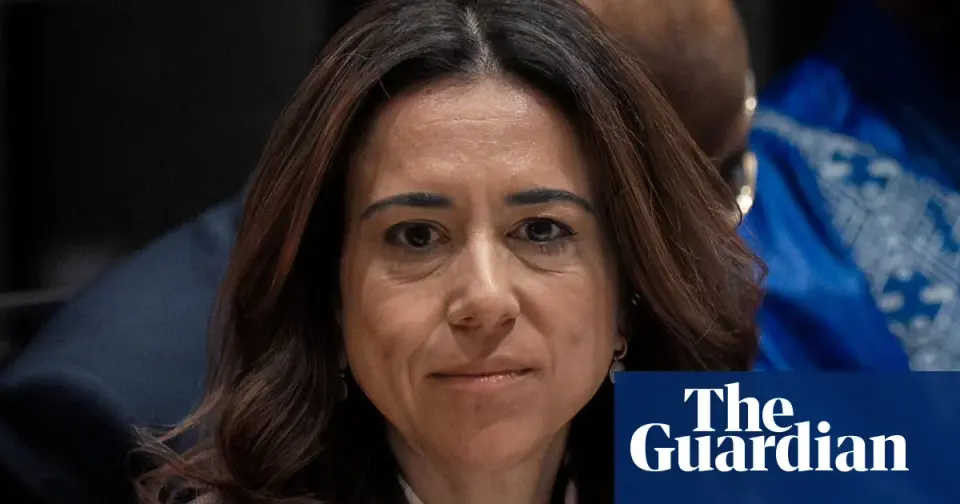
The search for a new UN Secretary-General remains deadlocked after the ninth straw poll failed to produce a consensus. Costa Rican candidate Rebeca Grynspan leads but faces opposition from the US and Russia. UAE diplomat Lana Nusseibeh was effectively vetoed by the UK, France, and China, likely due to Abu Dhabi’s alleged links to atrocities in Sudan. With Guterres’s term ending on December 31, the UN faces a potential leadership vacuum.
Key points
- Ninth straw poll shows no candidate has secured the required consensus from all five permanent Security Council members.
- Rebeca Grynspan received 10 'encourage' votes but two 'discourage' votes, believed to be from the US and Russia.
- UAE’s Lana Nusseibeh received seven 'encourage' votes but three 'discourage' votes from permanent members, likely the UK, France, and China.
- UK and France opposed Nusseibeh over UAE’s alleged support for the Rapid Support Forces in Sudan; China opposed her based on geographic rotation principles.
- Guterres’s term ends on December 31; failure to appoint a successor could leave the UN without a leader.
Background
The race to replace António Guterres has been prolonged by deep divisions among the P5 powers. Previous coverage noted UK MPs urging a veto against Nusseibeh due to her denial of UAE involvement in Sudan’s conflict. The selection process, dominated by secret ballots and veto power, has already exceeded 100 days, making it the longest in UN history. Guterres’s second term concludes on December 31, raising concerns about a leadership gap if no successor is appointed.
How outlets are covering it
The Guardian and The Times of Israel agree that Nusseibeh was effectively blocked by the UK, France, and China. The Guardian attributes the UK and France’s opposition to the UAE’s alleged links to atrocities in Sudan, while The Times of Israel notes Nusseibeh’s support from the US and Russia. Both outlets highlight Grynspan as the frontrunner but note her opposition from the US and Russia. The Times of Israel emphasizes the risk of a leaderless UN if no candidate is selected by December 31, while The Guardian focuses on the geopolitical implications of the veto. Neither outlet reports a formal conviction or guilty plea regarding the UAE’s actions in Sudan, framing the allegations as accusations from UN panels and rights groups.
Why it matters
The deadlock exposes deep divisions among the UN Security Council’s permanent members and raises the risk of a leadership vacuum. A failure to appoint a new Secretary-General by December 31 could undermine the UN’s ability to address global crises, including wars and budgetary challenges. The controversy over Nusseibeh’s candidacy also highlights tensions between diplomatic pragmatism and multilateral integrity, particularly regarding the UAE’s role in Sudan’s conflict.
What to watch
Another straw poll is scheduled for next week. If Grynspan can overcome the opposition from the US and Russia, she would become the first woman and first Jewish person to lead the UN. If no candidate secures consensus, the UN may consider extending Guterres’s term or appointing an interim leader, though analysts warn this could limit the organization’s ability to make senior appointments or manage its budget.
- UK and France believed to have vetoed UAE choice for UN secretary general | United Nations The Guardian
- Race for Next UN Chief Nears Deadlock as Jewish Frontrunner Faces Veto Haaretz
- Two veto-wielding powers reject Costa Rica's Grynspan as UN chief in poll, sources say Reuters
- China, France, Britain said to oppose UAE candidate for UN chief in secret vote The Times of Israel
- A New Twist in the Race for UN Secretary-General Global Dispatches
Want the full story? Read the original reporting
Read on The Guardian