
Lebanese Family Returns to Burned Home as Israeli Withdrawal Leaves Village in Ruins
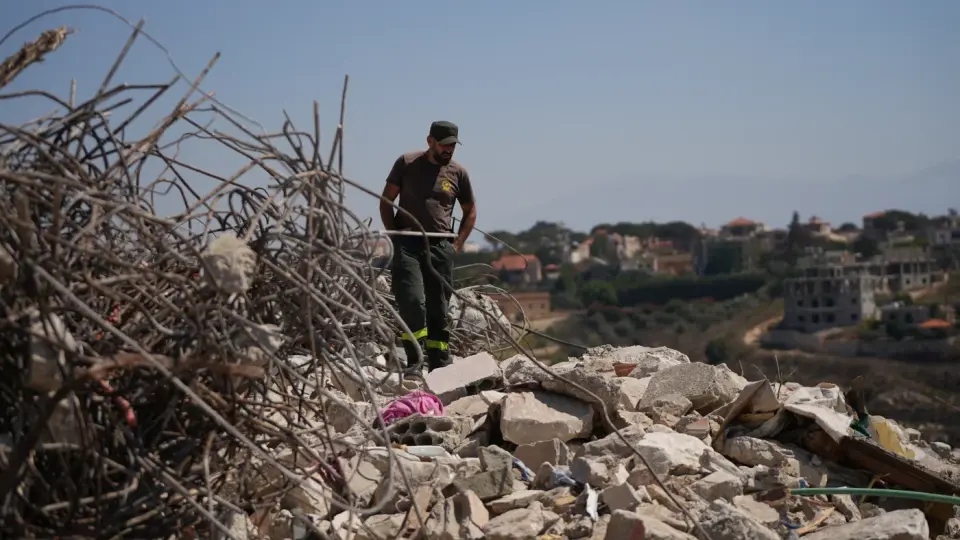
A Lebanese family in Zawtar al-Gharbiyah returned to their home in July to find it burned and destroyed by Israeli forces during a U.S.-brokered withdrawal. The incident highlights the severe damage inflicted on civilian infrastructure and the lack of state support for displaced residents.
Key points
- Atef Kadouh and his wife returned to their home in southern Lebanon in July after a U.S.-brokered ceasefire, only to find it set on fire and demolished by Israeli forces.
- The family’s youngest son, Adel Kadouh, a volunteer ambulance driver, was killed in a March drone strike along with four other medics while burying a deceased patient.
- Israeli forces left behind explosives, destroyed solar panels, and uprooted cash-crop trees, leaving the village without electricity or running water.
- The Lebanese army dismantled explosives left by Israeli forces but has not provided adequate protection or reconstruction support to the villagers.
- Residents feel abandoned by the Lebanese state and continue to face security threats from nearby Israeli military activity despite the ceasefire.
Background
This incident occurs amid ongoing tensions between Israel and Lebanon, following a U.S.-brokered ceasefire aimed at withdrawing Israeli forces and allowing the Lebanese army to take over security in the south. Previous conflicts, including the 2023 Hamas attack and subsequent Israeli strikes, have left deep scars in the region. The Lebanese government’s limited capacity to protect its citizens has historically allowed non-state actors like Hezbollah to fill security vacuums, complicating diplomatic normalization efforts.
Why it matters
The destruction of civilian homes and infrastructure in Zawtar al-Gharbiyah underscores the human cost of the Israel-Lebanon conflict and the challenges of implementing ceasefire agreements. It highlights the vulnerability of civilians caught between military operations and inadequate state support, raising questions about accountability and reconstruction in post-conflict zones.
What to watch
The Kadouh family and other villagers face an uncertain future as they attempt to rebuild without state assistance. Continued Israeli military activity in nearby areas poses ongoing security risks, while the Lebanese government’s limited resources hinder recovery efforts. Diplomatic efforts to normalize relations may be further complicated by such incidents of destruction and civilian casualties.
Want the full story? Read the original reporting
Read on NPR