
UN Security Council Loses Iran Sanctions Monitor After Russia and China Vetoes
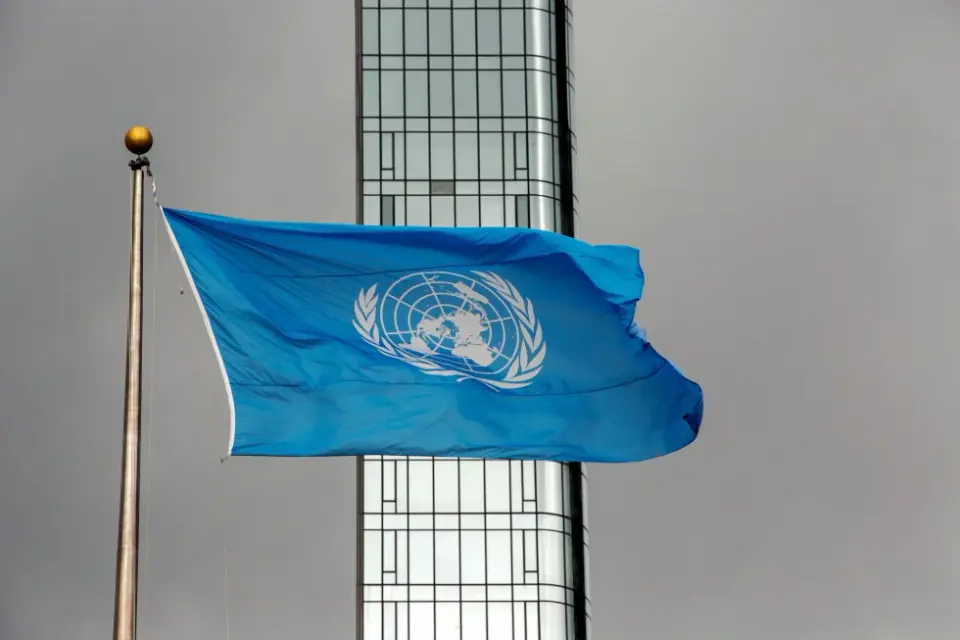
Russia and China vetoed a US-backed UN Security Council resolution to extend the mandate of an expert panel monitoring sanctions on Iran. The move ends the council’s primary mechanism for impartial, evidence-based reporting on sanctions violations, creating a monitoring gap that benefits Tehran. The panel was authorized in 2025 but never appointed due to disagreements among member states. The US and its allies argue the veto stifles oversight of Iran’s nuclear and military programs, while Moscow and Beijing frame the resolution as a politically motivated attempt to escalate tensions. The veto follows the reinstatement of UN sanctions against Iran in September 2025 via the 'snapback' mechanism by France, Germany, and the UK.
Key points
- Russia and China vetoed a US-backed resolution to extend the mandate of a UN expert panel monitoring sanctions on Iran.
- The panel was authorized in 2025 but never appointed due to disagreements among Security Council members.
- The veto ends the council’s primary mechanism for impartial, evidence-based reporting on sanctions violations.
- The US and its allies argue the veto stifles oversight of Iran’s nuclear and military programs.
- Moscow and Beijing frame the resolution as a politically motivated attempt to escalate tensions.
- UN sanctions were officially reimposed against Iran in September 2025 via the 'snapback' mechanism by France, Germany, and the UK.
Background
This veto follows the reinstatement of UN sanctions against Iran in September 2025, when France, Germany, and the UK triggered the 'snapback' mechanism, reinstating six earlier Security Council resolutions sanctioning Iran’s nuclear and military programs. The panel of experts was authorized a year ago but never appointed due to disagreements among member states. The US has been increasing pressure on Iran, including barring Iran’s nuclear chief, Mohammad Eslami, from attending the IAEA annual conference in Vienna after the Security Council rejected a waiver to lift his travel ban. The veto also follows a broader trend of Russia and China blocking UN monitoring mechanisms, including a Russian veto in March 2024 that ended UN monitoring of sanctions against North Korea over its nuclear program.
How outlets are covering it
The US and its allies, including France, Germany, and the UK, argue that the veto stifles oversight of Iran’s nuclear and military programs and creates a monitoring gap that benefits Tehran. Jennifer Locetta, the deputy US Ambassador to the UN, warned that without an independent panel of experts, the council loses its principal source of impartial, evidence-based reporting on sanctions violations. Russia and China, however, frame the resolution as a politically motivated attempt to escalate tensions. Russian UN Ambassador Vassily Nebenzia reiterated Moscow’s claim that the 'snapback' of sanctions against Iran was illegal, and therefore the resolution to extend the mandate of the panel of experts 'was deeply flawed and did not have any legal basis.' Iran’s mission to the UN thanked Russia and China for opposing what it called a 'politically motivated' US draft resolution, adding that they 'prevented yet another cynical attempt by the United States and its allies to abuse the Security Council for their political purposes.'
Why it matters
The veto ends the UN Security Council’s primary mechanism for impartial, evidence-based reporting on sanctions violations against Iran, creating a monitoring gap that benefits Tehran. The move undermines the effectiveness of the 'snapback' sanctions reimposed in September 2025 and signals a broader trend of Russia and China blocking UN monitoring mechanisms. The veto also highlights the deepening rift between the US and its allies on one side, and Russia, China, and Iran on the other, over the future of Iran’s nuclear program and the enforcement of international sanctions.
What to watch
France, the current council president, said it will study how to ensure sanctions are enforced, potentially following the model established after the North Korea panel of experts was abolished, which involved establishing a monitoring team that includes France, Germany, the UK, and the United States. The US and its allies may also seek to increase pressure on Iran through other means, including additional sanctions and diplomatic isolation. Iran, meanwhile, may continue to deny it is seeking nuclear weapons or violating the 2015 nuclear pact, while Russia and China may continue to support Tehran in the UN and other international forums.
- Russia and China veto US proposal for UN experts to keep monitoring sanctions on Iran apnews.com
- Russia, China end mandate for independent monitoring of UN sanctions on Iran Reuters
- Russia and China Veto U.S. Bid to Renew U.N. Monitoring of Iran Nuclear Program The New York Times
- Pakistan abstains in UN vote on Iran sanctions panel Dawn
- Russia, China veto UN mandate to monitor Iran sanctions Al Jazeera
Want the full story? Read the original reporting
Read on apnews.com