
Israel Revokes Aliyah for Two Jewish Activists Over West Bank Protective Presence Work
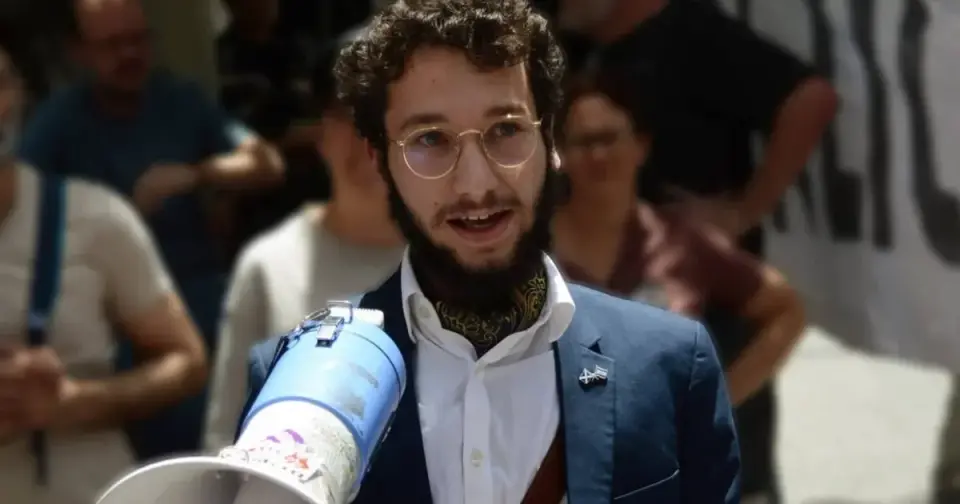
Israeli authorities have revoked the aliyah approvals of two Jewish activists in their 20s, one British and one American, who were engaged in protective presence activities in the West Bank. The Jewish Agency cancelled their permits after their passports were photographed by a soldier or settler. This marks the first known instance where Israeli authorities appear to be violating the Law of Return by blocking immigration based on political activism rather than religious or ethnic criteria.
Key points
- The Jewish Agency revoked aliyah approvals for two unrelated Jewish activists in their 20s, one from Britain and one from the United States.
- Both individuals participated in 'protective presence' efforts in the West Bank, which involve staying in Palestinian communities to deter settler and military violence and document attacks.
- In both cases, the activists' passports were photographed by a soldier or a settler, leading to the revocation of their immigration permits.
- Haaretz reports these are the first known cases where Israeli authorities have blocked aliyah based on political activism, potentially violating the Law of Return.
- The activists do not know each other, suggesting a systematic rather than isolated response to their activities.
Background
This development occurs amid escalating tensions in the West Bank, where settler violence has expanded into Palestinian cities and settlement construction is accelerating, including in the E1 area near Jerusalem. Recent incidents have included clashes between settlers and Palestinians, resulting in fatalities and injuries, as well as increased activity by Israeli groups like Bnei Avraham that aim to protect Palestinian communities from settler violence. The broader context includes ongoing international condemnation of settlement expansion and rising concerns over the fragmentation of the West Bank.
Why it matters
This case highlights a potential shift in Israeli immigration policy, where political activism in the occupied territories may now override the traditional rights granted under the Law of Return. It raises questions about the boundaries of civil liberties for Jewish immigrants and the role of the state in regulating political expression in the West Bank. The revocation of aliyah for these activists could set a precedent for future cases and impact the operations of international and local groups engaged in protective presence and human rights documentation.
What to watch
The two affected activists may seek legal recourse to challenge the revocation of their aliyah approvals, potentially bringing the case before Israeli courts or international bodies. The Jewish Agency and Israeli government may face increased scrutiny over the legality and consistency of their decisions. Other activists involved in protective presence or similar activities in the West Bank may reassess their participation due to the risk of having their immigration rights revoked. The incident could also prompt diplomatic discussions between Israel and the UK and US regarding the treatment of their citizens.
Want the full story? Read the original reporting
Read on Haaretz