
Nova Festival Victim's Partner Dies by Suicide at Her Grave
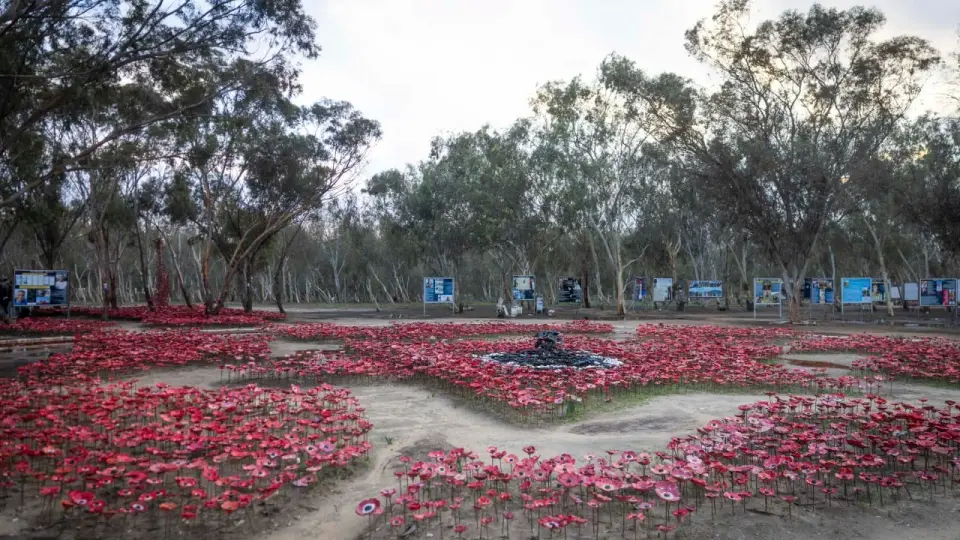
Bar Asraf, 30, died by suicide at the grave of his girlfriend Liron Barda, who was killed at the Nova music festival during the October 7, 2023, Hamas attack. Asraf, a resident of Sha'arei Tikva, had struggled with grief for nearly three years. He was found dead on Saturday after leaving a family wedding, with a gun beside him. Barda, 26, had worked as a bar manager at the festival and refused to flee, instead providing first aid to the wounded until she was murdered. Family members described the couple as 'soulmates since childhood' and noted Asraf’s visible distress in recent weeks. The death highlights the long-term psychological toll on survivors and their families, with officials noting that trauma extends beyond those directly attacked.
Key points
- Bar Asraf, 30, was found dead by suicide at the grave of Liron Barda in Elkana, West Bank, on Saturday evening.
- Liron Barda, 26, was murdered at the Nova music festival in Re'im during the October 7, 2023, Hamas attack.
- Asraf had attended his brother’s wedding just days before his death, where he appeared happy but later left to be alone.
- Family members reported Asraf had a tattoo of Barda and frequently visited her grave to talk to her.
- Barda had refused to flee the festival, choosing instead to administer first aid to the wounded until she was killed.
- Mental health advocates note that partners and family members of victims often suffer severe, long-term trauma.
Background
The Nova music festival massacre on October 7, 2023, resulted in the deaths of 378 people. In the months following the attack, reports indicated that nearly 50 survivors had died by suicide within six months. In October 2025, Roei Shalev, 28, died by suicide after witnessing his girlfriend’s execution during the attacks. The current case underscores the ongoing mental health crisis among those affected by the October 7 events, including partners and family members who were not directly attacked but suffered profound loss.
How outlets are covering it
The Jerusalem Post and WION emphasize the personal tragedy and the couple’s deep bond, quoting family members who described Asraf as a 'good person' who was 'coping well' until a sudden breakdown. Israel Hayom focuses on the family’s shock, noting that Asraf was the 'backbone' of the family and that Barda’s father confirmed their close childhood friendship. The New York Post contextualizes the event within a broader pattern of post-massacre suicides, citing previous cases and highlighting the mental health crisis. All sources agree on the facts of the suicide and Barda’s actions during the attack but differ in emphasis: some focus on the emotional narrative, while others highlight the systemic mental health impact on the community.
Why it matters
This case illustrates the severe, long-term psychological consequences of the October 7 attacks on survivors, their partners, and families. It underscores the need for sustained mental health support for those affected by mass violence, beyond the immediate aftermath. The incident also highlights the vulnerability of individuals who were not directly attacked but suffered the loss of loved ones, a group often overlooked in post-trauma care. As Israel continues to grapple with the aftermath of the war, this tragedy serves as a reminder of the ongoing human cost and the critical need for accessible mental health resources.
What to watch
Mental health organizations, including SafeHeart and ERAN, are expected to continue providing support to families affected by the October 7 attacks. Authorities may review mental health protocols for survivors and their families to prevent future suicides. Public discourse may focus on the long-term psychological impact of the attacks and the need for sustained trauma care. No immediate legal or policy changes are expected, but the case may prompt renewed attention to mental health resources for those affected by mass violence.
- Boyfriend of Nova festival massacre victim found dead The Jerusalem Post
- Nova survivor dies after struggling with murder of close friend on Oct. 7 www.israelhayom.com
- Man kills himself on the grave of his girlfriend murdered by Hamas on Oct 7 WION
- Oct. 7 survivor commits suicide on the grave of his girlfriend who was murdered by Hamas: report New York Post
Want the full story? Read the original reporting
Read on The Jerusalem Post