
Patterson appeal hinges on jury hotel mix-up as prosecutors demand life without parole
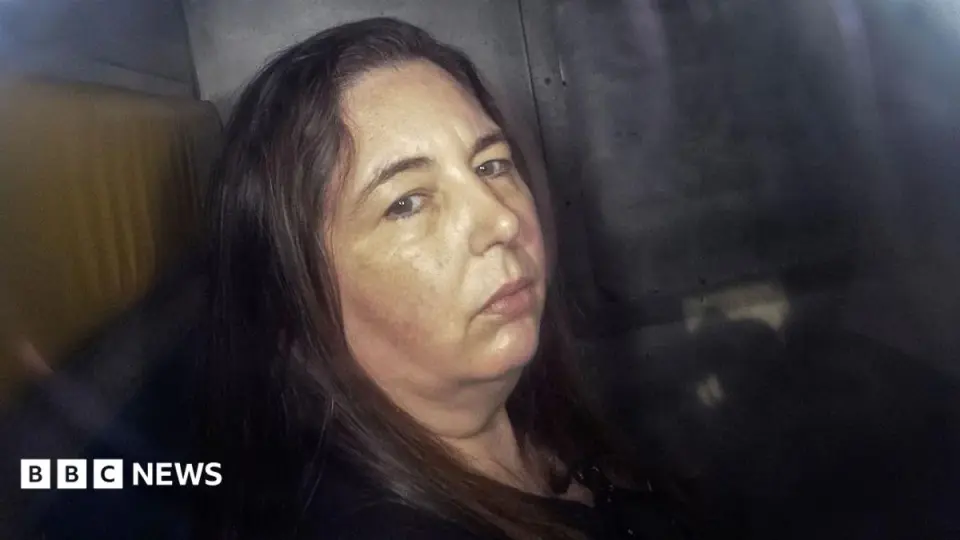
Erin Patterson’s appeal against her triple murder conviction began in Melbourne, with her legal team arguing that a 'fundamental irregularity' occurred when jurors shared a hotel with prosecutors and witnesses. While Patterson’s lawyers claim this compromised the verdict, prosecutors argue there was no actual contact and that her 33-year non-parole period is 'manifestly inadequate.' The hearing, watched by Patterson via video link from prison, involves seven grounds of appeal, including evidence issues and cross-examination tactics, with a decision expected in months.
Key points
- Patterson’s appeal focuses on seven grounds, including a 'fundamental irregularity' where jurors stayed in the same hotel as prosecution staff and a key witness during deliberations, though no direct contact was proven.
- Prosecutors argue the jury accommodation issue had 'no substance' and that Patterson’s 33-year non-parole period is 'manifestly inadequate,' seeking a life sentence without parole.
- Patterson’s legal team also challenges the admissibility of mobile phone tower evidence, mushroom photos, and Facebook messages, claiming they caused 'unfair prejudice' and compromised her right to silence.
- The appeal is being heard by three judges in Melbourne, with Patterson watching via video link from the Dame Phyllis Frost Centre; the trial’s original lawyers were replaced by new counsel for this hearing.
- The hearing is expected to run for two days, with a decision potentially taking months due to the need for a comprehensive judgment.
Background
Patterson was convicted in 2025 of murdering three relatives and attempting to murder a fourth by serving them beef Wellington laced with death cap mushrooms in July 2023. The trial, held in Morwell, drew global attention due to the mystery of her motive and the unusual nature of the crime. She was sentenced to life in prison with a non-parole period of 33 years, allowing parole eligibility in 2056. This appeal is the first major legal challenge to that conviction and sentence.
How outlets are covering it
BBC News and ABC News emphasize the procedural irregularity of the jury’s hotel stay as a central issue, with BBC highlighting the judges’ skepticism about whether mere visibility constituted a 'fundamental irregularity.' The Guardian notes the prosecution’s firm rejection of this claim, stating there was 'no actual contact' and that the system 'worked as intended.' All sources agree on the seven grounds of appeal but differ in emphasis: BBC and ABC focus on the jury issue and Patterson’s absence, while The Guardian details the prosecution’s rebuttal and the technical arguments over phone tower and iNaturalist evidence. ABC provides additional context on the venue change to the Supreme Court and the legal process for 'leave' to appeal.
Why it matters
The appeal could result in a retrial or a harsher sentence, setting a precedent for jury sequestration standards in regional Australian trials. The case also highlights tensions between procedural fairness and public confidence in the justice system, particularly when logistical issues like accommodation shortages intersect with high-profile criminal cases. The outcome will influence how future trials manage jury isolation and evidence admissibility in complex cases.
What to watch
The hearing will continue on August 20, with the prosecution responding to Patterson’s grounds and then addressing the sentence appeal. A decision is expected in months, with the court potentially ordering a retrial, upholding the conviction, or imposing a life sentence without parole. The outcome will depend on whether the judges find the jury hotel issue a 'fundamental irregularity' and whether the evidence challenges succeed.
- Erin Patterson: Australian court to hear mushroom murderer's appeal against murder conviction BBC
- Erin Patterson appeal live: mushroom murderer to challenge convictions over fatal beef wellington lunch The Guardian
- Erin Patterson, Woman Convicted in Australia’s Mushroom Murder Case, Appeals The New York Times
- Erin Patterson, Australia’s ‘Mushroom Murderer,’ Appeals Verdict Bloomberg.com
- Erin Patterson's bid to overturn her murder convictions begins ABC News & Headlines – Australian Broadcasting Corporation
Want the full story? Read the original reporting
Read on BBC