
Tate Lawyers Argue Luxury Imagery Is Marketing, Not Evidence of Wealth or Flight Risk
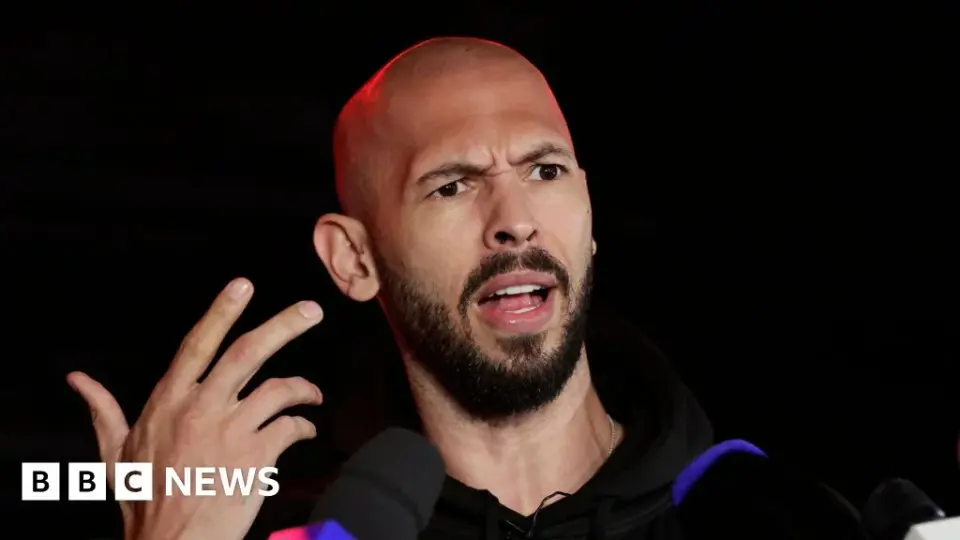
Legal representatives for Andrew and Tristan Tate have submitted court filings arguing that the brothers' displays of luxury assets, including supercars and a superyacht, are exaggerated marketing tactics rather than proof of wealth or a flight risk. The Tates, currently detained in Florida, face 59 charges in the UK, including rape and sex trafficking, and are seeking bail while extradition proceedings continue. Prosecutors maintain the brothers are a flight risk due to their claimed resources and influence, while defense lawyers contend the imagery is hyperbolic content designed to generate online engagement and income.
Key points
- Defense lawyers state that the Tates' business model relies on 'online attention' and that hyperbolic posts are intended to generate views and likes, not to reflect actual asset ownership.
- Specific assets mentioned in court filings, including a $2.1 million Aston Martin, multiple Bugattis, and a superyacht, were rented or promoted for payment, not owned by the brothers.
- British prosecutors argue the Tates are a flight risk, citing their social media claims of unlimited resources, multiple identities, and a propensity to intimidate complainants.
- The brothers face 59 total charges in the UK, including 38 new charges brought by the Crown Prosecution Service, relating to alleged offences between 2010 and 2017.
- Andrew Tate, 39, and Tristan Tate, 38, have denied all wrongdoing and are currently held in a federal detention center in Miami, Florida.
Background
The Tate brothers were arrested in Miami in July 2026 after UK prosecutors unveiled new charges. Previous coverage noted that the White House declined to intervene in the extradition process, despite earlier political connections. The brothers also face civil lawsuits in England and ongoing proceedings in Romania. Their influence persists through decentralized social media networks despite platform bans.
How outlets are covering it
BBC and The Guardian report consistently on the defense strategy, highlighting that the Tates' luxury imagery is a calculated marketing tactic. The Telegraph source was inaccessible due to a security block, so no perspective could be extracted. Prosecutors, as reported by BBC and The Guardian, counter the defense by arguing that the brothers' social media presence demonstrates significant resources and a willingness to evade law enforcement, making them a flight risk. The defense emphasizes that the 'outrageousness' of the posts is the point, designed to generate revenue, while prosecutors view these claims as evidence of the brothers' ability to flee or intimidate.
Why it matters
This legal battle highlights the intersection of social media influence, wealth perception, and international extradition law. The outcome of the bail hearing and extradition proceedings will determine whether the Tates face trial in the UK for serious sexual offences. It also raises questions about how digital personas and marketing strategies are interpreted in legal contexts, particularly regarding flight risk assessments.
What to watch
The next step is the bail hearing in Florida, where the court will decide whether to grant release while extradition proceedings continue. The UK Crown Prosecution Service will likely proceed with the 59 charges if extradition is approved. The civil lawsuits in England may also progress, potentially influencing the criminal proceedings. The Tates' legal team will continue to argue that their social media presence is not evidence of wealth or flight risk.
- Andrew Tate exaggerates and did not own supercars in photos, his lawyers say BBC
- Andrew Tate rented supercars to appear ‘uberwealthy’, says his lawyer The Guardian
- Tate brothers fake their wealth for social media, say lawyers The Telegraph
- Tate brothers hired supercars to appear ‘uber-wealthy’, lawyers say The Times
- Andrew Tate rented supercars to appear 'uberwealthy', lawyers say Sky News
Want the full story? Read the original reporting
Read on BBC