
Bombay High Court Orders Imran Khan to Apologize for Protest Participation, Extends Stay Until December
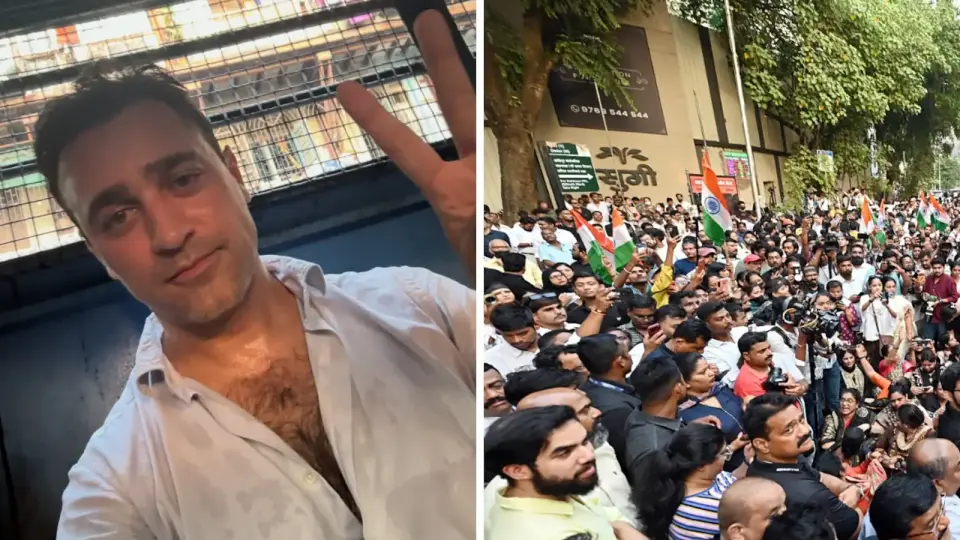
The Bombay High Court has ordered actor Imran Khan to tender an unconditional apology for participating in a political protest in Mumbai, while extending the stay on a 'Leave India' notice until December 7. The court emphasized that Overseas Citizen of India (OCI) cardholders do not possess the fundamental right to protest in India, distinguishing their status from that of Indian citizens. Khan, a US citizen who has lived in India for decades, admitted no association with the protest organizers but faced severe criticism from the bench. The court urged the government to show magnanimity, noting Khan's long residence and contributions, while warning that OCI holders are at the mercy of the sovereign state.
Key points
- The Bombay High Court extended the interim stay on the FRRO's 'Leave India' notice to Imran Khan until December 7.
- The court directed Khan to file an unconditional apology, stating that a mere affidavit or undertaking was insufficient.
- The bench ruled that OCI cardholders do not have the fundamental right to protest in India, unlike Indian citizens.
- The court suggested Khan consider applying for Indian citizenship if he wished to participate in political demonstrations.
- The FRRO had issued the notice under the Immigration and Foreigners Act, citing Khan's US citizenship and lack of protest rights.
Background
This legal dispute follows Khan's detention on October 10, 2026, during a protest at August Kranti Maidan in Mumbai. The demonstration, organized by the Cockroach Janata Party, demanded the resignation of Chief Election Commissioner Gyanesh Kumar over alleged irregularities in the Special Intensive Revision (SIR) of voter rolls. The FRRO subsequently issued a notice requiring Khan to leave India by October 28, which he challenged in court. This incident highlights the ongoing debate regarding the rights and limitations of OCI cardholders in India, particularly concerning political participation and residency.
How outlets are covering it
The Bombay High Court, led by Chief Justice Mahesh Chandra Tripathi and Justice Advait Sethna, took a firm stance against Khan's participation, emphasizing that OCI cardholders are not Indian citizens and thus lack the right to protest. The court acknowledged the government's unfettered power to expel foreigners but urged magnanimity, citing the principle of Vasudhaiva Kutumbakam (world is one) and Khan's long residence in India. In contrast, the FRRO, represented by Additional Solicitor General Anil Singh, argued that the government has absolute discretion to remove foreign nationals, regardless of their OCI status or long-term presence. Khan's legal team, led by senior counsel VR Dhond, argued that Khan had no association with the protest organizers and was merely curious, while also highlighting his deep roots in India, including his family, career, and tax contributions. The court ultimately balanced these views, granting interim relief but demanding a formal apology and undertaking from Khan.
Why it matters
This case underscores the legal and political boundaries for OCI cardholders in India, particularly regarding political participation. It raises questions about the rights of foreign nationals who have lived in India for decades and the extent of their integration into Indian society. The court's decision to extend the stay and demand an apology reflects a nuanced approach, balancing sovereign power with humanitarian considerations. The outcome may set a precedent for future cases involving OCI cardholders and their rights in India, potentially influencing policy discussions on residency and political engagement.
What to watch
The next hearing is scheduled for December 7, 2026, where the court will review the FRRO's and Maharashtra government's affidavits. Khan's legal team will likely argue for the revocation of the 'Leave India' notice based on his apology and undertaking. The government may decide whether to show magnanimity or proceed with deportation, depending on the court's final ruling. The case may also prompt broader discussions on the rights of OCI cardholders and the need for clearer legal frameworks governing their participation in Indian political and social life.
- "Give Unconditional Apology, Undertaking Not Enough": High Court To Imran Khan NDTV
- 'Why not accept Indian citizenship?': Bombay high court questions Imran Khan over SIR protest as actor's OCI status takes centre stage The Times of India
- Court extends actor Imran Khan's stay in India after he apologises for protesting, LiveLaw reports Reuters
- Imran Khan Apologises After HC Says OCI Holders Can't Protest Rediff
- Bombay HC extends stay on actor Imran Khan’s ‘Leave India Notice’, seeks unconditional apology over SIR protest The Hindu
Want the full story? Read the original reporting
Read on NDTV