
Iran Warns of Escalated Retaliation as US Midterm Looms
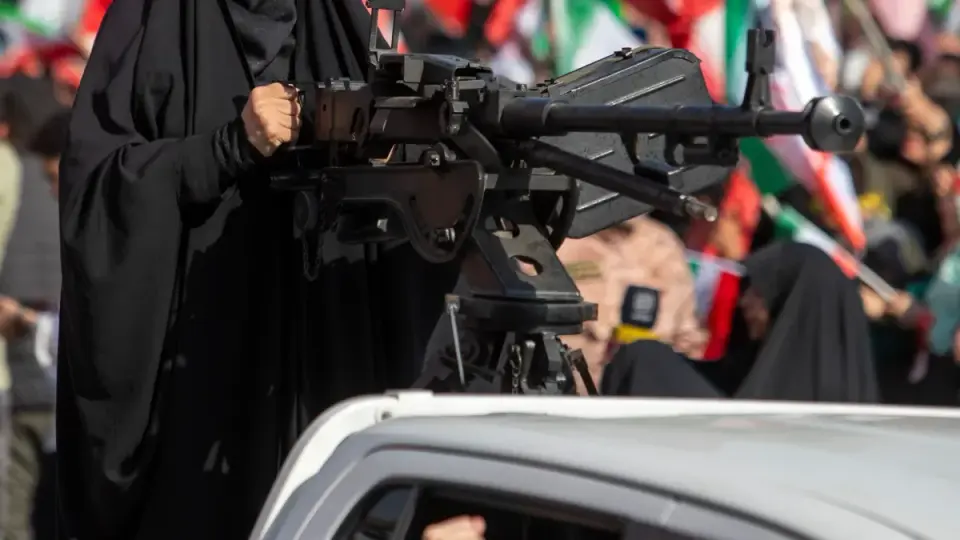
Iranian military officials assert that a renewed conflict with the United States and Israel would be longer and more costly than previous engagements, citing expanded missile ranges, improved drone capabilities, and new asymmetric tactics. While Tehran claims its armed forces are in better operational shape despite earlier strikes, the country faces significant vulnerabilities, including a lack of civilian shelters and ongoing economic strain from a US naval blockade. Diplomatic efforts by regional mediators continue, but Trump has warned that the conflict will end 'one way or the other' ahead of the US midterm elections.
Key points
- Iran’s armed forces claim to have expanded their target database and improved missile accuracy and drone capabilities since the June ceasefire.
- Military commanders met with Supreme Leader Mojtaba Khamenei to plan an immediate response that could extend beyond West Asia if attacked again.
- The IRGC describes itself as '100 percent ready' for another conflict, aiming for 'maximum deterrence' through asymmetric warfare tactics.
- Iranian officials highlight successes in targeting US F-35 aircraft and supertankers in the Strait of Hormuz as evidence of improved capabilities.
- Despite military claims, Iran lacks civilian shelters and early warning systems, leaving its population exposed to potential strikes on infrastructure.
- President Trump stated the war with Iran will end soon, warning Tehran to agree to a deal or face consequences.
Background
This tension follows a series of escalations in late 2026, including Israeli Prime Minister Netanyahu’s claims of Iranian regime weakness and fresh incidents in the Strait of Hormuz. Regional mediators from Saudi Arabia, Turkey, and Pakistan recently visited Tehran to urge de-escalation, though analysts remain skeptical of their leverage. The current standoff occurs amid ongoing economic strain from a US oil blockade and domestic security concerns following the assassination of senior Iranian figures in earlier conflicts.
Why it matters
The potential for renewed conflict threatens to destabilize the Middle East, disrupt global energy supplies through the Strait of Hormuz, and impact US domestic politics ahead of the midterm elections. Iran’s claims of enhanced military readiness contrast with its civilian vulnerabilities, creating a high-risk environment where diplomatic efforts may fail to prevent further escalation.
What to watch
Watch for diplomatic breakthroughs from Qatari and regional mediators in Tehran, any US naval actions in the Strait of Hormuz, and official statements from Iranian leadership regarding the ceasefire. Monitor US midterm election rhetoric for shifts in policy toward Iran and any signs of military mobilization by either side.
Want the full story? Read the original reporting
Read on Al Jazeera