
High Court weighs suicide risk against press freedom in anonymous sexual offence case
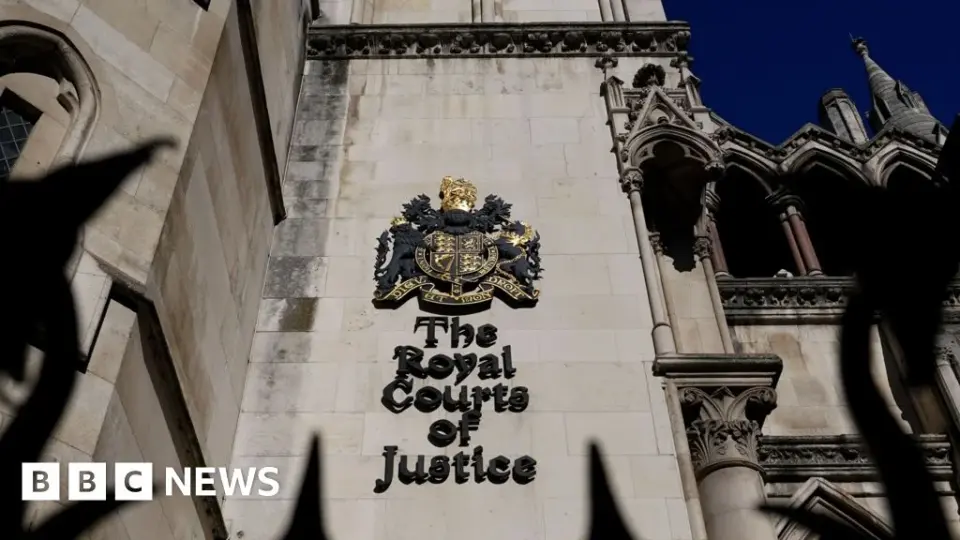
A prominent individual has petitioned London's High Court to block Independent Television News and Guardian News & Media from publishing serious sexual offence allegations against him. The defendant, who is granted anonymity in these proceedings, denies the claims and submitted medical evidence stating that public exposure would almost certainly lead to him attempting suicide, noting that the prospect of publication has already triggered two such attempts. The media outlets, which investigated his conduct over several years, argue that restraining publication is inappropriate because existing legal frameworks adequately protect individuals at risk of suicide through NHS mental health professionals. The court has also granted anonymity to two other individuals who agreed to be identified in the eventual report, as well as a third source who alleges she was a victim of a sexual offence by the defendant. A trial to determine whether the publication ban will be permanent is scheduled for later this month.
Key points
- The defendant, described as 'well-known', denies the serious allegations, including sexual offences, made by ITN and Guardian News & Media.
- Medical evidence submitted to the court claims that publishing the allegations would almost certainly lead to the defendant attempting suicide, with two attempts already linked to the prospect of publication.
- ITN and Guardian News & Media argue that restraining publication is wrong, citing established legal schemes that protect at-risk individuals via NHS mental health professionals.
- The High Court granted anonymity to two other individuals who had agreed to be named in the report, as well as a third source who alleges she was a victim of a sexual offence by the defendant.
- A trial to decide whether the publication ban will be permanent is scheduled for later in October 2026.
Background
This case occurs amidst heightened scrutiny of media practices and legal protections for individuals facing serious allegations. Recent high-profile cases, such as the charges against actor Noel Clarke for sexual offences between 2007 and 2016, have drawn attention to the intersection of public figures, criminal proceedings, and press freedom. The current dispute highlights ongoing tensions between the right to privacy and mental health protection versus the public's right to know and the press's role in investigating misconduct.
Why it matters
The outcome of this case will set a significant precedent for how courts balance the right to privacy and mental health protection against the public interest and press freedom in cases involving serious allegations against public figures. It may influence future media investigations and legal standards for granting anonymity in high-profile sexual offence cases.
What to watch
The High Court will hold a trial later this month to determine whether ITN and Guardian News & Media will be permanently prevented from naming the defendant and publishing the allegations. The decision will hinge on the balance between the defendant's medical evidence and the media's argument for established legal protections.
Want the full story? Read the original reporting
Read on BBC