
75,000-Year-Old Neanderthal Remains Reveal Earliest Known Wooden Spear Homicide
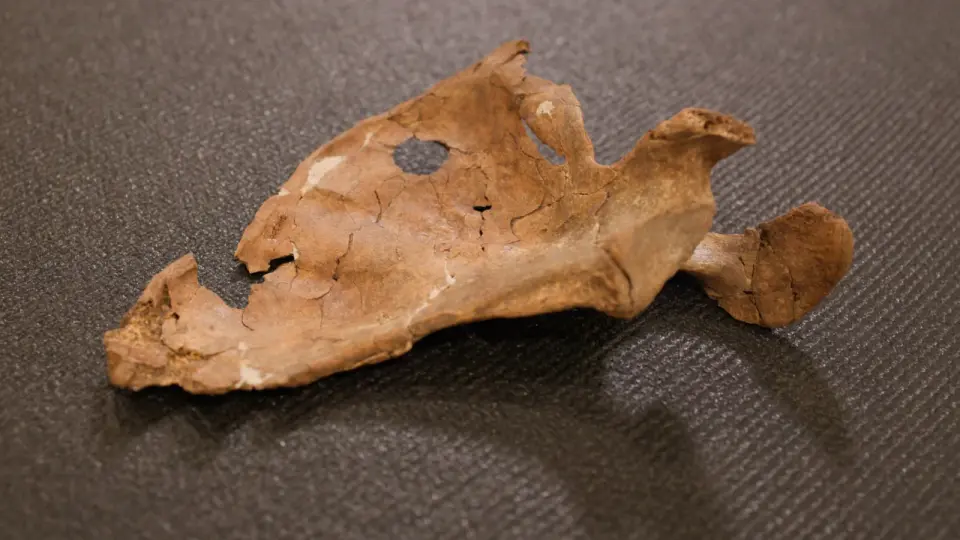
A 15-millimeter hole in the shoulder blade of a 75,000-year-old Neanderthal, identified as Shanidar A, suggests the earliest known lethal attack with a wooden spear. Found in Shanidar Cave, Iraqi Kurdistan, the remains also show evidence of long-term care for a facial injury, highlighting complex social behaviors.
Key points
- Shanidar A, an adult Neanderthal estimated to be 45 years old, died approximately 75,000 years ago from a wound likely caused by a sharpened wooden spear.
- The fatal injury left a 15-millimeter circular hole in the left shoulder blade, suggesting the weapon penetrated the chest, potentially damaging the heart or major blood vessels.
- The individual also suffered a split tooth, indicating a prior facial injury that required long-term care and support from other Neanderthals.
- The remains were excavated from Shanidar Cave in Iraqi Kurdistan, a site known for deliberate burial practices and evidence of Neanderthal social complexity.
- Researchers debate whether the spear wound was a hunting accident or intentional violence, with some experts leaning toward deliberate homicide.
Background
Shanidar Cave in Iraqi Kurdistan has been a significant archaeological site since the 1950s, yielding numerous Neanderthal remains that have reshaped understanding of their behaviors. Previous discoveries, including the controversial 'flower burial' theory, have sparked debates about Neanderthal intelligence and cultural practices. Recent excavations in 2019 and 2022 uncovered the remains of Shanidar A, adding to the evidence of complex social structures and potential violence among Neanderthals.
How outlets are covering it
ScienceAlert and CNN emphasize the likelihood of intentional violence, citing the position and force of the wound as indicative of a 'kill shot.' BBC highlights the debate, noting that while the wound could be a hunting accident, experts like Prof Chris Stringer favor the hypothesis of interpersonal violence. Archaeology Magazine focuses on the broader implications for understanding Neanderthal social complexity, noting the contrast between violence and care. All sources agree on the significance of the finding for understanding ancient human behavior, but differ in their confidence regarding the cause of death.
Why it matters
This discovery provides the earliest evidence of lethal violence involving a wooden spear, pushing back the timeline of interpersonal conflict in human prehistory. It also underscores the complexity of Neanderthal societies, showing they engaged in both violent acts and long-term care for injured individuals, challenging simplistic views of their behavior.
What to watch
Researchers plan to conduct further experiments to determine the force required to inflict the wound, which may help clarify whether the injury was accidental or intentional. Additional studies on Shanidar Cave remains may reveal more about Neanderthal social structures and burial practices.
- Oldest Known Spear Attack May Be Found in 75,000-Year-Old Neanderthal Remains ScienceAlert
- A murder mystery reveals realities of Neanderthal life and death CNN
- Bones from Iraqi cave hint at violence and compassion in Neanderthals Reuters
- News - Possible Fatal Wound Identified in Neanderthal Bone Archaeology Magazine
- Hole in Neanderthal shoulder bone linked to ancient wooden spear BBC
Want the full story? Read the original reporting
Read on ScienceAlert