
Victorian Supreme Court rejects prisoner’s claim that Vegemite ban violates cultural rights
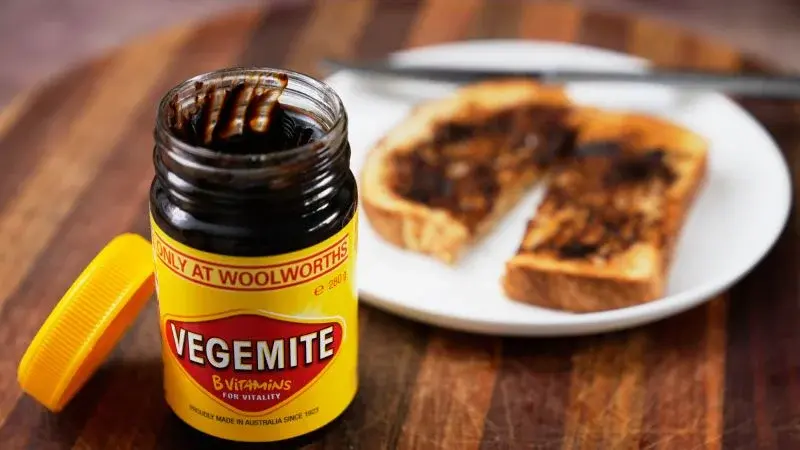
Andre McKechnie, a life-sentence prisoner in Victoria, lost his Supreme Court bid to overturn a ban on Vegemite in prisons. Judge Claire Harris ruled that while the ban limits cultural rights, it is justified by security concerns regarding drug detection and alcohol brewing. McKechnie argued the spread is central to Australian identity, but the court prioritized prison safety over cultural access.
Key points
- Judge Claire Harris ruled that the Vegemite ban in Victorian prisons is a proportionate measure to maintain security and order.
- Prison authorities cited evidence that Vegemite’s smell interferes with sniffer dogs and its yeast content aids in brewing alcohol.
- McKechnie argued the ban violated his right to enjoy his culture under the Charter of Human Rights and Responsibilities Act.
- The ban has been in place in Victoria since 2006, while neighboring New South Wales allows the spread in its prisons.
- McKechnie initially claimed the ban caused thiamine deficiency but dropped this argument after objections from prison lawyers.
Background
Vegemite, a yeast-based spread developed in Melbourne in 1923, is a polarizing but iconic part of Australian culture, present in over 80% of households. While not a new development, the spread’s status as a cultural symbol has previously led to international disputes, such as the 2008 Olympic import ban and a 2025 conflict with Canadian health regulations. This case follows earlier coverage of prison conditions, such as the Texas air conditioning mandate, highlighting ongoing legal battles over inmate rights and facility standards.
How outlets are covering it
CNN and NPR provided nearly identical coverage, focusing on the judge’s 47-page judgment and McKechnie’s self-representation via video link. The Guardian emphasized the legal reasoning, noting that while the court acknowledged Vegemite’s cultural significance, it deemed the ban reasonable for prison security. BBC highlighted the broader context, noting that the ban exists in Queensland, South Australia, and Tasmania, but not in New South Wales. All outlets agreed that the judge rejected McKechnie’s claim that the ban caused his sadness or disconnection from family, attributing those feelings to his imprisonment rather than the lack of the spread.
Why it matters
The ruling clarifies the limits of cultural rights in Australian prisons, establishing that security measures can override access to culturally significant items. It also highlights the ongoing debate over the balance between inmate welfare and prison safety, a theme seen in other recent legal cases regarding prison conditions and rights.
What to watch
McKechnie may appeal the decision, though no immediate plans have been announced. The ruling sets a precedent for future challenges to prison food policies in Victoria. Bega Group, the owner of Vegemite, has not commented on the case, and the ban remains in effect across all 12 Victorian prisons.
- Murderer’s bid to eat Vegemite in Australian prison rejected by judge CNN
- Australian murderer loses bid to eat Vegemite in prison BBC
- Australian judge rejects prisoner's human rights challenge to Vegemite ban NPR
- There’s no human right to Vegemite, court tells Australian prisoner who wanted ban overturned The Guardian
- Convicted killer fails in bid to overturn Vegemite ban ABC News & Headlines – Australian Broadcasting Corporation
Want the full story? Read the original reporting
Read on CNN