
Ryen Russillo's Grim Raising Cane's Promo Sparks Mockery for Its Desperate Aesthetic
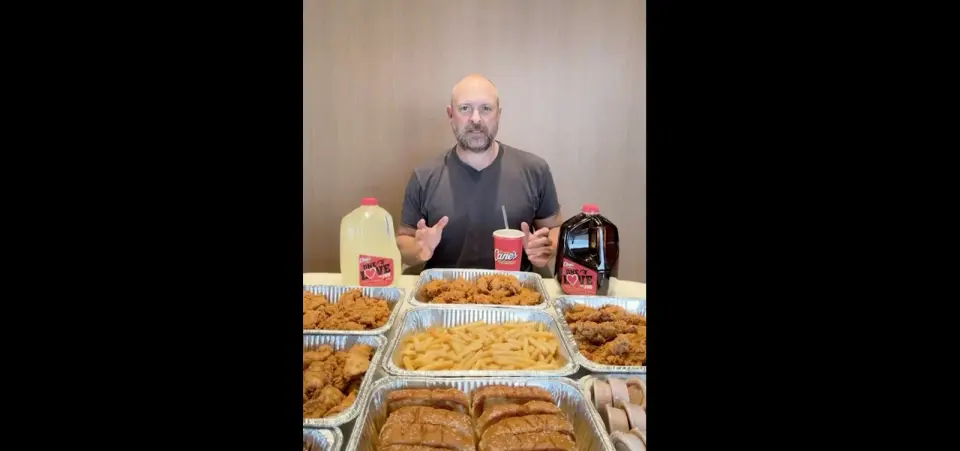
Barstool Sports podcaster Ryen Russillo released a promotional video for Raising Cane's that critics describe as resembling a hostage video or survival plea. The clip features grim lighting, abrupt cuts, and a distressed demeanor, leading to widespread mockery of the brand's marketing strategy and Russillo's willingness to accept such terms.
Key points
- Ryen Russillo, a podcaster for Barstool Sports, posted a video promoting Raising Cane's chicken. The footage was filmed in a library study room with poor lighting and a distressed tone.
- The video includes abrupt cuts to first-person footage of food, which critics interpreted as a desperate attempt to sell the product. The aesthetic was compared to a hostage video or a final message from a stranded cosmonaut.
- Critics argued that the brand exploited Russillo's lack of self-respect, pushing the promotion to an extreme level. The video was seen as an example of how far brands can go when working with influencers who will accept any deal.
- The promo was timed for the return of football, targeting college students looking for tailgate food. Critics noted that the video's grim tone was at odds with the casual nature of tailgating.
Background
This incident follows a trend of influencers accepting highly unusual or degrading promotional deals to secure brand partnerships. It highlights the growing tension between authentic content and paid advertising in the podcasting and social media space.
Why it matters
The video serves as a case study in the ethics of influencer marketing, illustrating how brands can leverage an influencer's desperation to create content that is both effective and deeply unappealing. It raises questions about the boundaries of paid promotion and the impact on audience trust.
What to watch
The video is likely to generate further discussion about the ethics of influencer marketing and the role of brands in shaping content. It may also lead to a broader conversation about the quality of promotional content on social media platforms.
Want the full story? Read the original reporting
Read on Defector