
Yale Study Accuses New York Times of Systemic Bias in Gaza War Coverage
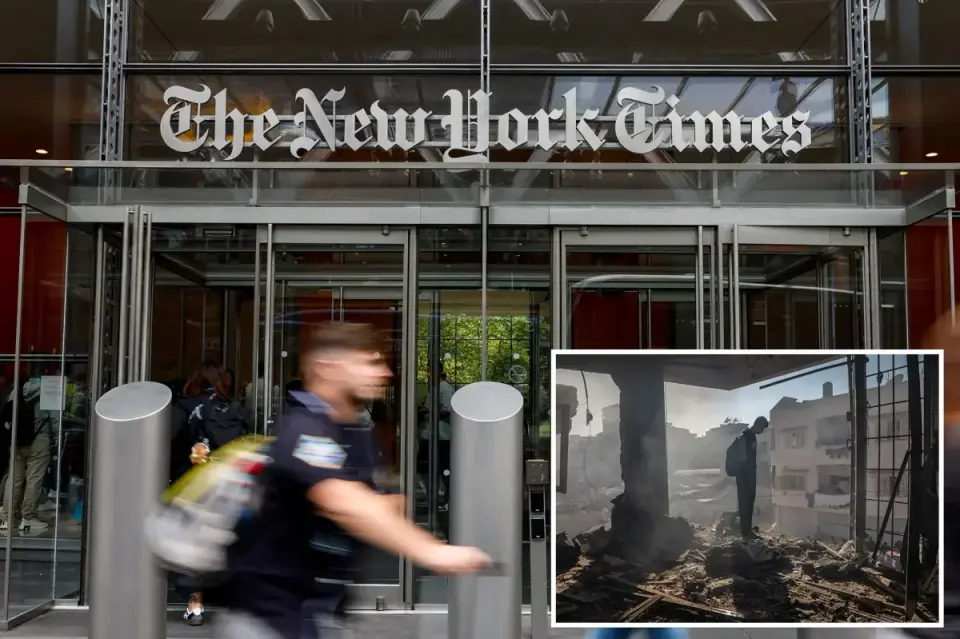
A new academic study published in the journal Studies in Conflict & Terrorism concludes that The New York Times exhibited clear bias against Israel during the first nine months of the Gaza war. The research, conducted by Edieal Pinker of the Yale School of Management, analyzed 1,559 articles published between October 7, 2023, and June 7, 2024. Pinker found that the outlet consistently downplayed Israeli casualties and minimized Hamas's role in sustaining the conflict, instead framing Israel as the sole aggressor and Palestinians as passive victims. The New York Times rejected these findings, stating it has covered the war with greater rigor than most US news organizations and refuses to alter its coverage to satisfy entrenched perspectives.
Key points
- Edieal Pinker of the Yale School of Management published a study in the academic journal Studies in Conflict & Terrorism analyzing 1,559 New York Times articles from October 7, 2023, to June 7, 2024.
- The study found that the Times frequently omitted reports of Israeli military and civilian casualties while minimizing Hamas's role in sustaining the conflict after the October 7 attack.
- Pinker noted that personal accounts of Palestinian suffering appeared in two out of every three days of coverage, while comparable accounts of Israeli suffering rarely appeared.
- The research concluded that the Times' narrative assigned near-exclusive agency and responsibility to Israel, portraying it as the sole aggressor while depicting Palestinians as passive victims.
- The New York Times rejected the characterization of its reporting, stating it has covered the war with more rigor than virtually any other US news organization and will not change its coverage to buttress entrenched perspectives.
Background
This study emerges amid ongoing international debates regarding the conduct of the Israel-Hamas war, which began after Hamas's October 7, 2023, attack that killed over 1,200 people and kidnapped 251. Recent developments include a Hollywood open letter rejecting genocide accusations against Israel, a documentary alleging hidden Israeli military targeting systems, and UN warnings that rubble clearance in Gaza may erase war crimes evidence. Additionally, Israeli Prime Minister Netanyahu has been navigating domestic and international pressures regarding US-backed peace plans ahead of upcoming elections.
Why it matters
The study highlights ongoing tensions between major US media outlets and pro-Israel advocacy groups regarding the framing of the Israel-Hamas conflict. It underscores the broader debate about media objectivity in covering complex geopolitical wars, where differing narratives can significantly influence public opinion and international policy. The findings may fuel further criticism of Western media's coverage of the conflict, while the New York Times' defense reinforces its stance on maintaining editorial independence despite external pressure.
What to watch
The New York Times has not responded to recent requests for comment regarding the study's findings. The academic paper may spark further debate among media scholars and journalists about the standards of objectivity in covering the Israel-Hamas war. The ongoing conflict in Gaza, with over 73,000 deaths reported by the Hamas-run Ministry of Health, continues to draw international scrutiny, and the study may be cited in broader discussions about media influence on public perception of the war.
Want the full story? Read the original reporting
Read on nypost.com