
BBC News Launches 24/7 Live YouTube Channel in UK and US
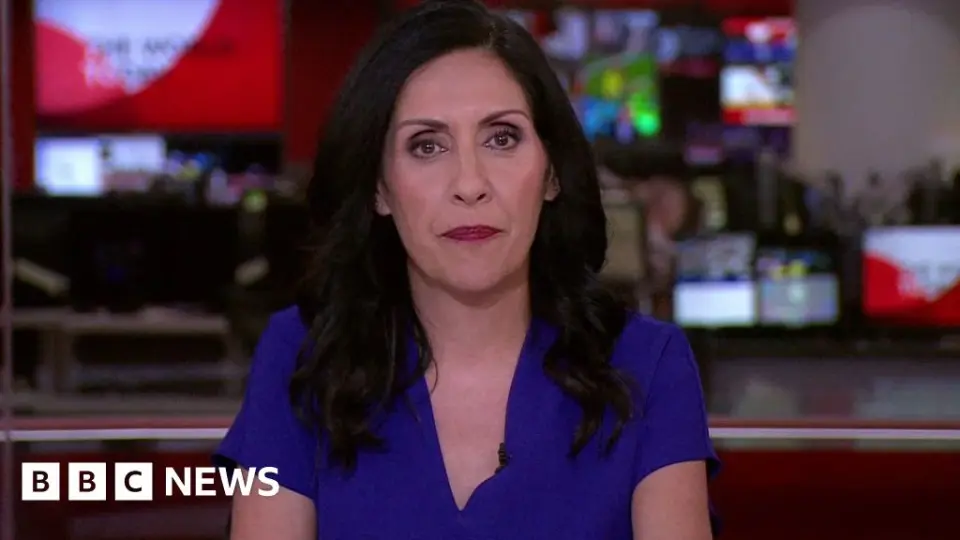
The BBC has launched its 24/7 live news channel on YouTube for viewers in the UK and US, starting October 15, 2026. This move expands access to BBC News beyond traditional TV and iPlayer, targeting younger, digitally native audiences. The channel joins existing live streams in Australia, Kenya, Nigeria, and Poland. BBC officials frame the launch as a step to combat disinformation and reach audiences where they are, while also signaling the corporation's adaptability during ongoing charter and funding negotiations.
Key points
- The BBC News channel began live streaming on YouTube in the UK and US on October 15, 2026.
- The channel offers 24/7 coverage of breaking news, politics, business, technology, culture, and sport.
- This launch follows earlier live YouTube launches in Australia, Kenya, Nigeria, and Poland.
- BBC News Director Anjali Kapoor stated the move aims to bring trusted journalism to platforms audiences use daily.
- YouTube UK Managing Director Alison Lomax called it a milestone for digital-first viewers.
- The BBC faces challenges enforcing TV licence requirements for YouTube viewers, as there are no current guardrails to verify payment.
Background
The BBC has been actively expanding its digital presence in response to audience fragmentation. In 2023, the BBC News Channel merged with BBC World News. In 2023, Ofcom reported YouTube as the UK's second most-watched media service, behind only the BBC, with one in five young viewers using smart TVs to access YouTube first. Earlier in 2026, the BBC announced a landmark deal with YouTube to produce tailor-made content, some of which will feature ads outside the UK to generate revenue. BBC Director General Matt Brittin, a former Google executive, has called the traditional TV licence model 'yesterday's model' and 'no longer fit for purpose,' though he has not specified a replacement. The corporation is currently in negotiations with the government over its charter and future funding after 2027, with the BBC receiving most of its funding from the £180-a-year TV licence, a system whose paying household base has declined in recent years.
How outlets are covering it
BBC News and YouTube both emphasize the launch as a strategic move to reach younger, digitally native audiences and combat disinformation by placing trusted journalism on a platform they already use daily. BBC News Director Anjali Kapoor and YouTube UK Managing Director Alison Lomax highlight the importance of meeting audiences where they are. However, the BBC's own reporting notes a tension: while the move aims to expand access, it also creates a challenge for enforcing the TV licence requirement, as there are currently no guardrails to verify if a YouTube viewer has paid the fee. This contrasts with the BBC's traditional model, where access is tied to licence payment. The move is also seen as a signal to the UK government during charter negotiations, demonstrating the BBC's commitment to its mission and adaptability, even as its Director General has criticized the current funding model.
Why it matters
The launch marks a significant shift for a major public broadcaster, moving its core news service onto a commercial, ad-supported platform owned by Google. It reflects the broader media industry's struggle to adapt to audience fragmentation and the rise of streaming. For the BBC, it is a test of how to maintain its public service mission and funding model in a digital-first world, potentially influencing future negotiations over the TV licence and charter. For audiences, it means easier access to BBC News, but also raises questions about the enforceability of the licence system and the commercialization of public service content.
What to watch
The BBC will monitor the trial's performance in the UK and US, likely assessing audience reach, engagement, and any impact on its traditional platforms. The corporation will continue negotiations with the UK government over its charter and funding model post-2027, with this launch potentially serving as evidence of its digital adaptability. The BBC may also explore further integration with YouTube, including the production of tailor-made content as per its earlier deal. The enforceability of the TV licence for YouTube viewers remains an unresolved issue, and the BBC may need to develop new verification methods or advocate for policy changes.
- BBC News channel launches on YouTube for viewers in UK and US BBC
- BBC News channel to launch on YouTube in the UK and USA BBC
- BBC News Channel Launches Live on YouTube in the UK and U.S. YouTube Official Blog
- The BBC News Channel Is Now Streaming Live on YouTube in the US — Free, 24 Hours a Day Anglotopia
- BBC News Goes Live On YouTube In U.S. And U.K. Yahoo! Finance Canada
Want the full story? Read the original reporting
Read on BBC